Vietnam Tours for United Kingdom Travelers
Vietnamese Lacquerware: How it is Made
Vietnamese Lacquerware: How it is Made
Discover the Art of Vietnamese Lacquerware
From the bustling streets of Hanoi to the tranquil workshops of Hoi An, Vietnamese lacquerware represents a unique blend of art and tradition. You might be wondering how to ensure you’re getting the real deal when you buy this treasured craft. The answer lies in understanding its story—a story of patience, natural materials, and generations of skill passed down through families.
Table of Contents
Imagine stepping into a sunlit workshop where the air smells faintly of resin and wood. Artisans sit cross-legged, their hands moving with deliberate grace as they apply thin layers of lacquer to bowls, vases, and panels. Each piece glows with depth, the colours shifting as the light changes—a testament to the dozens of coats that have been polished to perfection. This is not mass production; it is quiet dedication.
Vietnamese lacquerware is deeply rooted in the country’s cultural heritage, and the people who create it take pride in every stage. Whether you’re strolling through Hanoi’s Old Quarter or visiting a rural craft village, the authenticity of these items speaks for itself. At vietnamtour.travel, we connect you with trusted artisans and guided experiences that reveal the true value of this art form.
Have questions about finding genuine lacquerware? Send us a message on WhatsApp at wa.me/84965251618 or wa.me/84989248646, and we’ll help you plan the perfect shopping journey.
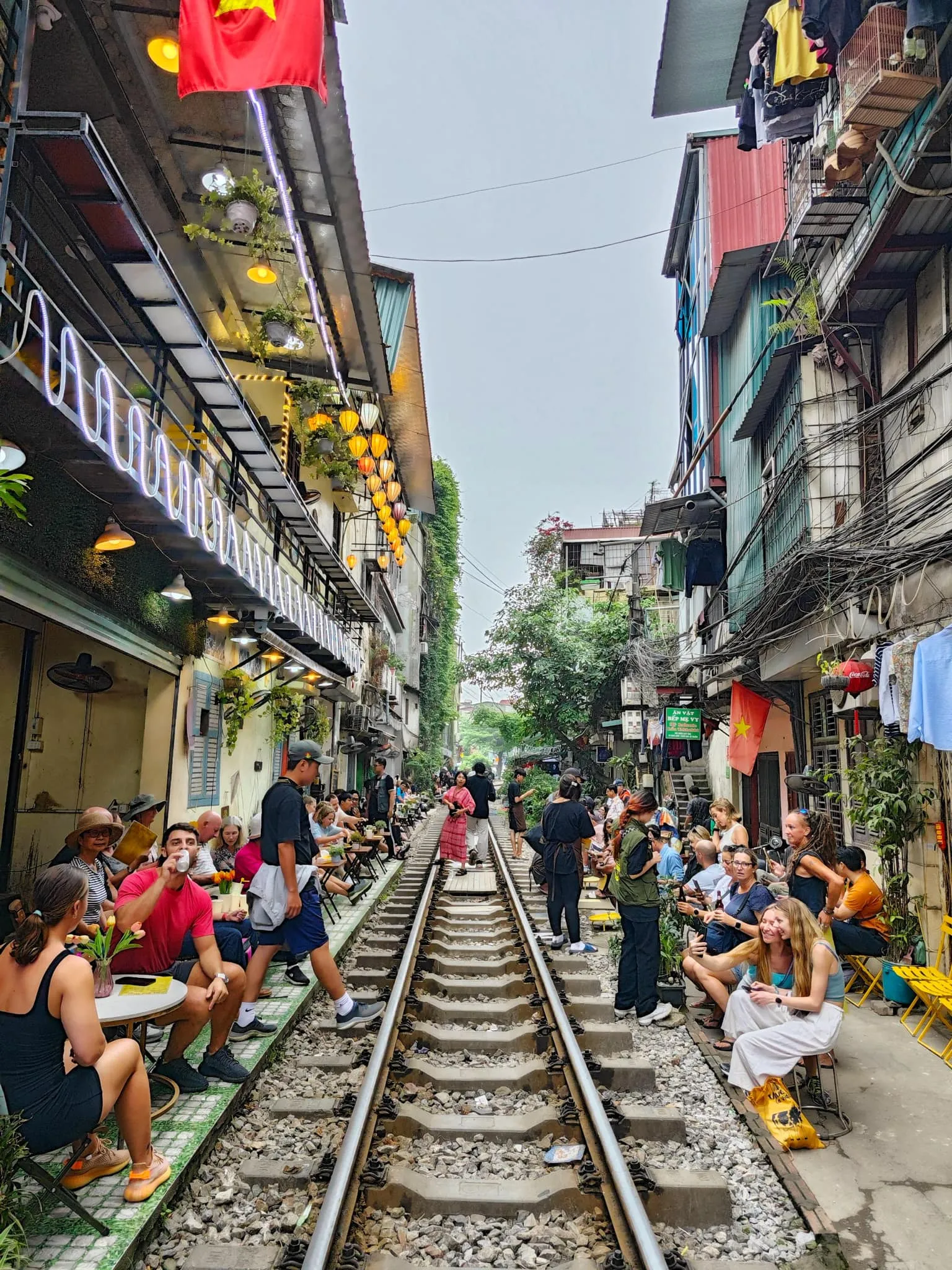
The Crafting Process of Vietnamese Lacquerware
Understanding the Materials
At the heart of every authentic piece of Vietnamese lacquerware lies a careful selection of natural materials. The base is often carved from soft wood, bamboo, or even rattan, chosen for its ability to absorb the many layers of resin. The resin itself comes from the sap of the Rhus succedanea tree, a sticky substance that hardens into a durable, glossy finish when exposed to air and moisture.
Artisans then mix pigments with the resin to create rich colours—deep vermilion, lustrous black, and shimmering gold are favourites. Each layer must be allowed to dry completely before the next is applied, a process that can take days or even weeks depending on humidity. The result is a surface that feels almost glass-like, smooth to the touch and resistant to heat and water.
Traditional tools like fine brushes and polishing stones are still used today, giving each piece a human touch that machines cannot replicate. When you hold a bowl or a panel, you feel the weight of the craftsmanship—proof that Vietnamese lacquerware is far more than a souvenir; it is a piece of living heritage.
A Journey Through the Crafting Stages
Creating a single item of Vietnamese lacquerware involves up to a dozen distinct stages, each demanding patience and precision. First, the wooden core is sanded and sealed to prevent the resin from soaking unevenly. Then comes the application of the first coat—a thin, even layer of resin mixed with clay or ash to create a smooth base.
Once dry, the piece is sanded again, and the process repeats. After several coats, artisans begin adding decorative elements: mother-of-pearl inlays, gold leaf, or hand-painted motifs like lotus flowers and dragons. These details are not applied carelessly—they are guided by centuries-old patterns that carry symbolic meaning in Vietnamese culture.
Finally, the piece is polished with fine-grained stone until it gleams. The entire journey can take weeks for a small bowl, and months for a large panel. This time investment explains why genuine Vietnamese lacquerware carries a higher price tag—but also why it becomes a cherished heirloom, not a disposable trinket.
Ready to witness this artistry firsthand? Join one of our private artisan tours—contact us via email at [email protected] or [email protected] to arrange a visit to a workshop in Hoi An or Hanoi.

Getting the Best Value from Your Vietnamese Lacquerware Purchase
Recognising Fair Pricing and Genuine Quality
When you shop for Vietnamese lacquerware, understanding what constitutes fair pricing helps you avoid overpaying while respecting the artisan’s labour. Authentic pieces require weeks of work, so prices reflect that dedication—a small bowl might cost £30–£80, while a large panel can reach several hundred pounds. Compare this to the price of a handcrafted ceramic in the UK, and you will see the value in the intricate layers and natural materials used.
To ensure you are getting genuine Vietnamese lacquerware, look for the telltale signs: a flawless, mirror-like finish, no visible brush strokes, and a smooth underside. Reputable sellers in Hanoi’s Old Quarter or Hoi An’s workshops will gladly explain the crafting stages and show you the mother-of-pearl inlays. Avoid street vendors who offer heavily discounted items, as these are often mass-produced and lack the heritage you seek.
Negotiate politely—a friendly smile and respectful tone go a long way. Focus on the artistry rather than haggling aggressively, and you will build a connection with the seller. This approach not only secures a fair price but also enriches your understanding of the culture behind Vietnamese lacquerware.
Packing Your Lacquerware for a Safe Journey Home
After investing in beautiful Vietnamese lacquerware, the last thing you want is damage during your flight. Because these items are sturdy yet delicate, proper packing is essential. Wrap each piece in soft cloth or bubble wrap, then place it in a box with crushed paper or foam peanuts to absorb shocks. If you are carrying multiple items, separate them with layers of padding.
Consider carrying smaller pieces in your hand luggage, where you can control their safety. For larger panels or vases, ask the shop to pack them in a wooden crate—many reputable dealers in Hanoi offer this service free of charge. Always declare the value at customs and keep the receipt as proof of purchase.
With careful packing, your Vietnamese lacquerware will arrive home intact, ready to become a cherished conversation piece. If you need advice on shipping or want to arrange delivery to the UK, our team can help. Contact us via WhatsApp at wa.me/84965251618 or wa.me/84989248646 for packing tips tailored to your purchase.

Frequently Asked Questions About Vietnamese Lacquerware
How can I tell if Vietnamese lacquerware is authentic?
Authentic Vietnamese lacquerware has a smooth, glass-like surface with no visible cracks or bubbles. Hold it to the light—genuine pieces show depth and colour shifts due to multiple resin layers. When tapped, they produce a clear, ringing sound.
What is the best place to buy Vietnamese lacquerware in Vietnam?
Hanoi’s Old Quarter, Hoi An’s craft workshops, and the Lacquerware Village in Ha Thai are trusted locations. Look for shops that display artisan certificates and allow you to see the workshop. Our private tours can guide you to these authentic sources.
Is Vietnamese lacquerware expensive?
Prices vary by size, complexity, and materials. A small bowl costs around £30, while a large mother-of-pearl panel may be £200–£500. The investment is justified by the weeks of labour and natural ingredients used in Vietnamese lacquerware.
Can I ship Vietnamese lacquerware home instead of packing it myself?
Yes, many reputable sellers offer international shipping with insurance. Alternatively, we can arrange secure courier services through our network. Contact us for a quote—your Vietnamese lacquerware will arrive safely at your UK address.
Your Journey to Discover Vietnamese Lacquerware
From the first coat of resin to the final polish, every piece of Vietnamese lacquerware tells a story of patience and cultural pride. By understanding the materials and the crafting stages, you can shop with confidence, knowing you are bringing home a genuine heirloom. The value lies not only in the beauty but also in the connection to Vietnam’s artistic heritage.
We invite you to experience this art form firsthand. Let us design a private tour that takes you into the workshops of master artisans, where you can watch and even try your hand at creating your own Vietnamese lacquerware. Our guides speak fluent English and will ensure you feel welcomed every step of the way.
To start planning, reach out to our team on WhatsApp at +84 965251618 or +84 989248646, or send an email to [email protected] or [email protected]. Discover the Vietnamese lacquerware that will become your most treasured souvenir from Vietnam.
Ready to plan your Vietnam trip?
Our specialists are available 7 days a week. Share your travel dates and we will design your itinerary promptly.
WhatsApp: +84 965251618 / +84 989248646
Email: [email protected] / [email protected]
Plan Your Vietnam Trip
Get a free tailor-made itinerary within 24 hours — no obligation.
WhatsApp Us Now