Vietnam Tours for United Kingdom Travelers
Tipping in Vietnam: The Ultimate Guide
Tipping in Vietnam: The Ultimate Guide
Understanding Tipping in Vietnam
Navigating tipping in Vietnam can feel quite different from the expectations back home in the UK. The gentle clatter of bowls in a Hanoi pho stall, the warm smile of a cyclo driver waiting by Hoan Kiem Lake — these moments feel intimate, yet the question of gratuity hovers. Back in Britain, tipping is woven into daily life; here, it is a more fluid custom, evolving with tourism but never mandated. You worry about appearing disrespectful, yet the truth is simpler: a small, thoughtful gesture speaks volumes, and locals appreciate your effort far more than any misstep.
Table of Contents
This guide is designed to lift that uncertainty. We have helped countless UK travellers feel at ease, from the cobbled streets of Hoi An to the lantern-lit alleys of Hue. You want to enjoy your holiday without financial anxiety, and you deserve to know exactly what is customary. Whether you are sipping egg coffee in a Hanoi café or watching the sun set over Halong Bay, understanding tipping in Vietnam ensures your interactions feel natural and respectful.
At vietnamtour.travel, we have been crafting seamless travel experiences since 2014. Our team knows the nuances of local etiquette intimately, and we are here to guide you. If any question lingers after reading, reach out — we are ready to help you prepare for a journey that feels both luxurious and authentic.
For personalised advice on tipping in Vietnam, drop us a message on WhatsApp at wa.me/84965251618 or email [email protected]. We will reply promptly.
Navigating Tipping Norms in Vietnam
Now that the basics feel clearer, let’s explore the specific practices you will encounter daily. The key is to remember that tipping in Vietnam is a gesture of appreciation, not an obligation. The fear of over-tipping or under-tipping dissolves once you understand the flexible norms. Here, modest gratuities are warmly received, and a sincere smile often carries more weight than the coin itself.
General Tipping Practices
Across Vietnam, tipping is appreciated but rarely expected. In casual street stalls or local markets, rounding up the bill by a few thousand dong is a kind nod of thanks. For most services — from a cyclo ride through the Old Quarter to a boat trip on the Mekong — a tip of 10–15% of the amount is generous, though even 5% is welcomed. The key is to observe the atmosphere: in a family-run eatery, a small extra note left quietly on the table shows you honour their hospitality.
For hotel staff, a tip of 20,000–50,000 VND (roughly £0.65–£1.60) per bag for porters or per day for housekeeping is standard. Taxi drivers appreciate rounding up to the nearest 5,000 or 10,000 VND, especially if they helped with luggage. Remember, British travellers often feel uneasy carrying cash, but keeping a stack of small denominations — like 10,000 and 20,000 VND notes — makes the process effortless. It also avoids the awkwardness of fumbling for change when you want to show gratitude.
Avoid the trap of over-tipping. In Vietnam, excessive gratuity can embarrass the recipient, as it implies a power imbalance. Instead, offer a modest amount with a warm tone — a “cảm ơn” (thank you) spoken softly does more than any large note. By keeping your approach respectful, you align with local customs and feel comfortable knowing your gesture is exactly right.
Tipping in Restaurants and Bars
Dining out is where many UK tourists first encounter the question of tipping in Vietnam. In mid-range restaurants, a service charge of 5–10% is sometimes included in the bill — check the bottom line. If it is included, no extra tip is necessary, though leaving a small amount (10,000–20,000 VND) as a token is always appreciated. In upscale establishments, a discretionary tip of 10% on top of the service charge shows you enjoyed the meal, especially if the staff were attentive during a busy service.
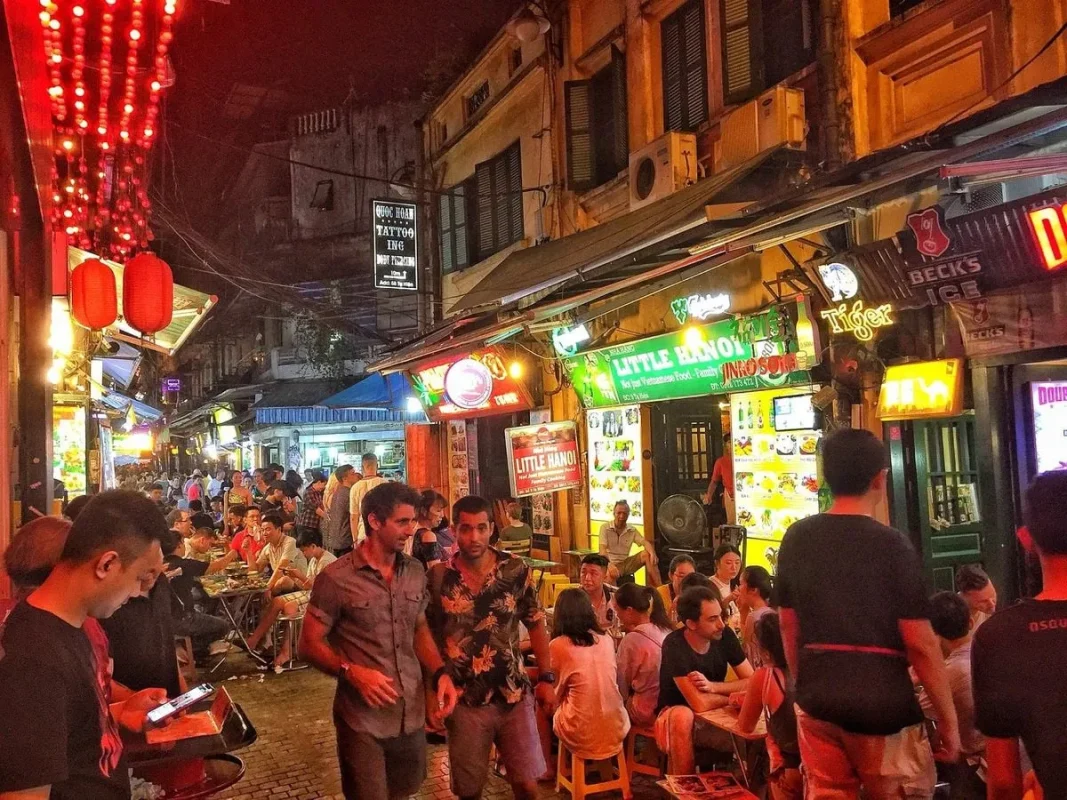
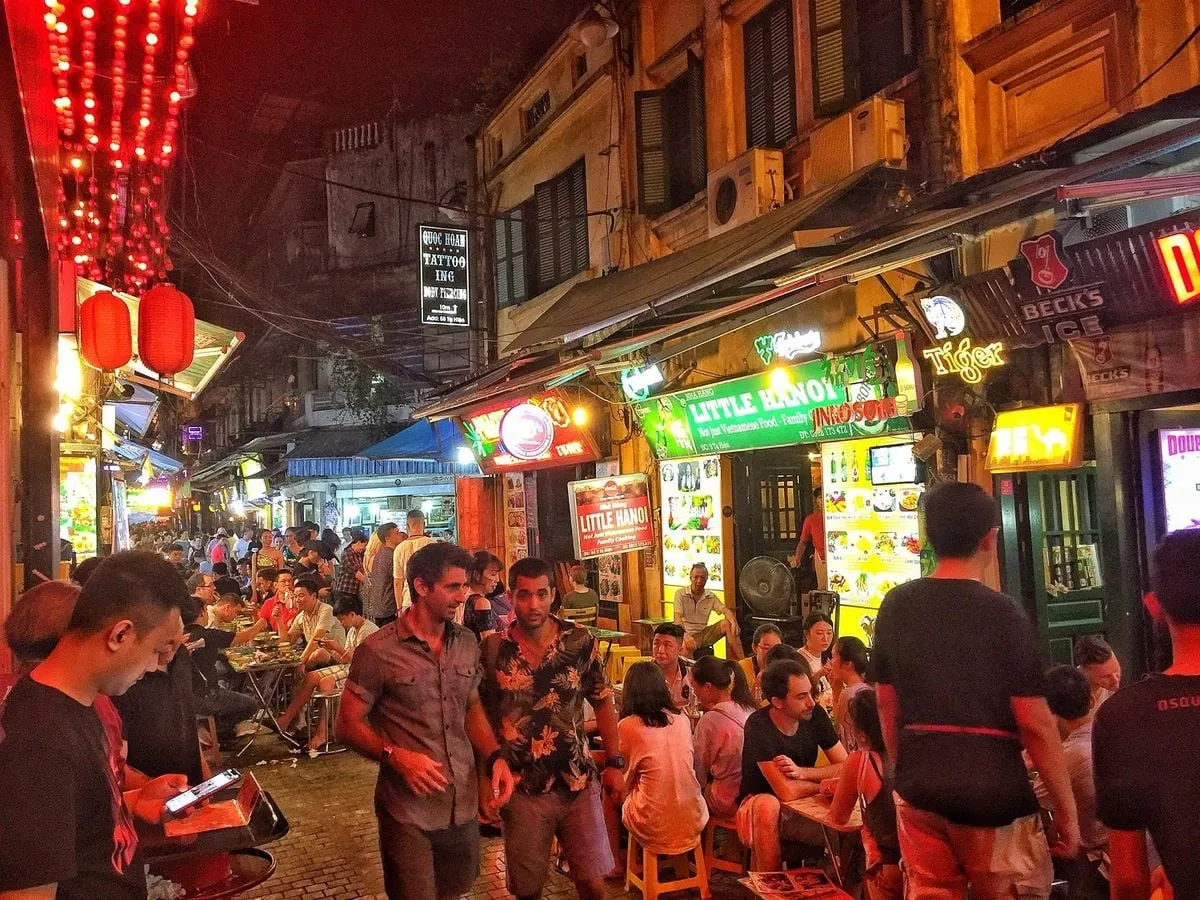
In local street-side eateries or bia hoi corners, the norm is simpler. You might be served by the owner or a family member, and here a direct tip can feel formal. Instead, buying a round of drinks or simply saying “ngon quá” (very delicious) with a bright smile is the most genuine way to show thanks. If you do leave a tip, keep it modest — 5,000–10,000 VND is plenty. The key is to read the room: if the server seems surprised, you have likely done too much; if they smile and nod, you have hit the perfect note.
For bars, especially in cities like Ho Chi Minh City or Da Nang, tipping is similar to restaurants. A 10% tip for good service is standard, though many bartenders appreciate a small note per drink. If you are paying by card, you may have the option to add a tip on the terminal, but cash is still king for gratuities. Carrying a few 20,000 VND notes ensures you can tip effortlessly after a refreshing glass of Vietnamese iced coffee or a local Bia Saigon. Remember, the goal is to leave feeling satisfied — both with the meal and the interaction.
Feeling more confident now? If you still have specific questions about tipping in Vietnam or want a tailor-made itinerary that includes budgeting for tips, contact us directly. We are here to make your trip seamless: WhatsApp wa.me/84989248646 or email [email protected].
Mastering Tipping Etiquette in Vietnam
Now that you understand the general landscape of tipping in Vietnam, let us address the practical concerns that often arise. Many UK travellers worry about carrying cash, but with a little preparation, gratuities become effortless. Remember, the goal is to show appreciation without anxiety, and the local norms are far more flexible than you might imagine. Here we tackle common questions about payment methods, expectations, and how to ask about tipping respectfully.
Managing Cash and Card for Tips
Carrying cash in Vietnam is essential for tipping in Vietnam, as many smaller establishments prefer notes over cards. Keep a stack of 10,000 and 20,000 VND notes handy — this makes leaving a small gratuity after a cyclo ride or a street food meal simple. Taxis and some restaurants now accept cards, but tipping directly in cash is still appreciated; you can often add a tip when paying by card if the terminal prompts it. To avoid fumbling, set aside a daily tips budget of around 100,000 VND (roughly £3.30) — this covers porters, housekeeping, and small gestures without weighing down your wallet.
For tour guides and drivers on day trips, a cash tip of 50,000–100,000 VND per person is customary, especially if the guide went above and beyond. In hotels, leave the tip in an envelope or under the pillow so housekeeping knows it is intentional. The key is to feel comfortable — if you are unsure, keep smaller notes ready and observe what others do. Overthinking steals the joy from your trip; a relaxed approach to tipping in Vietnam lets you focus on the beauty around you.
One taboo to avoid is leaving a tiny tip that could seem dismissive — for example, a single 2,000 VND note after a big meal. Instead, round up or give a modest yet meaningful amount. Similarly, over-tipping in casual settings may embarrass the recipient. By carrying appropriate denominations and staying mindful of context, you master tipping in Vietnam with ease and grace.
Asking About Tipping and Understanding Expectations
Many UK travellers wonder if it is rude to ask locals about tipping practices. The answer is no — done with curiosity and respect, it becomes a cultural exchange. Instead of directly asking “How much should I tip?”, phrase it as a friendly question: “Is it common to leave a gratuity here?” This shows you care about local customs. In markets or family-run eateries, tipping is rarely expected, so you can simply enjoy the interaction without reaching for your wallet.
If you are on a guided tour, your guide may mention gratuities at the end, but it is never mandatory. In situations where you are uncertain, observe other foreign visitors or ask your hotel concierge discreetly. The British value of politeness serves you well here — a warm “cảm ơn” and a small note are always received with a smile. Understanding that tipping in Vietnam is not universal removes the pressure; you can tip when service delights you and skip it when it does not.
In upscale settings like a spa or a fine dining restaurant, a tip of 10% is appreciated if not included. For any lingering doubt, remember that a sincere expression of thanks matters more than the exact amount. If you still feel unsure, our team at vietnamtour.travel can offer personalised advice. Drop us a line — we are here to make your tipping in Vietnam experience feel natural and respectful.
Ready to plan your itinerary with confidence? Contact us today for a tailor-made trip that accounts for all tipping scenarios. WhatsApp: wa.me/84965251618 or email [email protected].
Frequently Asked Questions About Tipping in Vietnam
1. Do I need to tip at street food stalls in Vietnam?
No, tipping at street stalls is not expected. If you want to show appreciation, rounding up the bill by a few thousand dong or simply saying “ngon quá” is perfect. A small tip is never wrong, but leaving nothing is also fine.
2. What is the best way to carry money for tips in Vietnam?
Carry small notes of 10,000 and 20,000 VND in a separate pocket. This makes tipping in Vietnam quick and discreet. Avoid large denominations, as change may not be available. ATMs dispense 50,000 and 100,000 VND notes, so break them at your hotel or a shop.
3. Is it okay to tip in foreign currency like pounds or dollars?
While some tourist areas accept dollars, it is far better to tip in Vietnamese dong. Locals prefer their own currency for everyday use, and exchanging small amounts can be inconvenient. For a smooth tipping in Vietnam experience, always use VND.
4. Should I tip for bad service in Vietnam?
No, tipping is a reward for good service. If you receive poor service, it is perfectly acceptable not to leave a gratuity. You can also speak to a manager or simply move on. The norm of tipping in Vietnam is flexible, and your comfort comes first.
Enjoy Your Vietnam Trip with Confidence
With these insights, you can now approach every interaction with assurance. Whether you are exploring bustling markets or relaxing in a riverside resort, the art of tipping in Vietnam becomes second nature. Remember, local warmth and hospitality are the true treasures of this country, and your thoughtful gestures will be met with genuine smiles. A little preparation goes a long way in making your journey seamless and memorable.
If you still have questions or want a fully crafted itinerary that includes all aspects of tipping in Vietnam, our team is ready to assist. We have been designing bespoke trips since 2014, and we understand what UK travellers need. Reach out to us via WhatsApp at +84 965251618 or +84 989248646, or email [email protected] and [email protected]. We look forward to helping you create unforgettable memories in Vietnam.
For more details, visit our dedicated guide on tipping in Vietnam to ensure every part of your trip is well planned.
Ready to plan your Vietnam trip?
Our specialists are available 7 days a week. Share your travel dates and we will design your itinerary within 24 hours.
WhatsApp: +84 965251618 / +84 989248646
Email: [email protected] / [email protected]
Plan Your Vietnam Trip
Get a free tailor-made itinerary within 24 hours — no obligation.
WhatsApp Us Now