Vietnam Tours for New Zealand Travelers
The Non La Hat: Can Tourists Wear It?
The Non La Hat: Can Tourists Wear It?
Experience the Non La Hat in Vietnam
When you stroll through Vietnam’s vibrant streets, donning a non la hat can feel like embracing a piece of local culture. The rustling palm leaves, the soft shade against the tropical sun, and the gentle nod from a passing vendor all whisper that you’re no longer just a visitor—you’re part of the scene. Yet many Kiwis, with their deep appreciation for respectful cultural exchange, wonder whether it’s appropriate to wear this iconic headpiece. Rest assured, when done with awareness, wearing a non la hat is not only welcomed but celebrated by locals who see it as a sign of genuine interest in their heritage.
Table of Contents
Picture yourself at a bustling market in Ho Chi Minh City, the air thick with the scent of lemongrass and sizzling bánh xèo. Women in silk áo dài glide past, their non la hats swaying gently—each hat a symbol of grace and hard work. The conical shape shields them from the equatorial heat, while the woven texture tells stories of craft passed down through generations. For a traveller, putting on that same hat sparks an instant connection: you’re not just observing; you’re participating. Our team at vietnamtour.travel has guided hundreds of New Zealanders through these exact moments, and we can help you step into them with confidence.
We understand the hesitation—nobody wants to appear disrespectful or culturally tone-deaf. But in Vietnam, the non la hat is a bridge, not a barrier. Locals often smile at foreigners who wear it, appreciating the effort to engage with their traditions. The key lies in understanding its meaning and wearing it in the right context. Whether you’re exploring rural rice paddies or navigating Hanoi’s Old Quarter, this simple accessory can transform your trip from a standard holiday into an authentic adventure.
If you have any questions about how to wear the non la hat respectfully during your journey, chat with us directly on WhatsApp. We’re here to make your Vietnamese experience seamless and meaningful. Reach out to +84 965 251 618 or +84 989 248 646, or drop an email to [email protected].
How to Wear the Non La Hat with Confidence
The Significance of the Non La Hat
To wear the non la hat with ease, first understand what it represents. For centuries, this conical hat has been a daily essential for Vietnamese farmers, fishermen, and market vendors—not a fashion prop, but a practical tool that shields from rain and sun. Its shape mirrors the poetic curves of Vietnam’s landscapes, from the gentle slopes of terraced rice fields to the sweeping arcs of the Mekong Delta. When you place it on your head, you’re honouring a tradition that dates back over a thousand years, deeply woven into the nation’s identity.
In rural villages, you’ll see children running to school with non la hats bouncing on their backs, and elders sitting under the shade of their hats while tending to vegetable patches. This isn’t a costume—it’s everyday life. By putting one on, you signal that you recognise the hat’s role in protecting and uniting communities. Locals appreciate that gesture far more than a perfectly executed bow or a memorised Vietnamese phrase. The respect is in the wearing, not just the words.
So where should you wear it? Anywhere that feels natural—while cycling through Hoi An’s ancient streets, while cruising along the Perfume River in Hue, or while wandering through a floating market in the Mekong. Avoid formal settings like temples unless you’re invited, and never treat it as a silly prop for laughs. Instead, let the non la hat become a subtle part of your travel identity, and you’ll find locals meeting your gaze with warmth and recognition.
Styling Tips for Tourists
Now, let’s talk about looking good while wearing the non la hat. Kiwis often worry about appearing “touristy,” but with a few simple choices, you can rock this hat with effortless style. Pair it with lightweight linen or cotton clothing—think a loose white shirt and earthy trousers for men, or a flowy midi dress and sandals for women. The goal is to complement the hat’s natural texture, not fight it with synthetic fabrics or bold patterns. Opt for neutral tones like beige, olive, or soft blue that echo Vietnam’s landscapes.
For photography, the non la hat can be your best friend. Position yourself so the brim casts a soft shadow over your face, creating a flattering, mysterious glow. Stand at the edge of a rice terrace as the golden sunrise lights up the paddies, or pose beside a lotus pond in full bloom. The hat’s conical shape frames your profile beautifully, and its woven surface catches the light in ways that no synthetic hat can replicate. Trust us—these shots will make your Instagram followers envious.
Finally, remember that the non la hat is also a conversation starter. At a local market, wear it while bargaining for silk scarves or sampling exotic fruit. Vendors will often comment on your choice, and that simple exchange can lead to laughter, stories, and even an invitation to see how the hats are made. Embrace the hat as a tool for connection, not just a photo accessory, and you’ll leave Vietnam with far more than a souvenir—you’ll leave with friendships.
Ready to capture those unforgettable moments? Consider joining a photo tour with vietnamtour.travel, where we take you to the most photogenic spots while you wear your non la hat with pride. Contact us on WhatsApp at +84 965 251 618 or +84 989 248 646, or email [email protected] to learn more.

Engaging with Locals While Wearing the Non La Hat
Wearing the Non La Hat with Respect
To show true respect, always wear your non la hat correctly. Position it so the brim sits evenly around your head, not tilted back like a fashion accessory. In Vietnam, locals wear the hat to shield from sun and rain, so tilting it forward slightly is natural. Avoid pairing it with overly casual or mismatched clothes—think neat, comfortable attire that honours the hat’s humble origins. This simple care signals that you understand its practical purpose, not just its aesthetic appeal.
When you enter a temple or a family home, it’s polite to remove your non la hat. This gesture mirrors Vietnamese customs where headwear is taken off indoors as a sign of humility. Locals will notice your effort and often respond with a warm smile or a nod of appreciation. Similarly, don’t wear the hat in formal settings like restaurants unless you see locals doing the same—observation is your best guide. Respectful wearing builds instant goodwill and opens doors to genuine conversations.
Remember, the non la hat is not a costume or a prop for jokes. Treat it as you would a treasured family heirloom—with care and understanding. If you’re ever unsure, ask a local vendor or guide for advice; they’ll be delighted to teach you. By wearing the hat with dignity, you honour the artisans who weave each one by hand and the generations who have relied on it. This attitude transforms your travel into a meaningful cultural exchange rather than a superficial snapshot.
For more personalised guidance on wearing the non la hat respectfully during your trip, reach out to our team. We’ll help you navigate every cultural nuance so you feel confident and welcomed. Contact us on WhatsApp at +84 965 251 618 or +84 989 248 646, or email [email protected].

Photography and Interaction Etiquette
Taking photos while wearing your non la hat is a wonderful way to capture memories, but always ask permission before photographing locals. A simple smile and a gesture of your camera, followed by “xin phép” (excuse me), goes a long way. Many people will happily pose, especially if you show genuine interest in their craft or daily life. Never snap pictures without consent—this can feel intrusive and disrespectful, damaging the trust you’ve built.
When interacting with vendors, wearing the non la hat can break the ice. Vendors often comment on your hat, and that’s your cue to ask about its making or history. Use these moments to learn the story behind the woven leaves—each hat reflects a region’s tradition. Sharing a laugh or a few words in Vietnamese (like “cảm ơn” for thank you) turns a transaction into a friendship. The non la hat becomes a conversation starter, not just a photo prop.
Be mindful not to overcommercialise the hat. Avoid using it exclusively for posed, Instagram‑worthy shots without engaging with its cultural weight. Instead, let the hat accompany you through natural experiences—bargaining for fruit, cycling past rice paddies, or sipping iced coffee at a street stall. When you treat the non la hat as part of your journey rather than a costume, locals see you as a respectful guest. This approach deepens your connection to Vietnam and leaves you with stories that no filter can capture.
Ready to experience Vietnam through the lens of respectful travel? Let vietnamtour.travel craft an itinerary that includes authentic non la hat moments. WhatsApp us at +84 965 251 618 or +84 989 248 646, or email [email protected].
Frequently Asked Questions About the Non La Hat
Is it okay for tourists to wear a non la hat in Vietnam?
Yes, absolutely. Locals appreciate when visitors show interest in their culture. Wear it with respect and in appropriate settings, and you’ll receive smiles and positive reactions.
What should I avoid when wearing a non la hat?
Avoid wearing it backwards, as a joke, or with very casual attire like gym clothes. Also never take photos of locals without permission while wearing the hat. These actions can seem disrespectful.
Can I buy a non la hat during my trip?
Yes, many markets and artisan villages sell them. Buying directly from weavers supports local crafts. Prices are reasonable, and you’ll have a meaningful souvenir to take home.
How do I clean or care for a non la hat?
Gently wipe it with a damp cloth if needed. Avoid soaking it in water, as the palm leaves can warp. Store it in a cool, dry place when not in use to keep its shape.
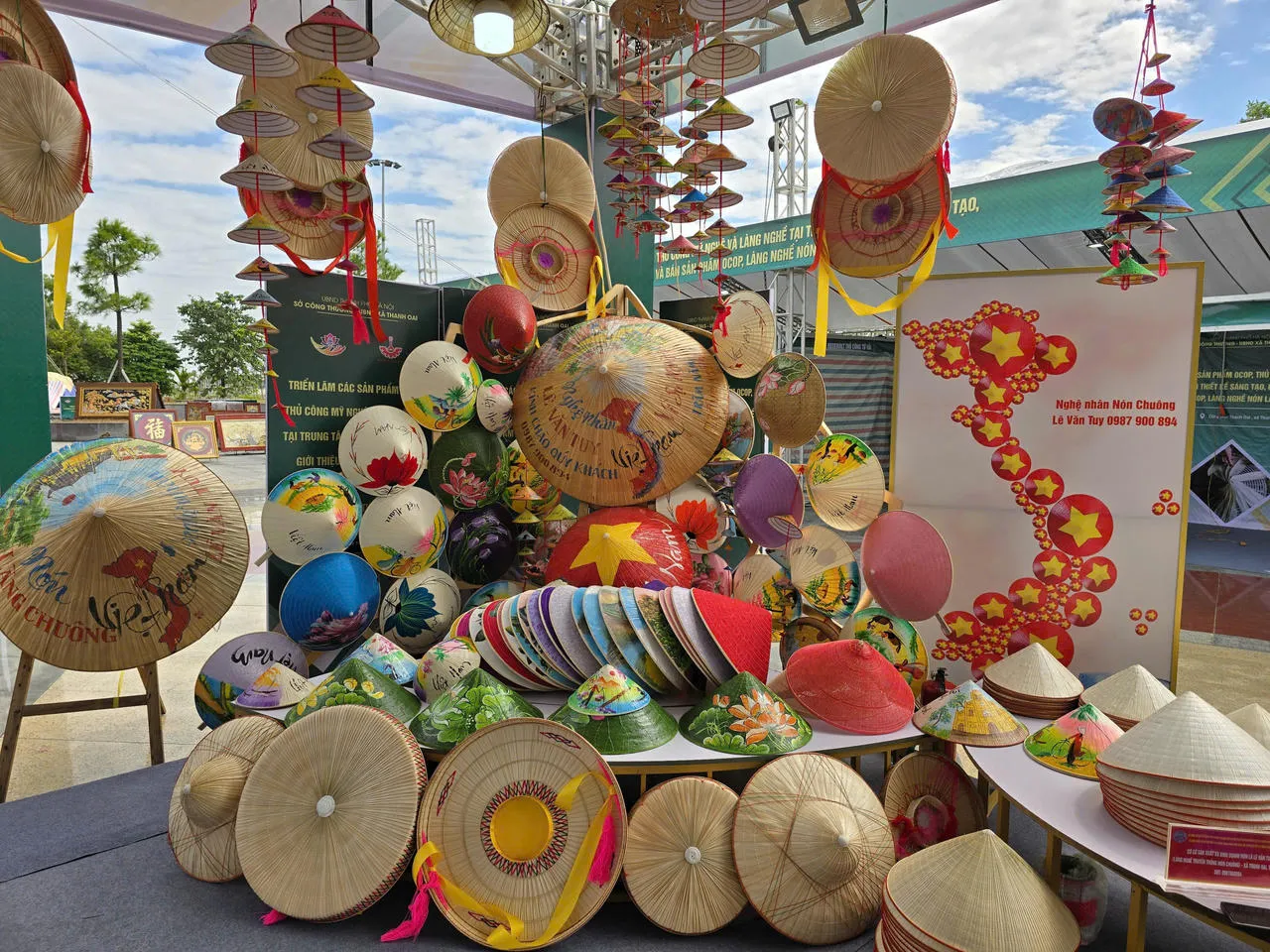
Your Journey Awaits with the Non La Hat
Wearing the non la hat can turn an ordinary trip into a deeply personal adventure. From the moment you place it on your head, you become part of Vietnam’s living tradition—a traveller who seeks connection, not just pictures. The hat’s simple elegance opens doors to conversations with artisans, farmers, and market sellers who share their stories freely. Each interaction becomes a thread in the tapestry of your journey, woven with respect and curiosity.
By following the guidelines in this article, you can wear the non la hat with confidence and grace. You now know how to style it, when to remove it, and how to engage with locals authentically. This knowledge ensures that your cultural experience is enriching for both you and the people you meet. The hat is more than a souvenir—it’s a bridge between worlds, built on mutual respect.
We’d love for you to explore our non la hat page for more tips and to start planning your trip. Our team at vietnamtour.travel is ready to assist you every step of the way. Contact us on WhatsApp at +84 965 251 618 or +84 989 248 646, or email [email protected] and [email protected]. Let’s design your unforgettable Vietnamese adventure.
Ready to plan your Vietnam trip?
Our specialists are available 7 days a week. Share your travel dates and we will design your itinerary within 24 hours.
WhatsApp: +84 965251618 / +84 989248646
Email: [email protected] / [email protected]
Plan Your Vietnam Trip
Get a free tailor-made itinerary within 24 hours — no obligation.
WhatsApp Us Now