Vietnam Tours for United States Travelers
Sapa Trekking Tips: What to Pack?
Sapa Trekking Tips: What to Pack?
Sapa Trekking Tips: What to Pack?
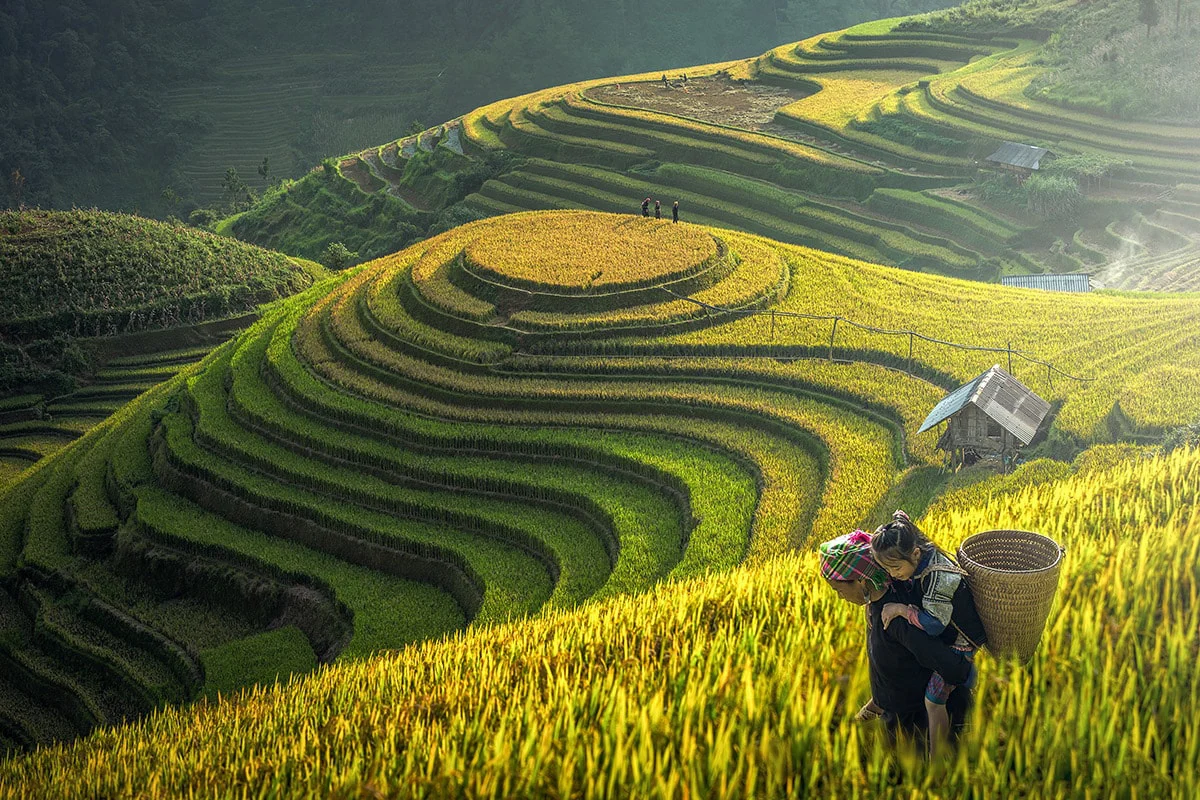
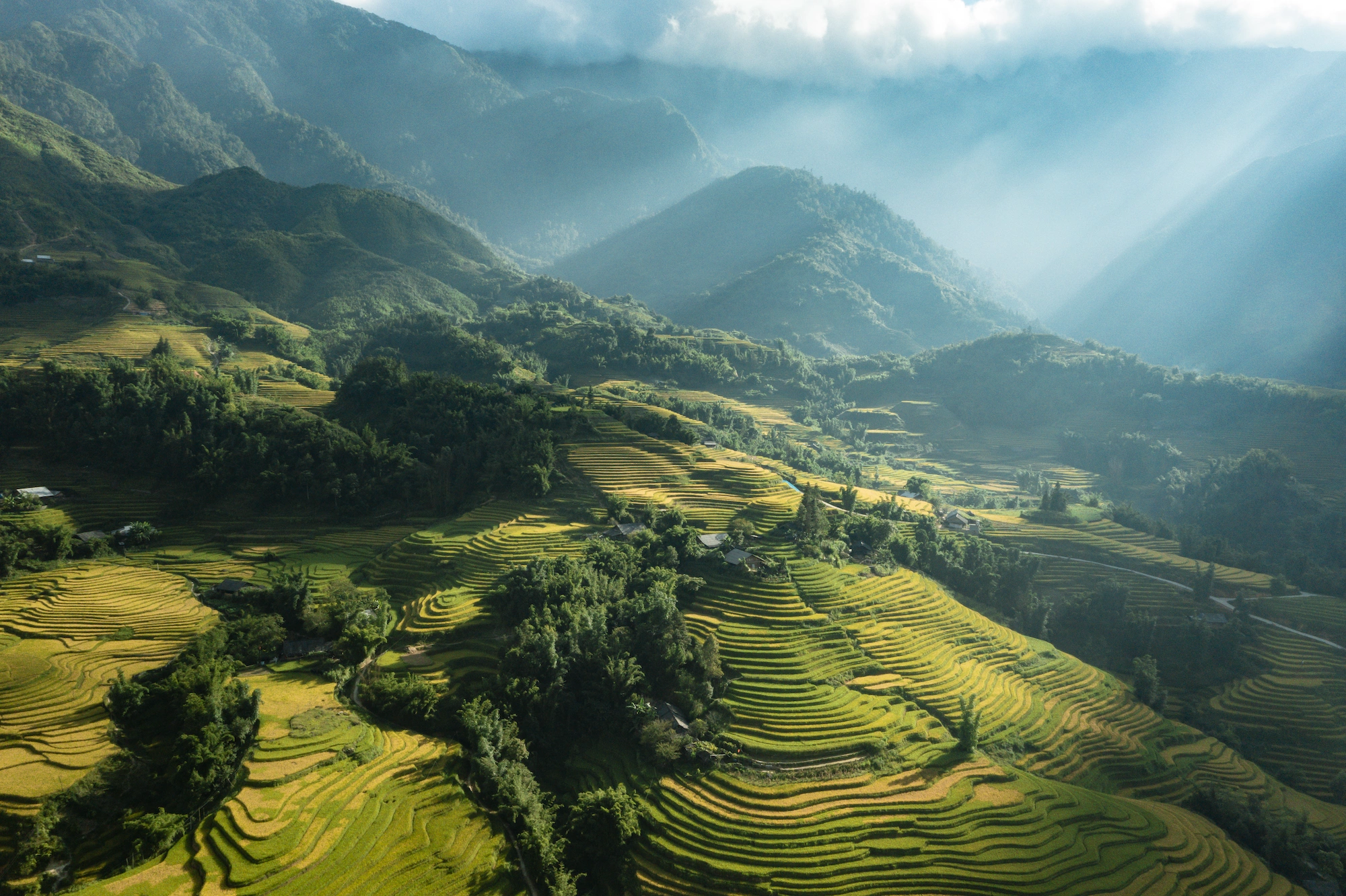
As you prepare for your adventure in the stunning landscapes of Sapa, it’s essential to know what to pack for a truly memorable experience. Imagine stepping off the train in Lao Cai and feeling the cool mountain air carrying the scent of wet earth and wildflowers. The terraced rice fields stretch like golden staircases into the mist, and you know that every step on the trail will reward you with a new vista. “I just want to make sure I have everything I need to enjoy the beauty of Sapa without worrying,” one traveler shared, and that sentiment is at the heart of these sapa trekking tips.
Table of Contents
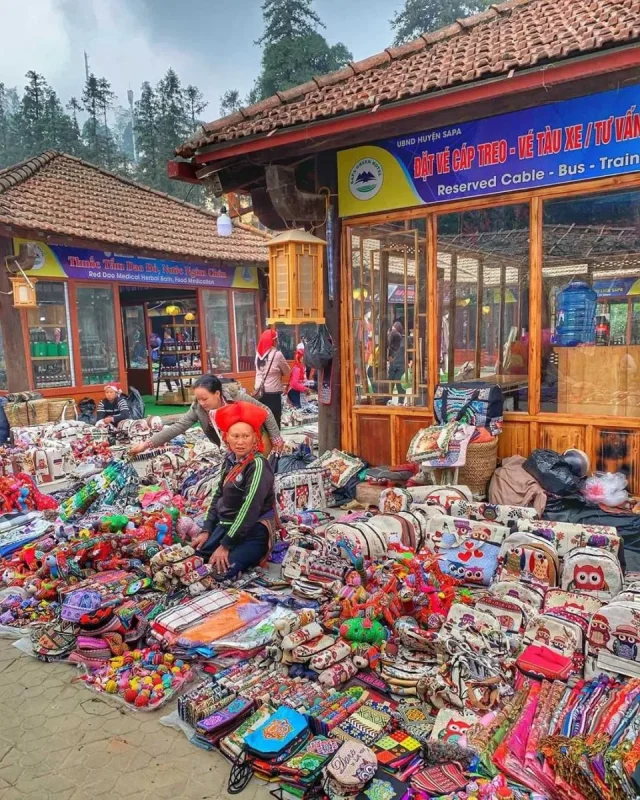
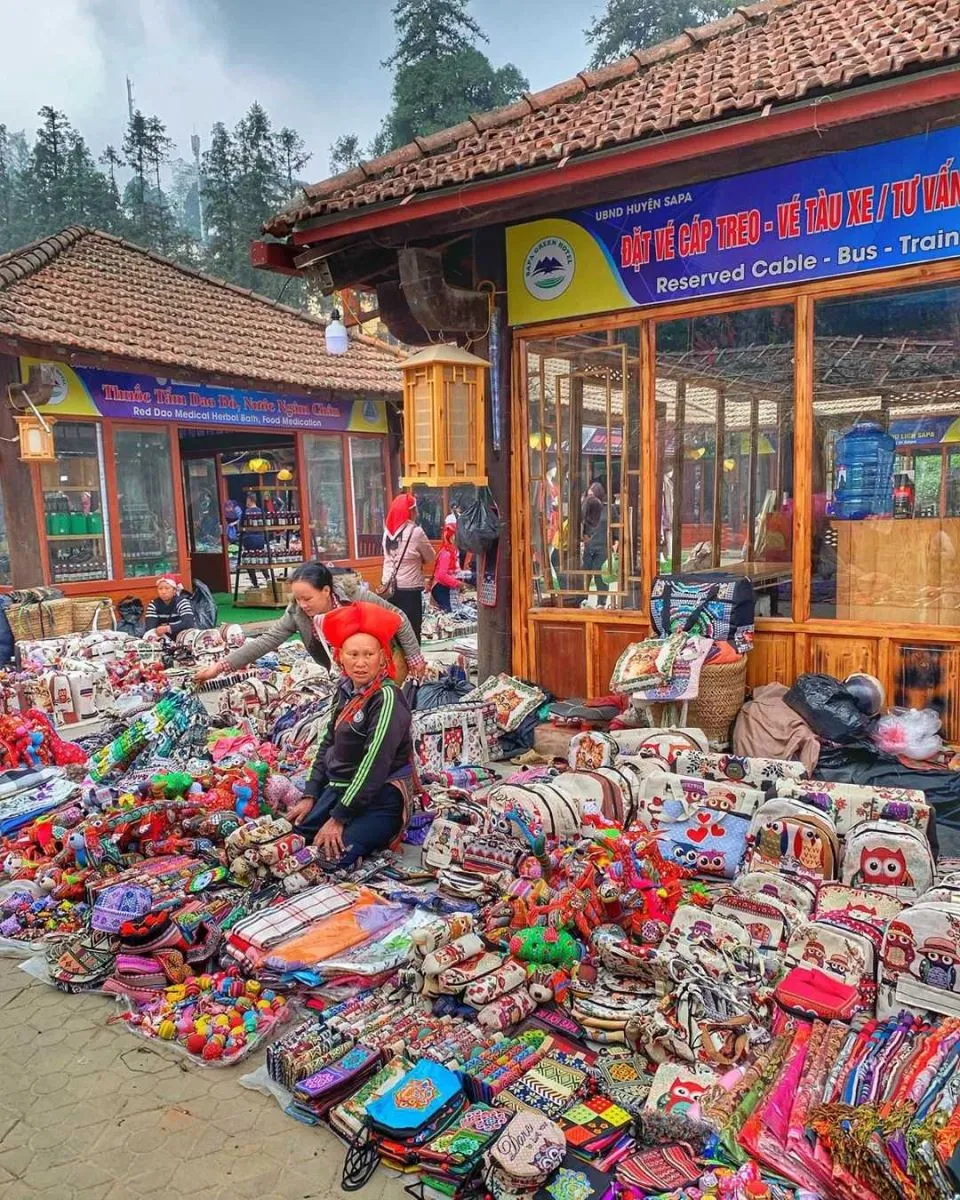
The sound of distant buffalo bells mingles with the chatter of local Hmong women selling handwoven scarves. Sunlight filters through bamboo groves, painting dappled patterns on the dirt path. You can almost taste the hearty stew simmering in a village home—a promise of authentic meals ahead. These sensory details are what make Sapa unforgettable, and having the right gear ensures you soak them in fully, not fret over forgotten items.
At vietnamtour.travel, we have helped countless American travelers plan their dream trekking holidays since 2014. Our team knows exactly what works on the trails and what doesn’t. For personalized packing advice that matches your travel dates and itinerary, reach out to us on WhatsApp at +84 965251618 or +84 989248646—we’re here to make your preparation effortless.
Essential Gear for Sapa Trekking
Clothing Recommendations
Lightweight, moisture-wicking fabrics are ideal for comfort during long hours on the trail. The humidity in the valleys can leave you damp quickly, so breathable materials help regulate your body temperature. Choosing quick-dry shirts and pants also makes washing in village homestays much easier. This is one of the essential sapa trekking tips for staying comfortable throughout the day.
Layering options are crucial for temperature changes that occur from dawn to midday. Start your morning trek with a thermal base layer, add a fleece mid-layer, and top it with a waterproof jacket. By noon, you might shed two layers as the sun warms the rice terraces.
Sturdy, waterproof trekking shoes handle various terrains—from muddy paths to rocky ascents—and prevent blisters. Look for shoes with good ankle support and aggressive treads. Breaking them in at home before your trip is one of the simplest yet most effective sapa trekking tips you can follow.
Packing Essentials
Include a reusable water bottle to stay hydrated throughout the day. Refilling from purified sources at rest stops is easy, and you’ll reduce plastic waste in the highlands. A 1-liter bottle is usually sufficient for half-day treks; for longer hikes, carry a second bottle or a hydration bladder. This is another key sapa trekking tip for staying refreshed on the trail.
A small daypack for carrying personal items on treks keeps your hands free and your back comfortable. Choose a pack with padded shoulder straps and a waist belt to distribute weight evenly. Inside, store your water, snacks, rain jacket, and a camera to capture those breathtaking vistas.
Trekking poles provide additional stability on uneven paths, especially after a rain when trails become slick. They also reduce strain on your knees during steep descents. Many travelers discover this forgotten gem of sapa trekking tips once they try them—they can transform a strenuous hike into an enjoyable stroll.
Ready to fine-tune your packing list? Let us help you avoid common mistakes. Contact vietnamtour.travel via WhatsApp at +84 989248646 or email [email protected] for gear recommendations tailored to the exact trails you’ll explore.
Local Cuisine and Off-the-Beaten-Path Trails
Savoring Authentic Sapa Dishes
One of the most rewarding parts of any trek is tasting the local cuisine, and Sapa offers dishes that reflect the region’s rich traditions. From steaming bowls of thang co (a hearty stew of horse meat and herbs) to grilled stream fish wrapped in bamboo leaves, every meal tells a story. These flavors are best enjoyed in village homestays, where families prepare recipes passed down through generations.
Communicating your dietary preferences is easier than you might think—just learn a few key Vietnamese phrases. For instance, “tôi ăn chay” means “I am vegetarian,” and locals are happy to accommodate. Many dishes already feature fresh vegetables and rice, so you rarely need to worry about missing out. Following these sapa trekking tips ensures you enjoy meals as authentic as the landscapes.
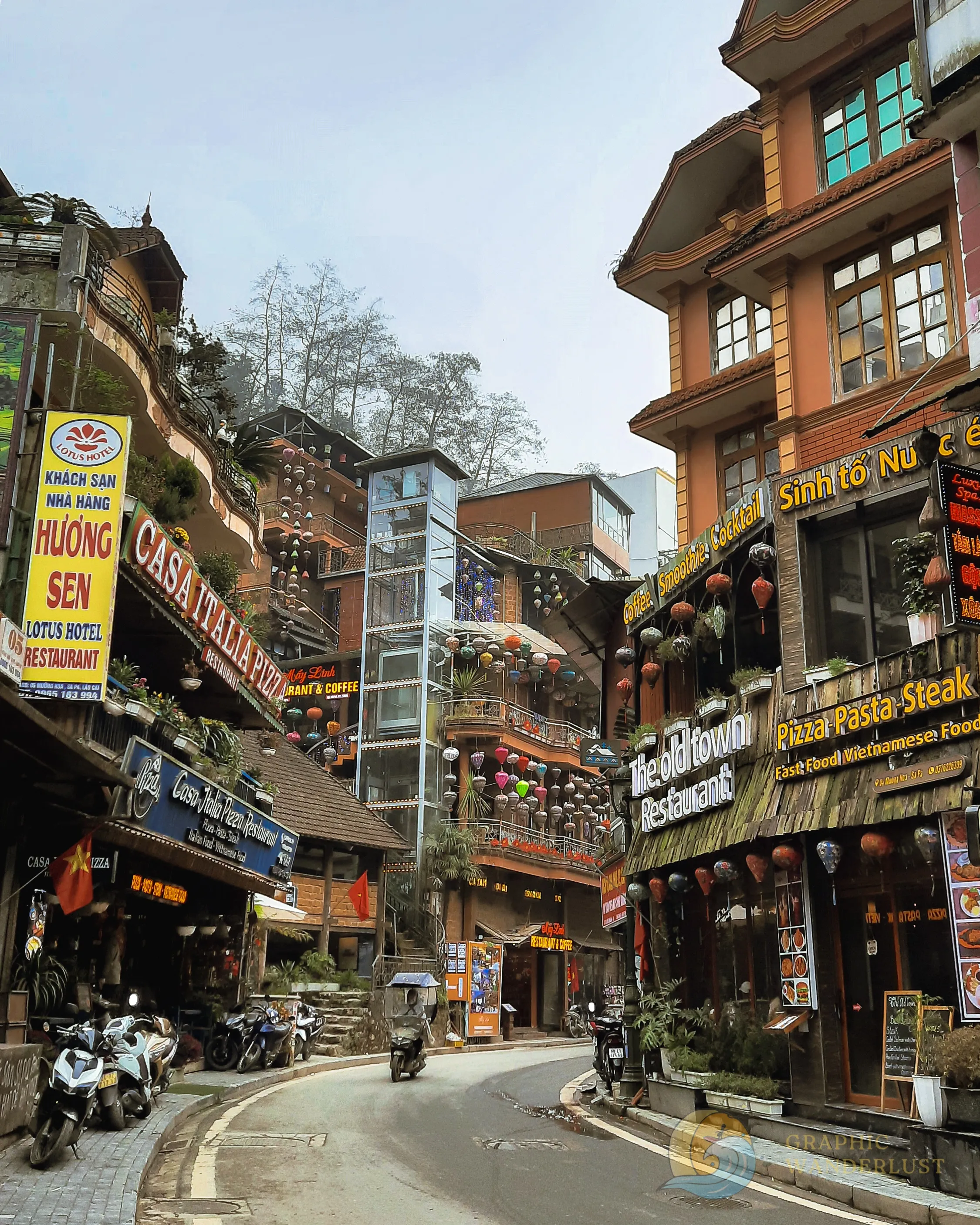
To avoid tourist-oriented restaurants, ask your guide or homestay host for the best spots. They will point you to small family-run eateries where the food is cooked with love and local ingredients. Tasting Sapa’s cuisine in these settings deepens your connection to the culture and turns every meal into a memory. These are vital sapa trekking tips for making the most of your culinary journey.
Finding Quiet Trails Away from Crowds
Many travelers worry about encountering throngs of tourists on the main routes, but Sapa has hidden paths that offer tranquility. Trails leading to villages like Sin Chai and Ta Van see fewer visitors, yet they boast equally stunning views of terraced fields and forested slopes. Timing your trek for early morning or late afternoon also reduces the chance of meeting large groups.
Exploring these less-traveled routes enhances your sense of discovery and allows for genuine interactions with local communities. You might share a cup of corn wine with a Red Dao family or learn about indigo dyeing from a Hmong artisan. These experiences become the highlight of your journey—and a core part of your sapa trekking tips for future trips.
When you choose quieter trails, you also contribute to more sustainable tourism. Villagers benefit from your visit, and the environment remains preserved. Our team at vietnamtour.travel can recommend specific trails based on your fitness level and interests. These are expert sapa trekking tips that help you balance adventure and solitude. For custom route suggestions, contact us via WhatsApp at +84 965251618 or email [email protected]—we’ll help you craft an itinerary that balances adventure and solitude.
Frequently Asked Questions
What is the best time of year for a Sapa trek?
The ideal months are March to May and September to November, when the weather is mild and the rice terraces are either green or golden. Rain is less frequent, and visibility on the mountains is clearer. These conditions make your sapa trekking tips more effective and your experience more enjoyable.
Can I find vegetarian or vegan food along the trails?
Yes, most village homestays can prepare simple vegetarian meals like stir-fried vegetables, tofu, and rice. It helps to learn a few Vietnamese phrases to communicate your needs clearly. With these sapa trekking tips, you can enjoy local flavors without compromising your diet.
Are there guides available for the less crowded trails?
Absolutely, and we recommend hiring a local guide from the ethnic minority communities. They know the hidden paths and can introduce you to village life. This is one of the most valuable sapa trekking tips: a guide enriches your journey with stories and insights you won’t find in any guidebook.
How physically demanding are the off-the-beaten-path treks?
They range from moderate to challenging, with uneven terrain and some steep sections. Proper footwear and trekking poles, as covered in our earlier sapa trekking tips, make a big difference. Take breaks often, carry enough water, and listen to your body—the reward is worth every step.
Conclusion
Packing wisely and choosing the right trails are just the beginning of an unforgettable adventure. By focusing on authentic food experiences and quiet paths, you immerse yourself in the real Sapa—the one that stays with you long after you return home. Every sapa trekking tips we’ve shared comes from years of guiding American travelers, and they are designed to transform your trip from ordinary to extraordinary.
If you still have questions or want a personalized itinerary, our team is ready to assist. You can reach us on WhatsApp at +84 965251618 or +84 989248646, and via email at [email protected] or [email protected]. We’re here seven days a week to turn your dream Sapa trek into a reality.
For a complete reference, check out our detailed guide on sapa trekking tips that covers everything from packing lists to hidden trails. Start planning today and discover why Sapa captivates every traveler who sets foot on its trails.
Ready to plan your Vietnam trip?
Our specialists are available 7 days a week. Share your travel dates and we will design your itinerary within 24 hours.
WhatsApp: +84 965251618 / +84 989248646
Email: [email protected] / [email protected]
Plan Your Vietnam Trip
Get a free tailor-made itinerary within 24 hours — no obligation.
WhatsApp Us Now