Vietnam Tours for India Travelers
Guide: Vietnam currency to inr
Guide: Vietnam Currency to INR
Why Understanding the Vietnam Currency to INR Rate is Your First Step to a Stress-Free Holiday
If you’re planning a trip to Vietnam from India, one of the first practical questions you’ll have is how to handle your money — and getting the right answer can save you both time and a significant amount of your hard-earned rupees. You might be thinking, “I just want to know exactly how much my rupees are worth in Vietnam without getting cheated,” and that is a completely understandable concern. The vietnam currency to inr rate can feel like a mystery, but it doesn’t have to be a source of worry.
Table of Contents
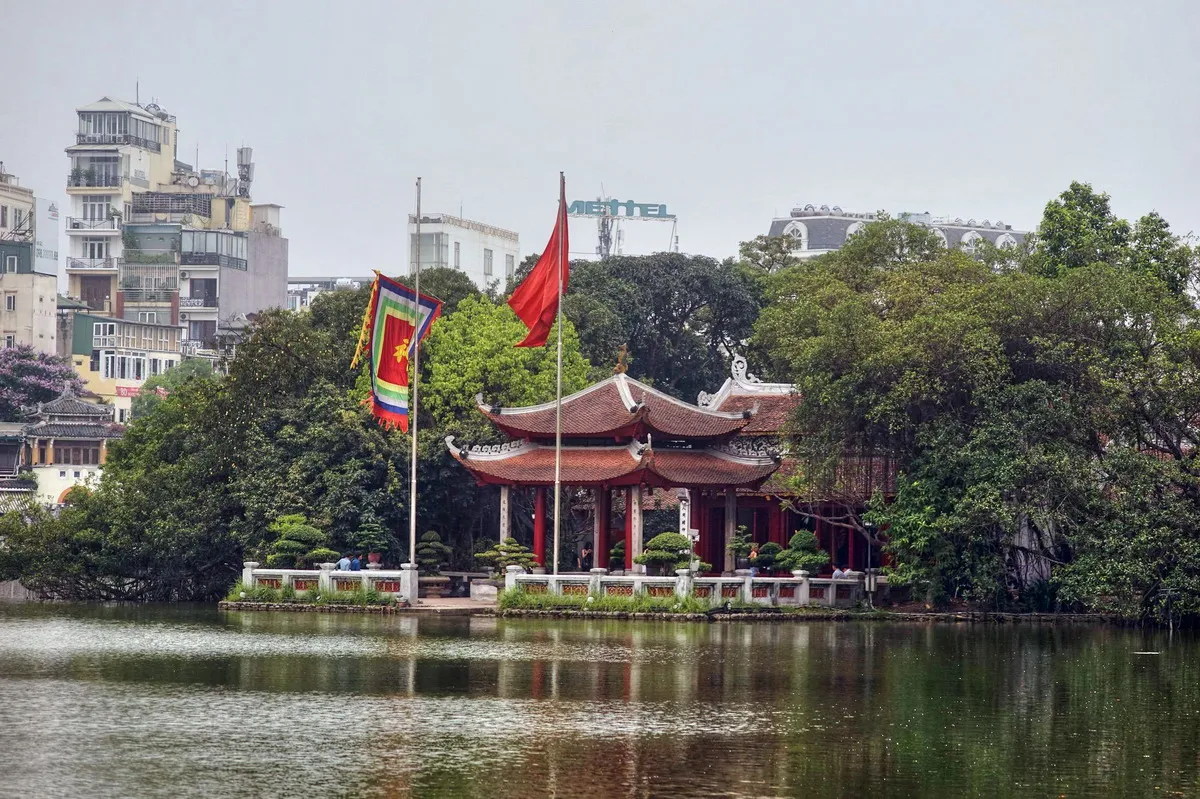
Imagine stepping off the plane in Hanoi, the humid air carrying the aroma of sizzling pho and the gentle clatter of motorbikes. You see glowing lanterns reflected in Hoan Kiem Lake, and you feel the texture of a freshly woven silk scarf at a night market. These sensory moments should be your focus, not the anxiety of whether your money is safe or if you are getting a fair deal. With the right guidance, managing your finances in Vietnam can be as smooth as the country’s famous egg coffee.
At vietnamtour.travel, we have been helping Indian families explore Vietnam since 2014, and we understand that transparent pricing and secure currency handling are the foundations of a relaxing holiday. We are here to walk you through every step, from understanding the current rate to choosing the safest exchange method, so you can focus on creating unforgettable memories.
If you have a specific question about budgeting for your family’s itinerary, our team is just a message away on WhatsApp: +84 965251618 or +84 989248646.
Where and How to Exchange Your Money for the Best Vietnam Currency to INR Rate
Knowing the vietnam currency to inr rate is only half the battle; the other half is knowing exactly where to exchange your money safely and at the best possible value. Many travellers worry about receiving fake notes or being offered a poor rate, but by following a few simple steps, you can ensure your rupees go further. Let us guide you to the most reliable options that Indian travellers have trusted for years.
Official Banks are Your Safest Bet
For the most secure and fair exchange, always head to an official bank. Vietcombank, BIDV, and VietinBank are the largest and most reputable banks in Vietnam, with branches in every city and town. These institutions use the official interbank rate for the vietnam currency to inr conversion, which means you get a rate very close to what you see on live currency converters like XE.com. You can walk into any branch in Ho Chi Minh City, Hanoi, or Da Nang, present your passport, and exchange Indian Rupees directly without needing US Dollars as an intermediate currency.
We strongly advise against exchanging money at the airport, where rates can be significantly worse, or with street vendors who may offer tempting but risky deals. The difference in the vietnam currency to inr rate between an airport counter and a city bank can be substantial, potentially costing you several thousand rupees on a larger exchange. Always verify the rate on your phone before completing any transaction, and remember that a reputable bank will never rush you or hide the exchange details.
For your convenience, many hotels in Vietnam also offer currency exchange at their reception desks, often at a rate comparable to banks. This is a particularly good option if you arrive late at night or are staying in a smaller town. Simply ask at the front desk about their current rate for the vietnam currency to inr conversion, and they will happily assist you. This adds an extra layer of safety, as you are dealing with a trusted establishment.
How to Spot a Genuine Vietnamese Dong Note
While the risk of receiving counterfeit money is low when using official banks, it is still wise to know how to verify a genuine Vietnamese Dong note, especially the high-value 500,000 VND notes. The polymer notes have several distinct security features: hold the note up to the light, and you will see a clear watermark of Ho Chi Minh’s portrait. You should also feel a raised texture on the portrait and the denomination number, as the printing is slightly embossed. A security thread is embedded vertically, which appears as a shiny strip when tilted.
Always count your notes carefully at the bank counter before leaving, and do not hesitate to ask the teller to exchange any note you are unsure about. The 500,000 VND note is the most commonly counterfeited, so pay extra attention to its feel and watermark. A genuine note will feel crisp and slightly waxy, while a fake may feel flimsy or have blurred printing. Understanding these simple checks will give you complete confidence when handling the vietnam currency to inr exchange in your hands.
Another quick tip: Vietnamese Dong notes come in various colours and sizes, making them easy to differentiate. The 10,000 VND note is small and brown, while the 200,000 VND note is large and red. Familiarising yourself with these differences before your trip will help you avoid confusion when paying for street food or a cyclo ride. Remember, a calm and observant traveller is always a step ahead.
Planning a family trip? Let us handle the logistics so you can focus on the fun. Send us a message on WhatsApp at +84 965251618 or email [email protected] to get a customised quote in INR.
Using Indian Cards and ATMs in Vietnam: A Practical Guide for the Best Vietnam Currency to INR Value
Many Indian travellers wonder if they can rely solely on their Indian debit or credit cards in Vietnam, avoiding the need to carry large amounts of cash. The honest answer is that while international Visa and Mastercard cards are widely accepted in hotels, upscale restaurants, and larger retail stores in cities like Ho Chi Minh City and Hanoi, you will still need Vietnamese Dong for the authentic experiences that make your trip special. Street food stalls, local markets, small taxis, and entry fees to many temples and pagodas operate on a cash-only basis, so carrying a mix of payment methods is essential for a smooth journey.
When using your Indian card at an ATM in Vietnam, choose machines from major banks like Vietcombank, BIDV, or HSBC, which are known for reliable service and lower fees. Your bank in India will charge a foreign transaction fee, typically between 1% and 3.5% of the withdrawal amount, plus a fixed ATM fee of around 30,000 to 50,000 VND (approximately INR 100 to 175). To minimise these charges, withdraw larger amounts less frequently rather than making multiple small withdrawals, and always decline the ATM’s own currency conversion offer, as this will give you a worse vietnam currency to inr rate than your bank’s exchange.
Regarding UPI and Google Pay, we must be clear: these are not accepted in Vietnam. While some larger tourist-oriented businesses may display QR codes, they are typically linked to local Vietnamese payment apps like Momo or ZaloPay, not Indian UPI. Therefore, plan to carry sufficient cash for daily expenses and use your card for larger purchases like hotel bills or guided tours. If you have a specific question about budgeting for your trip, our team can help you calculate the exact vietnam currency to inr impact. Contact us today at +84 965251618 or +84 989248646 for personalised advice.

Frequently Asked Questions About Vietnam Currency to INR
Can I exchange Indian Rupees directly in Vietnam without using US Dollars?
Yes, you can exchange Indian Rupees directly for Vietnamese Dong at major banks like Vietcombank and BIDV in cities such as Ho Chi Minh City, Hanoi, and Da Nang. You do not need to convert your rupees to US Dollars first, which saves you an extra conversion fee and gives you a better overall vietnam currency to inr value.
What is the best way to check the live Vietnam currency to INR rate before my trip?
Use a reliable online currency converter like XE.com or Google’s currency converter, which updates in real-time. Simply search for “VND to INR” on your phone to see the current interbank rate, which is the rate banks in Vietnam use for exchange. This helps you verify you are getting a fair deal when you exchange money.
Are there any limits on how much Vietnamese Dong I can bring into or out of Vietnam?
There is no limit on bringing foreign currency into Vietnam, but if you carry more than USD 5,000 (or equivalent in other currencies), you must declare it at customs. For Vietnamese Dong, you can carry up to 15,000,000 VND without declaration. Always keep your exchange receipts as proof of legal conversion.
Should I exchange all my money at once or in smaller amounts during my trip?
It is wise to exchange enough for your first few days in Vietnam at a bank in the city, then exchange more as needed. This protects you from carrying large sums of cash and allows you to take advantage of favourable vietnam currency to inr rate fluctuations. Keep your remaining rupees safe in your hotel safe and only carry what you need for the day.

Conclusion: Your Journey Starts with Confident Currency Planning
Understanding the vietnam currency to inr rate and knowing where to exchange your money safely removes one of the biggest sources of travel anxiety. By choosing official banks, checking your notes carefully, and carrying a mix of cash and cards, you can explore Vietnam’s vibrant streets, savour its incredible food, and connect with its warm-hearted people without financial worry. Every rupee you save on exchange fees is a rupee you can spend on an extra bowl of pho, a boat ride through Ha Long Bay, or a handmade souvenir from Hoi An’s lantern-lit alleys.
At vietnamtour.travel, we have been helping Indian families create unforgettable memories in Vietnam since 2014, and we are here to make your planning as smooth as possible. For a deeper understanding of managing your travel budget, read our complete guide on vietnam currency to inr, which covers everything from daily expense estimates to hidden cost tips. Our team is available seven days a week to answer your questions and design a custom itinerary that fits your family’s needs and budget.
Do not let currency concerns delay your dream holiday. Reach out to us today via WhatsApp at +84 965251618 or +84 989248646, or send an email to [email protected] or [email protected]. Let us handle the details while you count down the days to your Vietnamese adventure.
Ready to plan your Vietnam trip?
Our specialists are available 7 days a week. Share your travel dates and we will design your itinerary within 24 hours.
WhatsApp: +84 965251618 / +84 989248646
Email: [email protected] / [email protected]
Plan Your Vietnam Trip
Get a free tailor-made itinerary within 24 hours — no obligation.
WhatsApp Us Now