Vietnam Tours for Canada Travelers
Essential Vietnamese Phrases for Tourists

Essential Vietnamese Phrases for Tourists
Essential Vietnamese Phrases for Tourists
As a Canadian stepping into the vibrant streets of Vietnam, the air buzzes with the aroma of sizzling noodles, the chatter of motorbikes, and the laughter of vendors. You want to connect, to feel the warmth of a smile that says you’ve made an effort. That’s where learning Vietnamese phrases becomes your secret key. It’s not about fluency—it’s about unlocking moments that turn a trip into a memory. Many travelers worry about language barriers, but the truth is, locals adore even the simplest attempt to speak their language.
Table of Contents
Imagine wandering through Hanoi’s Old Quarter, the scent of phở drifting from a corner stall. You catch the eye of a vendor and offer a shy “Xin chào.” Her face lights up, and suddenly the distance between you vanishes. These small interactions are what make travel in Vietnam so authentic. Vietnamese phrases aren’t just words—they’re bridges to genuine connection. At vietnamtour.travel, we’ve helped countless Canadians overcome that initial hesitation, showing them that a few spoken syllables can transform their entire experience.
Of course, nerves are natural. You might worry about mispronouncing a tone or forgetting a word. But here’s the secret: locals are patient and delighted by sincere efforts. The key is to start small—greetings, thank-yous, and a warm smile. These Vietnamese phrases will become your travel companions, easing you into markets, restaurants, and everyday encounters. So take a breath and prepare to discover a side of Vietnam that many tourists miss.
If you ever feel uncertain about which phrases to practice first, reach out to our team. We’re here to help you feel confident before you even board the plane. Contact us on WhatsApp at wa.me/84965251618 or wa.me/84989248646, or email [email protected] or [email protected]. Let’s make your Vietnamese adventure as smooth as a bowl of phở.

Key Vietnamese Phrases for Everyday Use
“I don’t know any Vietnamese phrases” is a common worry among Canadian travelers, but the truth is, you only need a handful to feel at ease. These essential Vietnamese phrases will help you greet, thank, and navigate daily interactions with grace. Let’s break them down into two simple categories: greetings and common courtesy. With just a little practice, you’ll be ready to step into any market or eatery with newfound confidence.
Greetings
Start every encounter with “Xin chào” (pronounced “seen chow”), the universal hello that works from dawn until dusk. Combine it with a gentle nod and a smile, and you’ll instantly create a friendly atmosphere. For farewells, “Tạm biệt” (tam bee-et) signals your departure with warmth. Tone matters in Vietnamese—a rising or falling pitch can change the meaning, so listen carefully to how locals say it and mimic them.
When you first arrive, practice these Vietnamese phrases out loud in your hotel room. Say “Xin chào” to the receptionist, and watch how her face relaxes. It’s a small gesture that breaks the ice, making both you and the local feel at ease. Many Canadians find that this simple greeting turns a transactional exchange into a human connection. Don’t worry if your pronunciation isn’t perfect—effort is always appreciated.
As you wander through the streets, try greeting a street vendor or a passerby. You’ll notice a spark of recognition—they see you as a traveler who respects their culture. These Vietnamese phrases become your calling card, opening doors to conversations you might otherwise miss. Remember, every misstep is a chance to laugh together. The more you practice, the more natural it feels.
Common Courtesy
After “Xin chào,” the next most powerful phrase is “Cảm ơn” (gam un), meaning thank you. It’s a tiny word with huge impact, especially when you hand over money for a bowl of bún chả or accept directions. Pair it with “Xin lỗi” (sin loy) for sorry or excuse me, and you’ll handle moments of accidental bumping or language confusion with ease. These Vietnamese phrases show respect and humility, two qualities Canadians naturally embody.
Using “Cảm ơn” after a vendor helps you pick the perfect fruit or a waiter brings your coffee creates a ripple of goodwill. Locals often respond with a broader smile or even a small discount. It’s not about the price—it’s about the connection. When you say “Xin lỗi” after stepping into someone’s path, you acknowledge the shared space, making the interaction smoother. These simple words go a long way in showing you’re a considerate guest in their home.
Practice these Vietnamese phrases during your stay, and you’ll find yourself feeling more like a welcomed visitor than a confused tourist. At the end of the day, reflect on the moments where a “Cảm ơn” or “Xin lỗi” turned a mundane transaction into a human exchange. Canadians often tell us this simple shift is what makes their trip unforgettable. So go ahead—use these phrases generously, and watch how Vietnam opens its heart to you.
We’d love to hear about your experiences and help you prepare further. Contact us on WhatsApp at wa.me/84965251618 or wa.me/84989248646, or email [email protected] or [email protected]. Your stories inspire other travelers to take that first step with confidence.
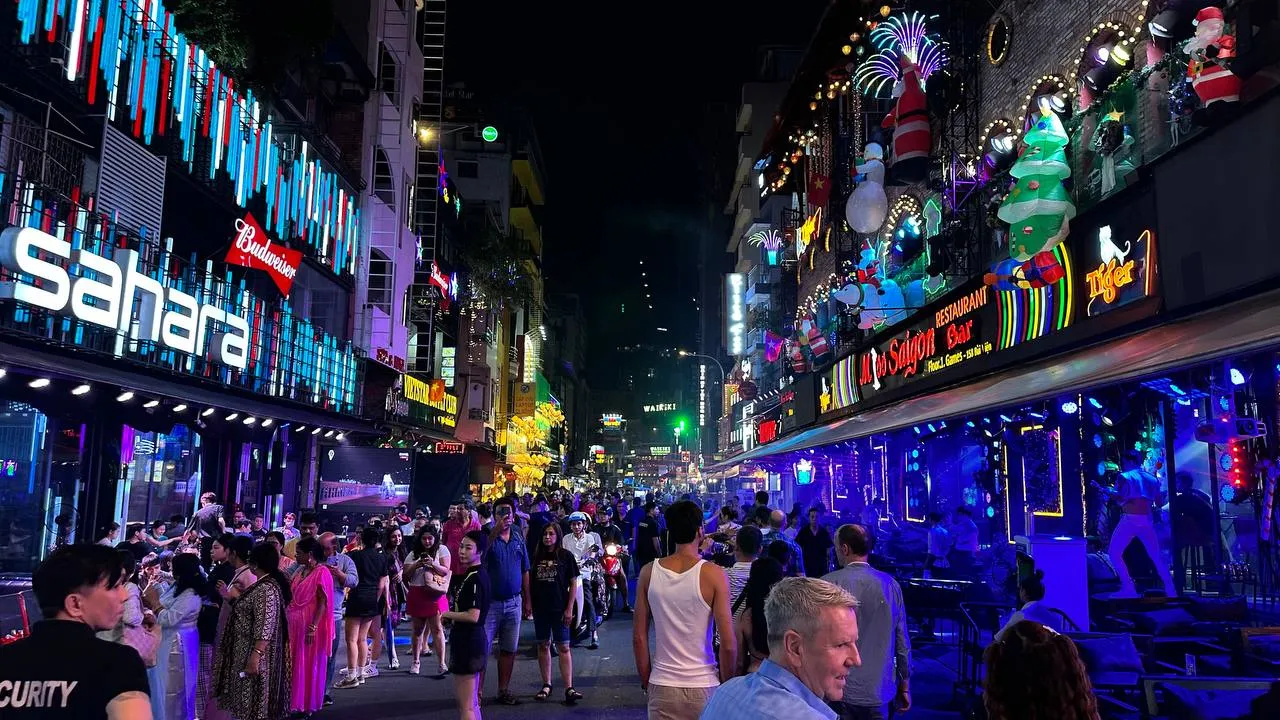
Using Vietnamese Phrases in Specific Situations
Now that you have a foundation in greetings and courtesies, the real magic happens when you apply these vietnamese phrases in everyday scenarios. Canadian travelers often hesitate because they fear misunderstandings, but mastering a few targeted words transforms markets and restaurants into playgrounds of connection. Whether you’re ordering a steaming bowl of phở or haggling for a silk scarf, these vietnamese phrases make you feel capable and welcomed. Let’s explore two common situations where a little language goes a long way.
Ordering Food and Drinks
When you step into a local eatery, start with “Cho tôi xem thực đơn” (chaw toy sem thuk duhn) – “Please show me the menu.” If you have dietary needs, say “Tôi không ăn thịt” (toy khong an thit) for “I don’t eat meat,” or “Tôi dị ứng với đậu phộng” (toy dee ung voi dau phong) for “I am allergic to peanuts.” These vietnamese phrases help you avoid unpleasant surprises while showing respect for the chef’s craft.
Once you decide, order confidently with “Cho tôi một tô phở” (chaw toy mot to fuh) – “Please give me one bowl of phở.” Pair it with a smile and a “Cảm ơn” after the dish arrives. Vendors often test you with a friendly question, and if you don’t understand, simply say “Tôi không hiểu” (toy khong hieu) – “I don’t understand.” The key is to stay relaxed; locals appreciate the effort and will often repeat themselves slowly.
Practice these vietnamese phrases at a street stall and notice how the vendor’s demeanor shifts – they become more patient, even eager to explain the ingredients. Canadians tell us this simple act of ordering in Vietnamese makes the food taste better, because it comes with a story. Don’t forget to ask about the dish: “Món này có gì?” (mon nay co gi) – “What is in this dish?” It turns a meal into a conversation.
If you feel unsure about food vocabulary, we can help you prepare a personalized phrase list for your trip. Contact us on WhatsApp at wa.me/84965251618 or wa.me/84989248646, or email [email protected] or [email protected]. Let us ensure you never miss a delicious bite.
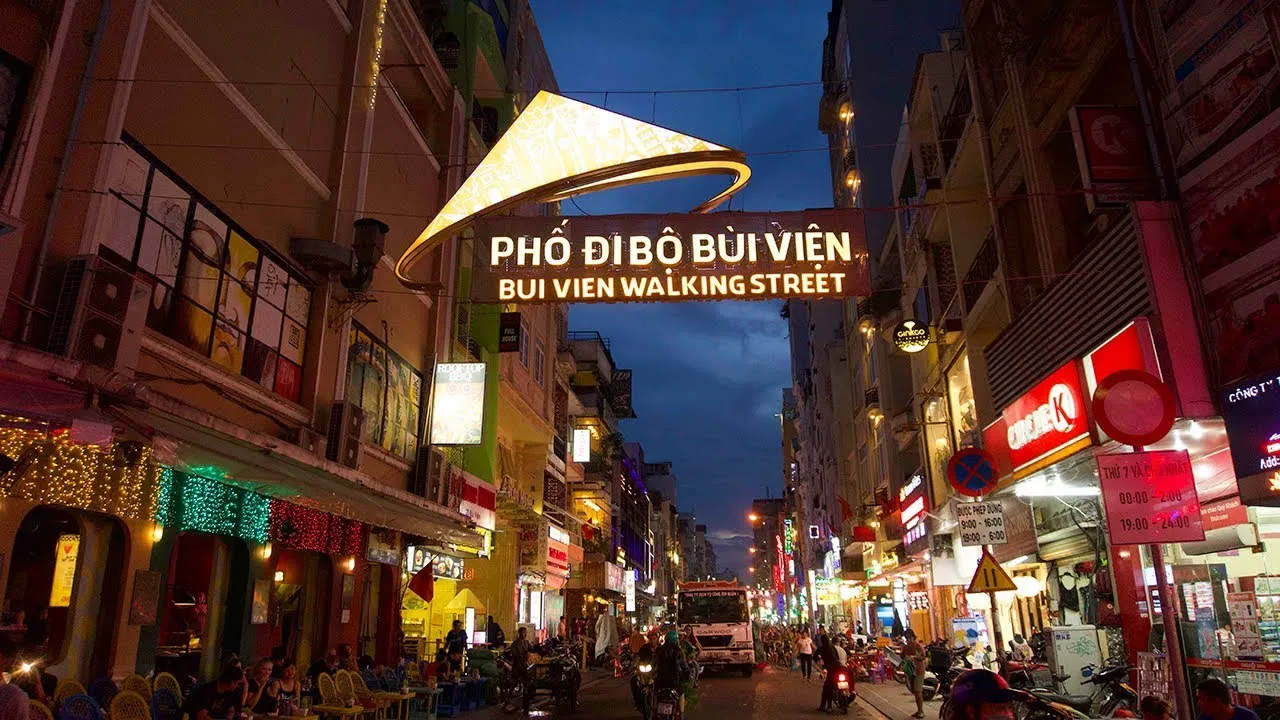
Bargaining in Markets
Markets are where your vietnamese phrases truly shine. Start by asking “Bao nhiêu tiền?” (bao nyew tien) – “How much is this?” The vendor will say a number, often higher for tourists. Then counter with “Đắt quá! Giảm giá được không?” (dat qua! zam za duoc khong) – “Too expensive! Can you discount?” This shows you understand the game and respect local customs.
Use “Mắc quá, tôi không mua đâu” (mak qua, toy khong mua dou) – “Too pricey, I won’t buy” if the price stays high. Often the vendor will lower it. If you reach a fair price, conclude with “Được, tôi lấy cái này” (duoc, toy lay cai nay) – “Okay, I’ll take this.” These vietnamese phrases demonstrate knowledge and turn bargaining into a playful exchange rather than an awkward confrontation.
Remember to keep your tone friendly and smile – a frown ruins the fun. If you feel overwhelmed, just say “Tôi cần suy nghĩ thêm” (toy can suy nghi them) – “I need to think more.” This gives you an exit without pressure. Canadians who practice these vietnamese phrases often get better deals and leave the market feeling like they truly connected, not just purchased souvenirs.
Want to master market bargaining before you arrive? Our team can share insider tips tailored to your itinerary. Reach out on WhatsApp at wa.me/84965251618 or wa.me/84989248646, or email [email protected] or [email protected]. We’re here to make your market experience as smooth as silk.
Now that you know how to order and bargain, you might wonder how locals will respond when you use these vietnamese phrases. Rest assured, most will speak slowly and use simple English to help you. The effort you make is always rewarded with patience and warmth.

Frequently Asked Questions
Is it necessary to learn Vietnamese phrases before going to Vietnam?
No, but it greatly enhances your experience. Locals appreciate even basic vietnamese phrases, and they help you navigate food and markets with confidence. Many Canadians find that a few words make interactions more meaningful.
What if I can’t pronounce the tones correctly?
Don’t worry – effort matters more than perfection. Locals are used to tourists and will understand your intent. Practicing aloud and listening to native speakers online can help, but a smile carries any mispronunciation.
How many Vietnamese phrases do I really need to know?
About ten vietnamese phrases cover greetings, thanks, apologies, and basic ordering. That’s enough to make a positive impression. Focus on quality over quantity, and expand as you travel.
Will locals reply in Vietnamese or switch to English?
Many will mix both. If they see you trying, they often respond in simple English or gestures. The beauty lies in the shared effort – your vietnamese phrases invite a bilingual dance that deepens connection.

Conclusion
Learning vietnamese phrases is your passport to authentic travel in Vietnam. From a humble “Xin chào” to a spirited “Bao nhiêu tiền?”, each word you speak builds bridges between your Canadian heart and the warm soul of this country. The memories you create – sharing a laugh over a mispronounced word, or securing a deal with a smile – will linger far longer than any souvenir.
We invite you to dive deeper with our complete resource on vietnamese phrases. Our team at vietnamtour.travel is passionate about helping you feel prepared. Whether you need a customized phrase list or a curated itinerary that includes language-friendly encounters, we are just a message away.
We can’t wait to help you start your journey. Reach out today on WhatsApp at +84 965251618 / +84 989248646 or email [email protected] / [email protected]. Let’s turn your Vietnam dream into a reality filled with connection, joy, and a few perfectly spoken vietnamese phrases.
Ready to plan your Vietnam trip?
Our specialists are available 7 days a week. Share your travel dates and we will design your itinerary promptly.
WhatsApp: +84 965251
Plan Your Vietnam Trip
Get a free tailor-made itinerary within 24 hours — no obligation.
WhatsApp Us Now