Agricultural Tourism in Viet Nam: Discover Unique Farming Experiences and Local Culture
Agricultural Tourism in Viet Nam is an emerging field that invites both domestic and international tourists to experience the rural charm of this vibrant country while engaging with its rich agricultural heritage. As travelers seek immersive experiences and sustainable tourism options, Vietnam presents a unique opportunity for exploration beyond the bustling cities and renowned cultural sites.
Table of Contents

Introduction to Agricultural Tourism in Vietnam
In recent years, agricultural tourism in Vietnam has gained traction as an innovative approach to explore the country’s agrarian landscapes. This form of tourism not only highlights the beauty of rural life but also plays a critical role in supporting local economies and preserving traditional agricultural practices.
Definition and Concept of Agricultural Tourism
Agricultural tourism can be defined as a type of tourism that focuses on visiting agricultural areas, interacting with local farmers, and gaining firsthand insight into farming practices. It encompasses a wide array of activities such as farm stays, fruit-picking, livestock tours, and educational workshops.
Through agritourism in Vietnam, visitors are offered a comprehensive look at the agriculture industry in Vietnam, allowing them to engage with local customs, learn about crop production, and appreciate the significance of agriculture in shaping the nation’s culture and economy.
Historical Development and Origins in Vietnam
The roots of agricultural tourism in Vietnam can be traced back to the early 2000s when rural development initiatives began to gain importance. Recognizing the potential for sustainable tourism, local governments and communities started promoting their agricultural assets to both domestic and international markets.
As a result, regions famous for their rice paddies, coffee plantations, and fruit orchards began to embrace tourism as a means of supplementing income and revitalizing rural areas. Today, agricultural tourism in Vietnam reflects a blend of tradition and modernization, providing visitors with authentic experiences.
Significance for Rural Communities and Economic Growth
The rise of agricultural tourism has proven to be significant for rural communities across Vietnam. By opening their doors to tourists, local farmers can diversify their income sources and reduce reliance on traditional agricultural methods. This shift contributes to economic growth while fostering community pride and cultural preservation.
Moreover, the influx of visitors can stimulate demand for local products, creating new markets for farmers. This symbiotic relationship between tourism and agriculture serves as a catalyst for rural development, making it essential for governments and organizations to support and promote agricultural tourism initiatives.
The Current State of Agricultural Tourism in Vietnam
Vietnam’s landscape is incredibly diverse, providing numerous opportunities for agricultural tourism. While some regions have become well-known tourist destinations, others are still emerging and feature unexplored agricultural treasures.
Key Regions and Popular Destinations
Several regions stand out for their contributions to agricultural tourism in Vietnam:
- Mekong Delta: Known for its lush landscapes, floating markets, and exotic fruits, the Mekong Delta offers a plethora of agricultural experiences. Visitors can participate in boat tours through the canals, exploring local farms and tasting fresh produce.
- Central Highlands: Renowned for its coffee and tea plantations, this region attracts tourists interested in learning about the coffee-making process. Travelers can indulge in tastings while enjoying stunning mountainous views.
- Northern Plains: Home to iconic rice terraces in places like Mu Cang Chai, this region showcases the breathtaking beauty of traditional farming methods. Adventurous tourists can hike through the fields and interact with local ethnic minority communities.
With increasing awareness about the impact of tourism and agriculture, these regions are beginning to implement strategies that promote sustainability while enhancing visitor experiences.
Types of Agricultural Activities Offered to Tourists
Visitors to Vietnam can experience a wide range of agricultural activities that allow them to engage directly with local cultures. Some popular activities include:
- Farm Tours: Guided visits to local farms where tourists can observe daily operations and learn about various crops and farming techniques.
- Fruit Picking: Many orchards invite visitors to pick their own fruits, creating a hands-on experience that fosters a connection with nature and local food sources.
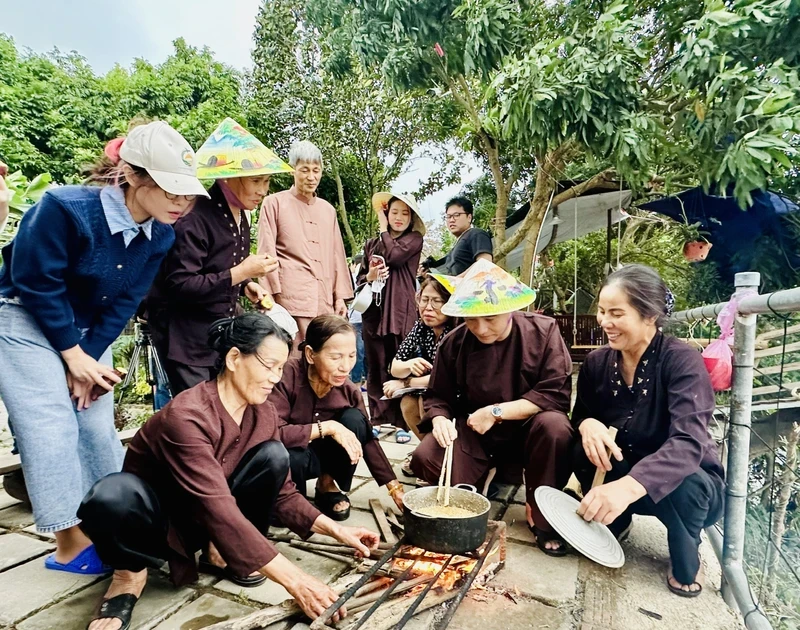
- Cooking Classes: Engaging cooking classes often incorporate fresh ingredients harvested from local farms, allowing tourists to explore Vietnamese cuisine while supporting local producers.
Through these diverse offerings, agricultural tourism in Vietnam helps bridge the gap between producers and consumers, encouraging appreciation for the hard work behind food production.
Visitor Demographics and Trends
As interest in sustainable travel continues to grow, the demographics of visitors engaging in agricultural tourism are shifting. Young travelers, families, and eco-conscious individuals make up a significant portion of this market. They are drawn to experiences that foster deeper connections with local communities, environmental stewardship, and authentic cultural exchange.
Tourism statistics show a consistent increase in visitors seeking agritourism experiences. Social media platforms and travel blogs have played a pivotal role in promoting these experiences, encouraging more travelers to explore Vietnam’s rural charm.
Major Agricultural Products Promoting Tourism
Vietnam is known for a wide variety of agricultural products that attract tourists. These products not only contribute to the economy but also enhance the agricultural tourism experience.
Rice Cultivation and Paddy Field Tours
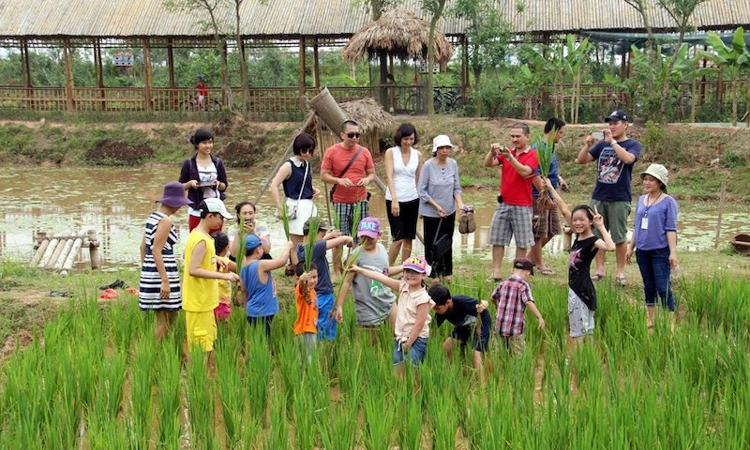
Rice is the staple food of Vietnam and a key agricultural product that represents the country’s cultural identity. Visitors can take guided tours of picturesque paddy fields, where they can witness the intricate processes involved in rice cultivation.
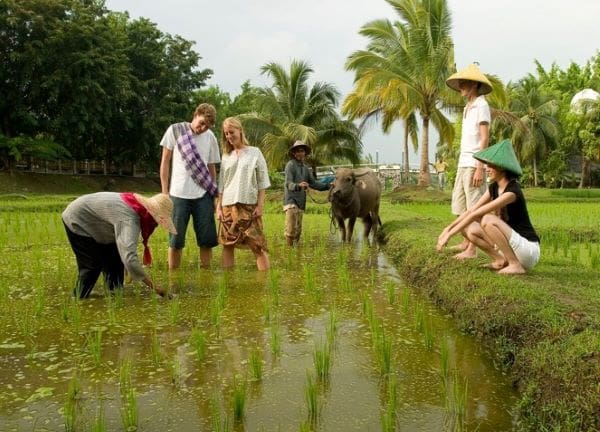
During these tours, tourists may have the chance to participate in planting or harvesting rice alongside local farmers, gaining insights into traditional farming practices. Additionally, the scenic beauty of green rice terraces, particularly in areas like Sapa and Mu Cang Chai, draws photographers and nature lovers alike.
Fruit Orchards and Berry Picking Experiences
Vietnam is blessed with a diverse range of tropical fruits including mangoes, lychees, rambutan, and dragon fruit. Many regions offer fruit orchard tours, allowing visitors to taste fresh fruits straight from the trees.
Berry picking experiences, especially in the cooler regions like Dalat, provide tourists with a delightful way to connect with local agriculture. Not only do these activities promote local fruit cultivation, but they also encourage sustainability by reducing the carbon footprint associated with transporting products over long distances.
Coffee and Tea Plantation Tours
Vietnam is one of the largest coffee producers in the world, with the Central Highlands being the primary cultivation area. Coffee plantation tours offer visitors the opportunity to learn about the coffee production process, from bean cultivation to brewing.
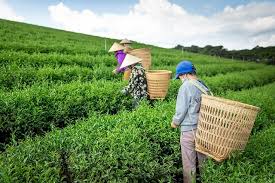
Tourists can participate in tastings, savoring different brews made from locally grown beans. Similarly, tea plantation tours in northern provinces introduce visitors to the delicate art of tea production while showcasing stunning green landscapes.
Aquaculture and Fish Farming Attractions
Aquaculture forms a substantial part of Vietnam’s agriculture industry. Coastal regions present opportunities for tourists to explore fish farms and learn about sustainable fishing practices.
Visitors can engage in activities like shrimp harvesting or clam collecting, providing a unique perspective on Vietnam’s maritime resources. Such experiences promote awareness of environmental conservation while supporting local fishermen.
Organic Farming and Sustainable Agriculture Initiatives
With an increasing focus on health and sustainability, organic farming has gained significant popularity in Vietnam. Many farms now offer tours focusing on organic practices, educating visitors about environmentally friendly methods of cultivation.
These tours enable tourists to experience the benefits of organic produce firsthand while supporting local farmers committed to sustainable agriculture. As more people become aware of the importance of healthy food systems, organic farming experiences will likely continue to thrive.
Features and Unique Selling Points of Vietnamese Agricultural Tourism
Vietnam’s agricultural tourism offers several distinct features and unique selling points that set it apart from other destinations.
Cultural Heritage and Traditional Farming Practices
One of the most compelling aspects of agricultural tourism in Vietnam is the opportunity to witness traditional farming practices that have been passed down through generations. Tourists can learn about indigenous crop varieties and ancient farming techniques that reflect the richness of Vietnam’s cultural heritage.
Experiencing these traditional practices fosters respect for local customs while promoting cultural preservation. Local farmers proudly share their knowledge, contributing to a deeper understanding of Vietnam’s agricultural legacy.
Integration of Local Cuisine and Food Tasting
Food holds a central place in Vietnamese culture, and agricultural tourism provides ample opportunities for culinary exploration. Farm-to-table dining experiences allow visitors to savor dishes made from freshly harvested ingredients.
Through cooking classes and food tasting sessions, travelers gain insight into the significance of local produce in Vietnamese cuisine. This integration enhances the overall experience, creating lasting memories tied to the region’s culinary delights.
Eco-friendly and Sustainable Tourism Practices
As global consciousness shifts towards sustainability, Vietnamese agricultural tourism emphasizes eco-friendly practices. Many farms implement sustainable methods, minimizing environmental impact while maximizing productivity.
Additionally, tourists are encouraged to adopt responsible behaviors, such as reducing waste and respecting natural ecosystems. These efforts not only promote conservation but also ensure that future generations can enjoy Vietnam’s agricultural treasures.
Hands-on Agricultural Activities for Visitors
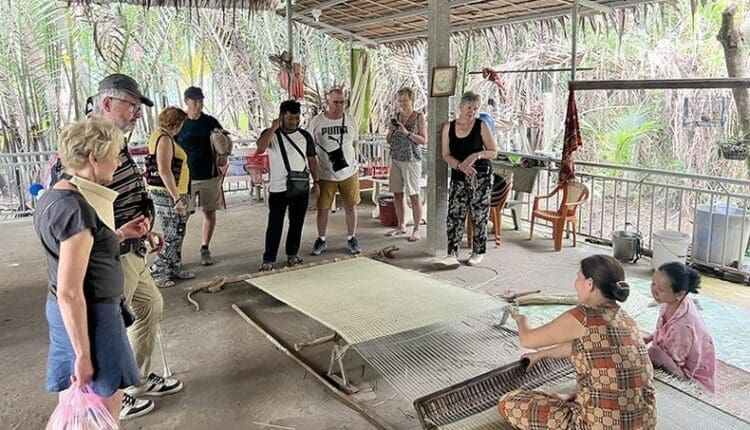
Active participation in agricultural activities is a defining characteristic of agritourism in Vietnam. Tourists have the chance to roll up their sleeves and engage in everything from planting to harvesting and cooking.
These hands-on experiences create personal connections to the land and the food produced, fostering an appreciation for the hard work and dedication farmers invest in their livelihoods. The resulting interactions enrich the tourism experience, encouraging repeat visits and positive word-of-mouth.
Infrastructure and Facilities Supporting Agricultural Tourism
To fully realize the potential of agricultural tourism in Vietnam, infrastructure and facilities must be developed to accommodate visitors’ needs.
Accommodation Options Near Farm Areas
Rural accommodations are vital for enhancing the agricultural tourism experience. Options vary from traditional homestays in local villages to boutique hotels in proximity to farms.
Staying close to farming areas allows tourists to immerse themselves in the local lifestyle while supporting community businesses. Such experiences often come with the added benefit of homemade meals prepared using fresh, local ingredients.
Transportation and Accessibility Challenges
Despite its potential, transportation remains a challenge for agricultural tourism in Vietnam. Many rural areas lack adequate public transport links, making it difficult for tourists to access agricultural sites.
Improvements in transportation infrastructure, such as better roads and connectivity, would facilitate easier access to popular agricultural destinations. Collaborative efforts between local authorities and tourism operators are necessary to create reliable transport solutions.
Tourist Information and Support Services
Access to accurate information is crucial for enhancing visitor experiences. Effective tourist information centers located in key agricultural regions can provide guidance on local attractions, activities, and accommodations.
Additionally, training programs for local tour guides would ensure that visitors receive valuable insights into the agricultural practices and cultural contexts they encounter. Enhanced support services would bolster the reputation of agricultural tourism in Vietnam, drawing more tourists to rural areas.
Government Policies and Incentives for Agricultural Tourism
Government support is instrumental in developing and promoting agricultural tourism within Vietnam.
National Strategies for Rural and Agricultural Development
Recognizing the potential of agricultural tourism, the Vietnamese government has implemented national strategies aimed at rural and agricultural development. These policies focus on enhancing infrastructure, diversifying income sources, and preserving cultural heritage.
By prioritizing agricultural tourism in strategic planning, authorities can create a conducive environment for growth while benefiting rural communities economically and socially.
Financial Support and Grants for Farmers and Entrepreneurs
Financial incentives play a crucial role in encouraging farmers and entrepreneurs to engage in agritourism. Access to grants and low-interest loans can help fund improvements in facilities, marketing efforts, and training programs.
Providing financial support enables farmers to invest in their businesses and develop unique experiences for tourists. Such initiatives can drive innovation and elevate the quality of agricultural tourism offerings.
Regulations and Certification Standards to Ensure Quality
Establishing regulations and certification standards is essential for maintaining the quality of agricultural tourism experiences. Clear guidelines can help ensure that tours meet safety, ethical, and environmental standards.
By implementing certification programs for farms and tour operators, the government can build trust with tourists, promoting higher satisfaction levels and encouraging repeat visits.
Benefits and Opportunities of Agricultural Tourism
Agricultural tourism presents a wealth of benefits for local communities, the environment, and tourists alike.
Economic Benefits for Local Farmers and Communities
By participating in agricultural tourism, local farmers can generate additional income, leading to economic diversification. This supplemental revenue stream can alleviate poverty and improve living standards in rural areas.
As communities develop agritourism, increased foot traffic can also benefit local businesses, including restaurants, shops, and artisans. This economic interdependence creates a thriving rural ecosystem.
Preservation of Cultural Heritage and Traditional Practices
Engaging with agricultural tourism helps preserve cultural heritage and traditional farming practices. Tourists who value authenticity may be inclined to support initiatives that protect local customs and traditions.
By sharing their stories and expertise, farmers contribute to cultural preservation while establishing a sense of pride in their heritage. This dynamic interaction enriches the tourism experience for both visitors and hosts.
Environmental Conservation and Sustainable Use of Resources
Promoting agricultural tourism aligns with broader goals of environmental conservation. Many farms practice sustainable farming techniques that minimize negative impacts on the environment.
Visitors who engage with these practices leave with a greater understanding of the importance of responsible resource management. By fostering environmental awareness, agricultural tourism encourages a collective responsibility for protecting the ecosystem.
Enhancement of Rural Livelihoods and Poverty Reduction
Agricultural tourism serves as a pathway for enhancing rural livelihoods. By connecting farmers with tourists, communities can create job opportunities, boost incomes, and reduce reliance on traditional agriculture.
Furthermore, through education and awareness, tourists may advocate for policies that support rural development and poverty alleviation efforts. This transformative potential makes agricultural tourism a powerful tool for social change.
Challenges Facing Agricultural Tourism in Vietnam
While the prospects for agricultural tourism are promising, several challenges must be addressed to facilitate growth and sustainability.
Infrastructure Deficiencies and Logistics Issues
Infrastructure deficiencies remain a significant obstacle to agricultural tourism expansion. Poor road conditions, limited public transportation, and inadequate facilities can deter potential visitors.
Efforts to improve logistics, including transportation networks and accommodations, will be critical for enhancing accessibility to agricultural regions. Addressing these issues will pave the way for increased tourist arrivals.
Lack of Skilled Human Resources and Training
The success of agricultural tourism relies heavily on having skilled human resources. However, many rural areas face a shortage of trained professionals who understand the nuances of tourism and agriculture.
Developing training programs for local stakeholders, including farmers and tour operators, is essential for ensuring high-quality experiences. Empowering communities with knowledge can transform the landscape of agricultural tourism.
Marketing and Promotion Barriers
Effective marketing and promotion are vital for attracting tourists to agricultural regions. However, many rural areas struggle to compete with well-established urban destinations.
Utilizing digital marketing strategies and collaborating with travel agencies can help promote agricultural tourism experiences. By leveraging social media platforms and influencer partnerships, rural destinations can reach a broader audience.
Climate Change and Seasonal Limitations
Climate change poses a significant threat to agricultural production and tourism. Extreme weather events, shifting growing seasons, and unpredictable climate patterns can disrupt farming practices and tourist experiences.
Local communities must adapt to these changes by implementing resilient agricultural practices. Collaborating with environmental organizations can lead to innovative solutions that address the challenges posed by a changing climate.
Case Studies of Successful Agricultural Tourism Projects in Vietnam
Several successful agricultural tourism projects in Vietnam demonstrate the potential for growth and innovation in this sector.
Mu Cang Chai – Rice Terraces and Eco-Tourism
Located in the northern mountains, Mu Cang Chai is famous for its stunning rice terraces. The area has embraced eco-tourism, inviting visitors to explore its breathtaking landscapes while learning about traditional rice cultivation practices.
Farmers in Mu Cang Chai have developed homestay experiences, allowing tourists to stay with local families and participate in agricultural activities. This initiative supports local livelihoods while offering guests immersive cultural experiences.
Mekong Delta Floating Markets and Fruit Gardens
The Mekong Delta is well-known for its vibrant floating markets and lush fruit gardens. Tourists flock to this region to experience life on the water and taste the freshest fruits.
Local tour operators offer guided experiences that highlight the interplay between agriculture and tourism. These tours not only showcase the region’s agricultural bounty but also promote sustainable practices and support local economies.
Dalat Flower Farms and Organic Vegetable Tours
Dalat, often referred to as the “City of Eternal Spring,” boasts beautiful flower farms and organic vegetable production. The region has leveraged its unique climate to create diverse agricultural experiences.
Tourists can visit flower farms, participate in organic vegetable harvesting, and attend workshops on sustainable farming practices. This focus on organic agriculture attracts eco-conscious travelers looking for authentic experiences.
Ha Giang – Ethnic Minority Villages and Farming Tours
Ha Giang is home to various ethnic minority groups, each with unique farming practices and traditions. Agricultural tourism initiatives in this region provide visitors with the opportunity to engage with local communities while learning about their agricultural heritage.
Cultural exchanges and farming tours foster mutual understanding and respect between tourists and locals. The promotion of ethnic minority cultures through agritourism strengthens cultural preservation efforts and encourages sustainable tourism development.
Strategies for Developing and Promoting Agricultural Tourism
To capitalize on the potential of agricultural tourism, a collaborative approach involving various stakeholders is essential.
Collaboration between Local Governments and Private Sector
Public-private partnerships can drive the development of agricultural tourism in Vietnam. Local governments should collaborate with private sector players, including farmers, tour operators, and NGOs, to create comprehensive strategies that address community needs.
Working together, stakeholders can identify shared goals and design initiatives that maximize benefits for all involved. This collaboration can enhance resource allocation and ensure that agricultural tourism thrives.
Digital Marketing and Online Platforms for Promotion
Embracing digital marketing is crucial for reaching a wider audience. Utilizing social media, websites, and online travel platforms can effectively promote agricultural tourism experiences.
Creating visually appealing content that showcases the beauty of rural landscapes and engaging agricultural activities can attract potential visitors. Harnessing technology to create virtual tours or interactive experiences can further captivate audiences.
Training Programs for Local Stakeholders
Investing in training programs for local stakeholders is essential for enhancing the quality of agricultural tourism experiences. Workshops can cover various topics such as hospitality, guiding techniques, sustainable farming practices, and marketing skills.
Equipping local communities with knowledge empowers them to deliver exceptional experiences for tourists while preserving their agricultural heritage. Continuous education can foster innovation and adaptability within the industry.
Creating Package Tours and Experiential Travel Packages
Developing package tours that combine multiple agritourism experiences allows visitors to explore various aspects of Vietnam’s agriculture industry. These packages can incorporate farm stays, educational workshops, and culinary experiences.
Collaborating with tour operators to design curated itineraries can enhance the appeal of agricultural tourism. Highlighting unique experiences, such as hands-on farming activities or cultural exchanges, can attract diverse traveler demographics.
Future Perspectives and Trends in Vietnamese Agricultural Tourism
The future of agricultural tourism in Vietnam looks promising as it continues to evolve in response to changing traveler preferences and market dynamics.
Integration with Eco-tourism and Cultural Tourism
The convergence of agricultural tourism with eco-tourism and cultural tourism offers exciting possibilities. Travelers increasingly seek experiences that promote sustainability, cultural immersion, and connection with nature.
Integrating agricultural tourism with eco-friendly practices and cultural experiences can attract a broader audience. This approach not only enriches visitor experiences but also contributes to meaningful community development.
Use of Technology and Smart Farming Demonstrations
Technological advancements are reshaping the agricultural landscape, and integrating smart farming practices into tourism can enhance visitor engagement. Demonstrating innovative farming techniques, such as hydroponics or vertical farming, can attract tech-savvy travelers.
Virtual reality experiences that showcase advanced farming practices can provide educational opportunities for visitors while promoting sustainable agriculture. By incorporating technology, agricultural tourism can stay relevant and appealing to evolving consumer interests.
Focus on Responsible and Community-based Tourism
As travelers become more conscious of their environmental impact, there is a growing emphasis on responsible tourism. Agricultural tourism can lead the way in promoting community-based approaches that prioritize local involvement and benefit-sharing.
Encouraging visitors to engage with local communities respectfully and responsibly will foster authentic experiences and encourage sustainable practices. This focus on responsible tourism ensures the longevity of agricultural tourism while positively impacting rural communities.
Potential Impact of Global Tourism Trends and Preferences
Global tourism trends are continuously evolving, and agricultural tourism in Vietnam must adapt to meet the demands of modern travelers. With an increasing emphasis on experiential travel, wellness, and sustainability, agricultural tourism is well-positioned to meet these preferences.
As travelers seek unique and meaningful experiences, Vietnam’s agricultural landscapes can serve as an attractive alternative to traditional tourist attractions. By catering to these trends and highlighting the unique offerings of agricultural tourism, Vietnam can establish itself as a premier destination for agritourism enthusiasts.
Conclusion Agricultural Tourism in Viet Nam
In conclusion, agricultural tourism in Vietnam emerges as a multifaceted and dynamic sector that offers numerous benefits for local communities, the environment, and tourists. Through its unique blend of rich cultural heritage, sustainable practices, and hands-on activities, it creates meaningful connections between travelers and local farmers. While challenges exist, proactive measures and collaborative efforts among stakeholders can propel agricultural tourism into a bright future. By embracing the charm of rural life and fostering sustainable growth, Vietnam can redefine its tourism landscape, ensuring that the fruits of its labor nourish both the land and its people.
Amidst countless options, you are probably looking for a travel company that truly understands Vietnam to turn your dream of exploring this S-shaped land into a reality. We, a local travel company in the heart of Vietnam, are proud to be natives of this land, carrying within us a love and deep understanding of every corner and every unique cultural aspect. Different from international travel companies, we don’t just offer tours; we share the most authentic and intimate experiences with Vietnamese life and people. You will discover famous destinations such as the majestic Ha Long Bay, the poetic ancient town of Hoi An, or the serene Imperial City of Hue from a local’s perspective
We understand that when setting foot in a foreign country, dedicated and timely support is extremely important. Therefore, our support team is always ready 24/7 throughout your journey in Vietnam, answering all your questions and assisting you in every situation. Moreover, with full licenses to organize domestic and international tours issued by the Vietnamese government, you can be completely assured of our prestige and service quality. Contact us today for the most professional and dedicated consultation, and let’s plan an unforgettable and complete trip to Vietnam together
At Vietnamtour.travel, we’re dedicated to making your journey seamless and memorable. We offer a comprehensive range of services, including Hotel booking, Car rental, Visa assistance, and Airport fast-track services, ensuring all your travel needs are covered.
Beyond the essentials, we specialize in a diverse array of tourism types tailored to your interests. Whether you’re looking for a Private, custom-designed tour, a relaxing Beach and island getaway, an enriching Cultural exploration, the vibrant energy of Urban tourism, or an authentic Agricultural and rural experience, we have something for everyone. We also expertly handle MICE tourism (Meetings, Incentives, Conferences, Exhibitions), providing professional solutions for corporate events.
Contact Us Now Agricultural Tourism in Viet Nam
WhatsApp 1 : +84 965 251 618
WhatsApp 2 : +84 989 248 646
Email: info@vietnamtour.travel
support@vietnamtour.travel
Website: www.vietnamtour.travel
• Hanoi Office: No. 3, Ngo 225 Luong The Vinh Street, Trung Van Ward, Nam Tu Liem District, Hanoi
• Ho Chi Minh City Office: Room 503, 5th Floor, C4 Building, Gia Khang Apartment Complex, 38 Street, Ward 14, Go Vap District, Ho Chi Minh City
Cultural Tourism Vietnam: Discover Unique Heritage and Traditions in Stunning Destinations
Explore Vietnam’s Stunning Beaches and Islands
Discovering the Charm of Hoi An Vietnam Beach – A Journey Through Culture and Nature
Unleashing Adventure and Culture Discover the Joy of Vietnam Bike Tours
Experience the Enchantment of the 4D3N Mekong Delta 6 Provinces Discovery Tour