Vietnam Tours for UAE Travelers
Cultural Tourism Vietnam: Discover Unique Heritage and Traditions in Stunning Destinations

Cultural Tourism Vietnam has gained significant attention as travelers seek immersive experiences that connect them to the local way of life. With a history stretching back thousands of years, Vietnam boasts a diverse cultural landscape shaped by its Cultural Tourism Vietnam, ancient traditions, and vibrant modern influences. This article explores the importance of cultural tourism in Vietnam, the historical depth of its cultural heritage, and the myriad attractions that draw visitors from around the globe.
Table of Contents
Introduction to Cultural Tourism Vietnam
Vietnam’s rich cultural tapestry is woven from the threads of various ethnic groups, historical events, and geographical diversity. The country’s unique blend of native customs with foreign influences creates an unparalleled experience for those interested in cultural tour Vietnam. From the bustling streets of Hanoi to the tranquil landscapes of Sapa, the essence of Vietnam lies in its ability to maintain traditional practices while adapting to modernity.
Cultural tourism in Vietnam plays a crucial role in the country’s economy. As travelers flock to explore local customs, culinary practices, and historical landmarks, they contribute not only to the livelihoods of the communities but also to the preservation of their cultural heritage. Understanding this relationship emphasizes the importance of sustainable tourism that respects and honors local identities.
Efforts to preserve and promote cultural identity are visible throughout Vietnam. The government, along with local communities, actively engages in safeguarding traditions while fostering tourism. By highlighting the significance of their unique cultures, Vietnam stands out as a thriving destination for those seeking authentic experiences.
Overview of Vietnam’s Rich Cultural Tapestry
Vietnam is often described as a microcosm of Southeast Asia due to its diverse ethnic makeup, comprising 54 recognized ethnic groups. Each group possesses its unique language, clothing, cuisine, and festivals, contributing to Vietnam’s collective identity. The interplay between these different cultures creates a rich cultural fabric that enhances the country’s appeal as a travel destination.
The geographic landscape varies from the mountainous terrain of the north to the lush deltas in the south, influencing cultural practices and lifestyles. For instance, the highlands are home to numerous ethnic minorities like the Hmong and Dao, each carrying distinctive traditions and beliefs. Meanwhile, coastal areas celebrate fishing and maritime culture, showcasing their connection to the sea.
Significance of Cultural Tourism in Vietnam’s Economy
Cultural tourism serves as an economic engine for Vietnam, boosting local businesses, creating jobs, and promoting regional development. As visitors immerse themselves in the local culture, they often support artisans, farmers, and small enterprises, thus ensuring economic sustainability.
In addition to generating revenue, cultural tourism fosters international understanding and appreciation for Vietnam’s rich history. It allows tourists to engage with locals, share stories, and participate in traditional activities, leading to a more profound respect for cultural differences.
Preservation and Promotion of Cultural Identity
To preserve Vietnam’s cultural heritage, various organizations, including the Vietnam Tourism Association, work towards enhancing awareness and facilitating partnerships between local communities and tourists. Programs aimed at cultural exchange enable travelers to participate in festivals, attend workshops, and learn about traditional crafts, keeping the spirit of Vietnam alive.
Moreover, initiatives focusing on education and training ensure that future generations continue to pass down cultural knowledge and skills. Through these efforts, Vietnam can maintain its identity while adapting to the changing trends in global tourism.
Historical Background of Cultural Tourism Vietnam Heritage
Vietnam’s cultural heritage is deeply rooted in its historical journey, marked by periods of prosperity and challenges. The legacy of ancient civilizations, colonial rule, and wars has left indelible marks on the cultural landscape, shaping who the Vietnamese people are today.
Ancient Civilizations and Their Contributions Cultural Tourism Vietnam
The origins of Vietnam date back to early civilizations such as the Dong Son culture, known for its advanced bronze metallurgy and agricultural practices. Archaeological findings reveal that the inhabitants engaged in rice cultivation, animal husbandry, and trade, laying the foundation for complex societal structures.
Over centuries, the indigenous tribes intermingled with settlers from China, bringing new philosophies, governance systems, and agricultural techniques. The introduction of Confucianism, Buddhism, and Taoism significantly influenced Vietnamese culture, further enriching the nation’s philosophical discourse.
Colonial Influences and Architectural Legacy Cultural Tourism Vietnam
Colonial rule, particularly the French occupation in the late 19th and early 20th centuries, had a profound impact on Vietnam’s architecture and urban planning. The French introduced European styles and infrastructure, resulting in a unique blend of Eastern and Western aesthetics. Cities like Hanoi and Ho Chi Minh City showcase stunning examples of colonial architecture, including grand boulevards, historic buildings, and charming cafes.
This architectural legacy continues to shape Vietnam’s character, attracting tourists eager to explore its vibrant history. By examining these structures, visitors can gain insights into the social dynamics of the time and appreciate how they have evolved.
The Impact of Wars on Cultural Sites
Vietnam’s tumultuous history, notably the Vietnam War, led to significant destruction of cultural sites and artifacts. Many temples, pagodas, and historic towns suffered irreparable damage during conflicts. However, with resilience and determination, Vietnam has worked tirelessly to restore and preserve these elements of cultural heritage.
The rebuilding of historical sites is not merely about restoration; it symbolizes healing and reconciliation. Today, many former war zones have transformed into cultural hubs, where visitors can learn about the past while celebrating the resilience of the Vietnamese people.
Key Cultural Destinations in Cultural Tourism Vietnam
Vietnam offers a wealth of cultural destinations that encapsulate the essence of its heritage. Each location showcases unique aspects of life in Vietnam, allowing travelers to experience different facets of its rich culture.
Hanoi: The Heart of Traditional Culture
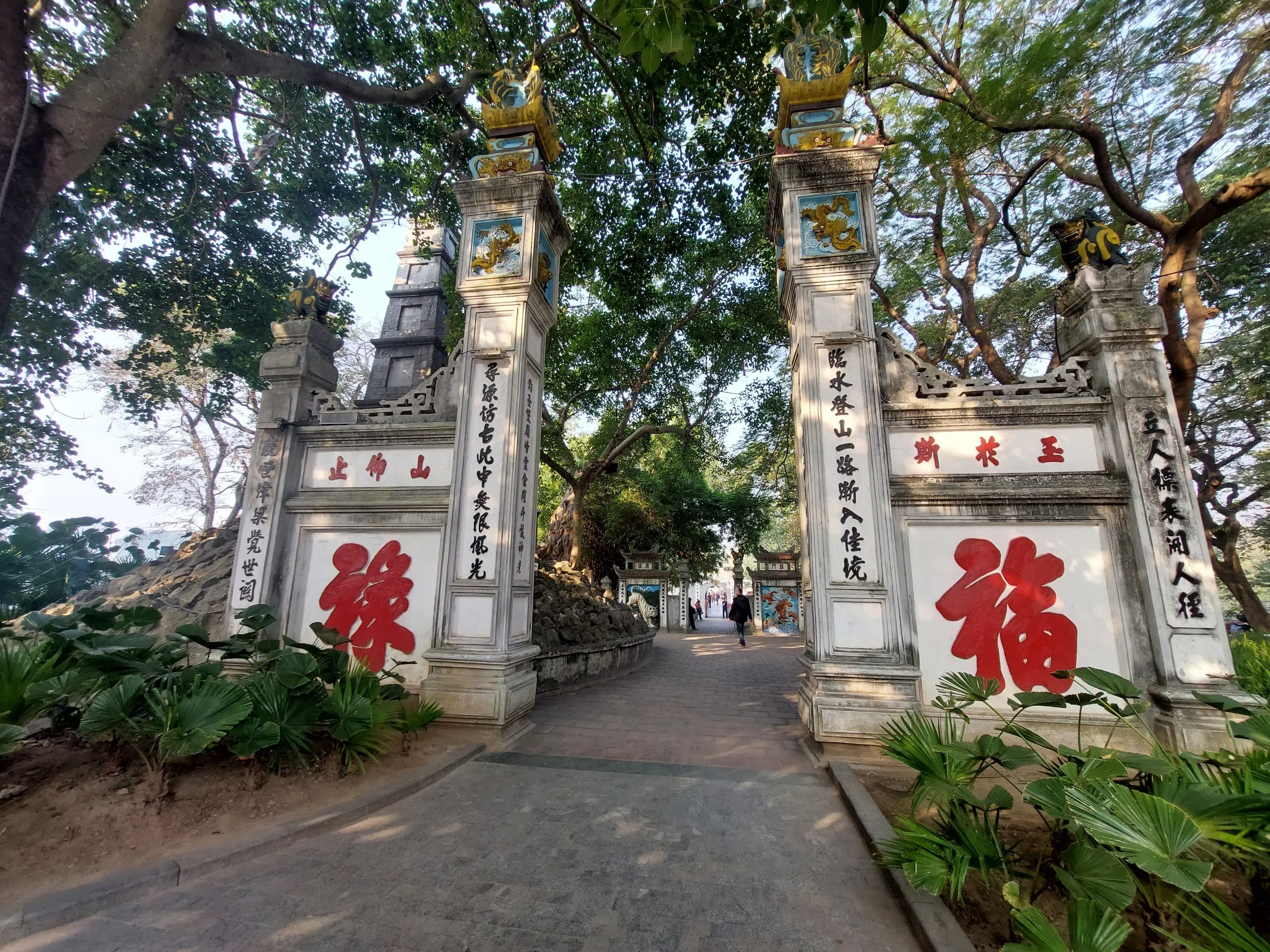
Hanoi, the capital city, is often considered the heart of Vietnam’s traditional culture. Its ancient streets, historic sites, and vibrant markets provide visitors with a glimpse into Vietnamese life.
The Old Quarter, with its narrow streets lined with shops selling handicrafts and street food, captures the spirit of local traditions. Visitors can sample iconic dishes such as Pho and Bun Cha while observing daily life unfold before them.
Ho Chi Minh City: A Fusion of Old and New
Ho Chi Minh City exemplifies Vietnam’s rapid modernization while retaining elements of its historical roots. The juxtaposition of modern skyscrapers against colonial-era buildings creates a unique urban landscape.
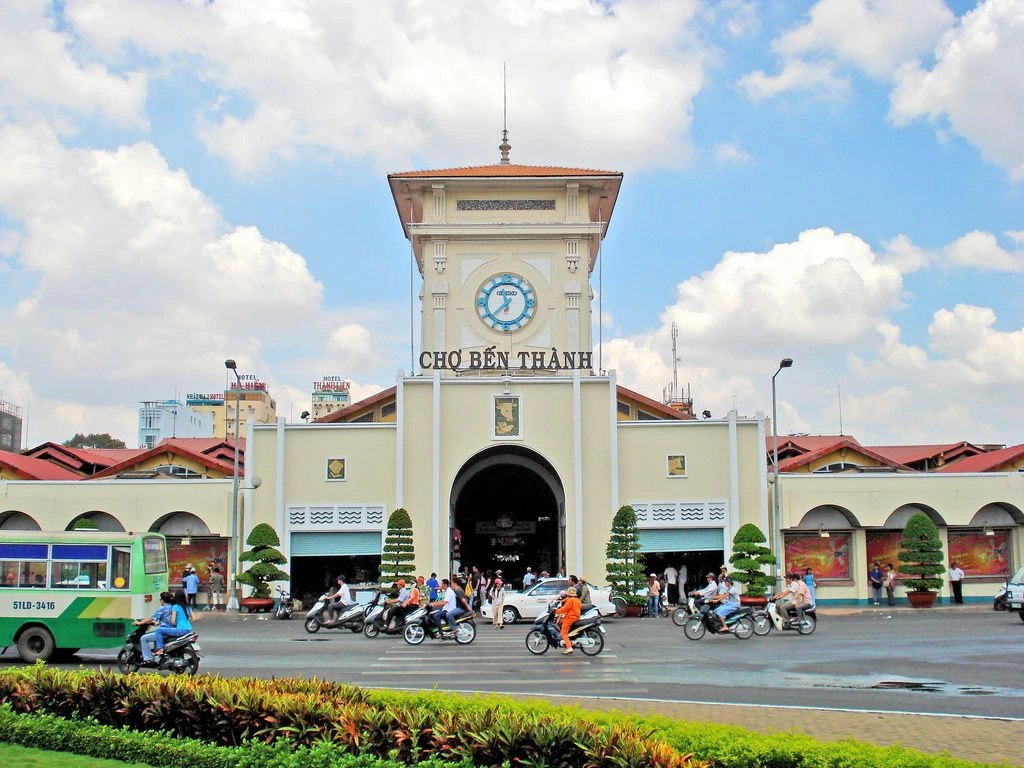
One cannot miss the Saigon Notre-Dame Basilica and the Central Post Office, both marvels of French architecture. In addition, the bustling Ben Thanh Market offers a sensory overload of sights, sounds, and flavors, making it a must-visit for anyone looking to experience Vietnamese culture firsthand.
Hue Imperial City: A UNESCO World Heritage Site
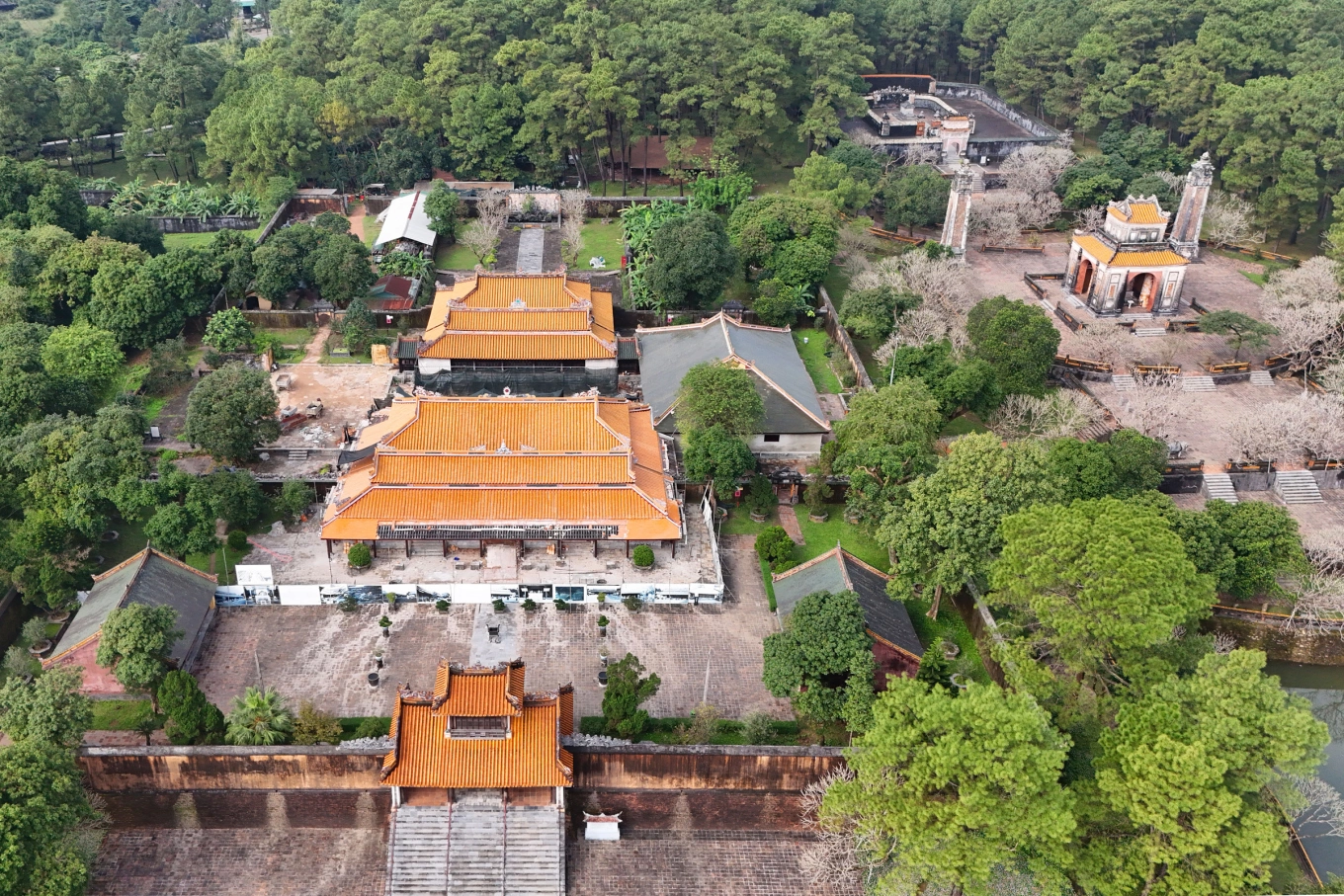
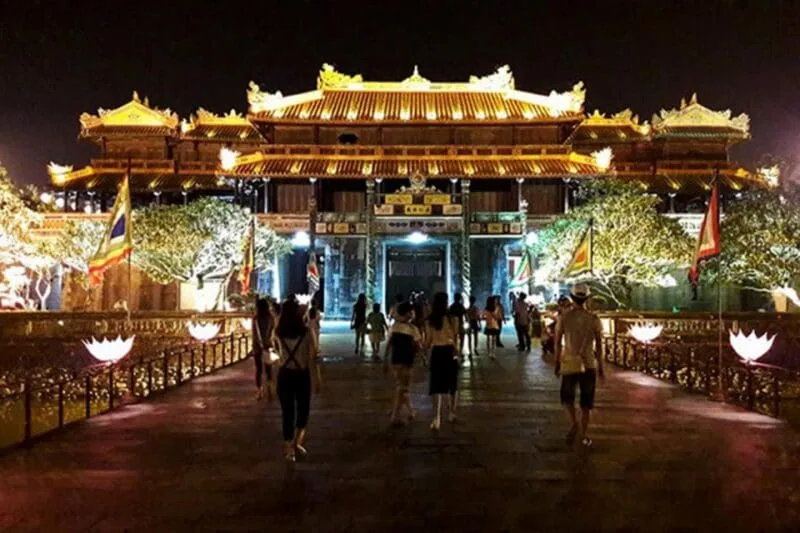
Hue, the former imperial capital, is a treasure trove of historical significance. Recognized as a UNESCO World Heritage Site, the Hue Imperial City reflects Vietnam’s regal past. The intricate architecture and layout of the citadel reveal the grandeur of the Nguyen Dynasty.
Visitors can explore the Forbidden Purple City, royal tombs, and ancient pagodas, providing insight into the lives of emperors and their subjects. The rich history encapsulated in Hue makes it a focal point for those interested in cultural heritage tourism in Vietnam.
Hoi An Ancient Town: A Living Museum
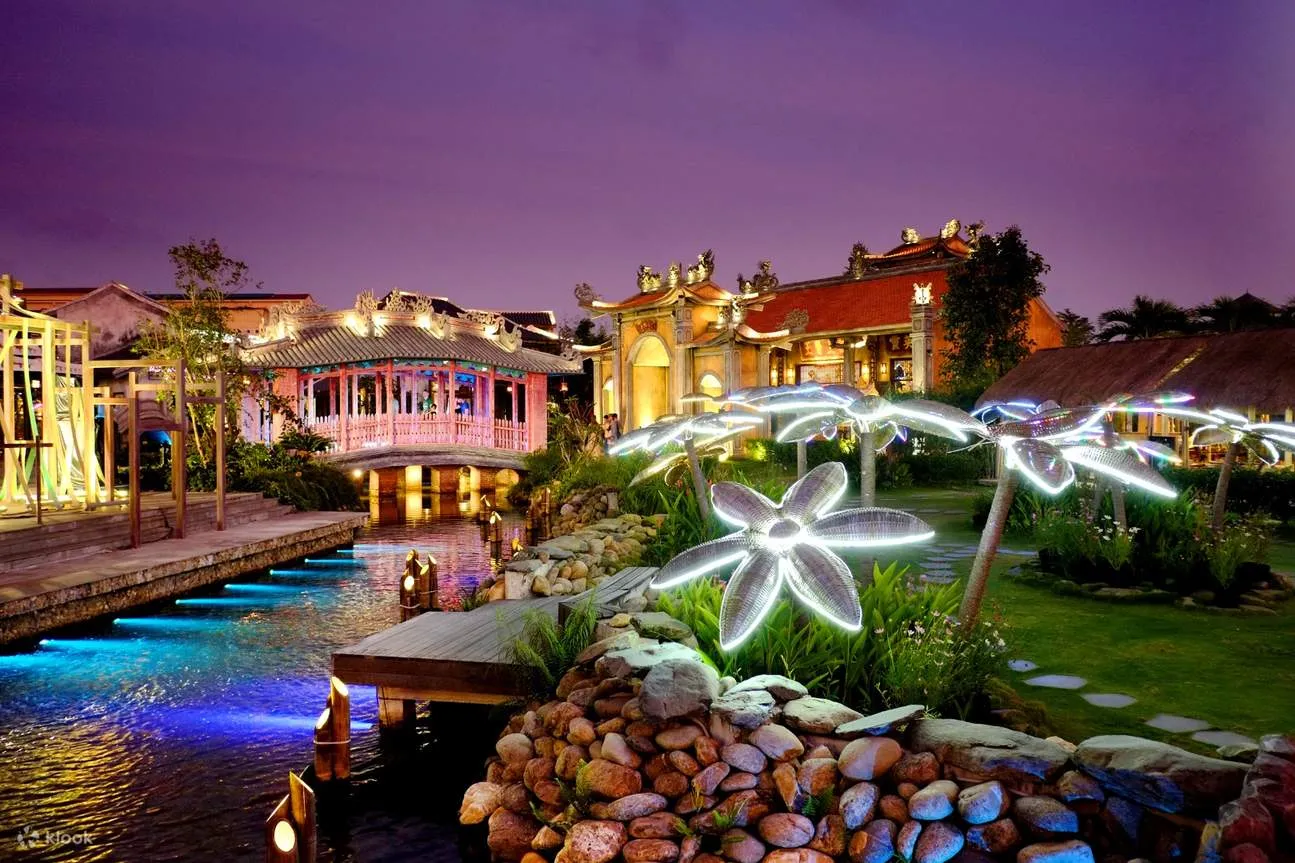
Hoi An’s charm lies in its well-preserved ancient town, which serves as a living museum of Vietnamese culture. The picturesque streets are adorned with lanterns, showcasing a blend of Vietnamese, Chinese, and Japanese influences.
Visitors can take part in traditional cooking classes, learn about silk weaving, or simply wander through the atmospheric alleys. The town comes alive during festivals, particularly the Full Moon Festival when the streets are illuminated with colorful lanterns.
Sapa and the Ethnic Minority Cultures
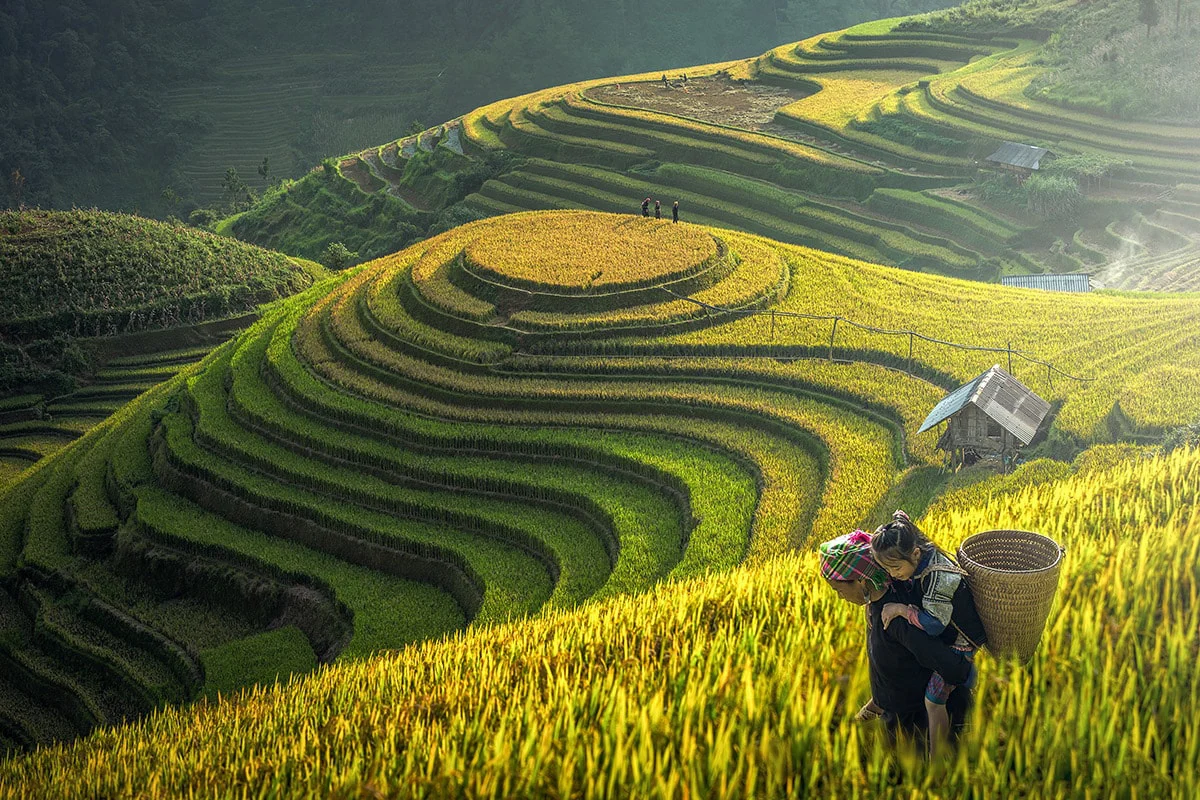
Sapa is renowned for its stunning landscapes and the rich cultural diversity of its ethnic minority groups, including the Hmong and Dao. Trekking through terraced rice fields provides not just breathtaking views but also opportunities to engage with local communities.
Visitors can experience traditional customs, such as textile production and herbal medicine, offering a deeper understanding of the ways in which these groups maintain their cultural heritage amidst modernization.
My Son Sanctuary: Cham Civilization Ruins
My Son Sanctuary stands as a testament to the Cham civilization, which flourished between the 4th and 14th centuries. The site features a collection of Hindu temples and towers, showcasing remarkable architectural prowess.
Exploring My Son allows visitors to delve into the spiritual heritage of the Cham people, learning about their beliefs and artistic expressions. The serene surroundings amplify the experience, inviting contemplation and appreciation for this ancient culture.
Traditional Arts and Crafts in Cultural Tourism Vietnam
Vietnam’s artistic heritage is reflected in its traditional arts and crafts, which have been preserved through generations. These practices not only provide economic opportunities for local artisans but also serve as cultural markers that tell the story of Vietnam’s history.
Dong Ho Folk Paintings
Dong Ho folk paintings, originating from the northern province of Bac Ninh, are characterized by their vibrant colors and depictions of rural life, folklore, and legends. Traditionally created on rice paper using natural materials, these paintings capture the essence of Vietnamese life.
Artisans produce these works during the Lunar New Year, symbolizing good fortune and prosperity. Visitors can witness the painting process and even try their hand at creating their own artwork, immersing themselves in this beloved tradition.
Lacquerware and Pottery Craftsmanship
Lacquerware is another prominent aspect of Vietnamese craftsmanship, known for its intricate designs and durability. Artisans apply layers of lacquer to wooden items, creating stunning pieces ranging from decorative objects to functional tableware.
Pottery, particularly from regions like Bat Trang, showcases Vietnam’s long-standing ceramic traditions. Visitors can explore pottery villages, observe artisans at work, and purchase unique, handcrafted pieces that embody Vietnamese culture.
Silk Weaving and Embroidery
Silk weaving is an age-old craft in Vietnam, particularly in regions like Van Phuc. The process involves meticulous care, from raising silkworms to weaving intricate patterns. The resulting textiles are renowned for their quality and beauty.
Embroidery is another art form that tells stories of cultural heritage. Many artisans create elaborate designs that celebrate Vietnam’s landscape, history, and folklore, turning fabric into canvases of cultural expression.
Paper Lanterns and Festival Decorations
Crafting paper lanterns is a time-honored tradition, especially in Hoi An. These beautifully designed lanterns light up the streets during festivals and special occasions, adding a festive atmosphere to celebrations.
Visitors can join workshops to learn about the crafting process and gain insights into the symbolism behind the colors and shapes, further connecting them to Vietnam’s cultural landscape.
Cultural Tourism Vietnam Cuisine and Culinary Traditions
Vietnamese cuisine is as diverse as its culture, featuring a variety of flavors, ingredients, and cooking techniques. Food is a central aspect of Vietnamese life, reflecting regional specialties and cultural influences.
Regional Food Specialties
Vietnam’s regional cuisines offer a kaleidoscope of tastes, with each area boasting its unique dishes. Northern cuisine is known for its balance of flavors and focus on freshness, exemplified by dishes like Pho and Bun Thang.
Central Vietnam features spicier and more complex flavors, with specialties like Mi Quang and Bun Bo Hue showcasing bold seasonings. Southern cuisine leans toward sweeter profiles, with dishes like Com tam (broken rice) and Hu Tieu highlighting tropical ingredients.
Unique Dining Customs and Rituals
Dining customs in Vietnam are steeped in tradition and etiquette. Meals are often communal, emphasizing the importance of family and togetherness. Diners typically use chopsticks and enjoy multiple dishes served simultaneously.
Food is also closely tied to various rituals and celebrations, where specific dishes hold symbolic meanings. For example, Banh Chung is made during Tet to honor ancestors, connecting the act of eating to cultural heritage.
Traditional Cooking Methods and Ingredients
Traditional cooking methods include steaming, boiling, and grilling, often utilizing fresh herbs and vegetables. Ingredients like rice, fish sauce, and aromatic herbs are staples that define Vietnamese cuisine.
Visitors can participate in cooking classes to learn about these techniques, gaining firsthand experience in preparing traditional dishes. This not only deepens their culinary appreciation but also connects them to the cultural significance of food in daily life.
Festivals and Celebrations Cultural Tourism Vietnam
Festivals in Vietnam reflect the country’s rich traditions, offering a vibrant expression of cultural heritage. Each celebration provides opportunities for locals and visitors alike to engage with customs, rituals, and communal spirit.
Tet Nguyen Dan (Vietnamese Lunar New Year)
Tet Nguyen Dan, or the Vietnamese Lunar New Year, is the most significant festival in Vietnam. Celebrated in late January or early February, it marks the arrival of spring and the beginning of the lunar calendar.
Families prepare by cleaning their homes, cooking traditional foods, and honoring their ancestors. Festivities include lion dances, fireworks, and community gatherings, allowing visitors to immerse themselves in this joyous celebration.
Mid-Autumn Festival
The Mid-Autumn Festival, celebrated on the 15th day of the eighth lunar month, is a cherished event, especially for children. Known as the “Moon Festival,” it involves mooncake sharing, lantern parades, and dragon dances.
This festival highlights the importance of family unity and gratitude towards nature. Visitors can witness colorful celebrations, partake in traditional games, and indulge in delicious mooncakes, all while learning about the symbolism behind the festivities.
Perfume River Festival in Hue
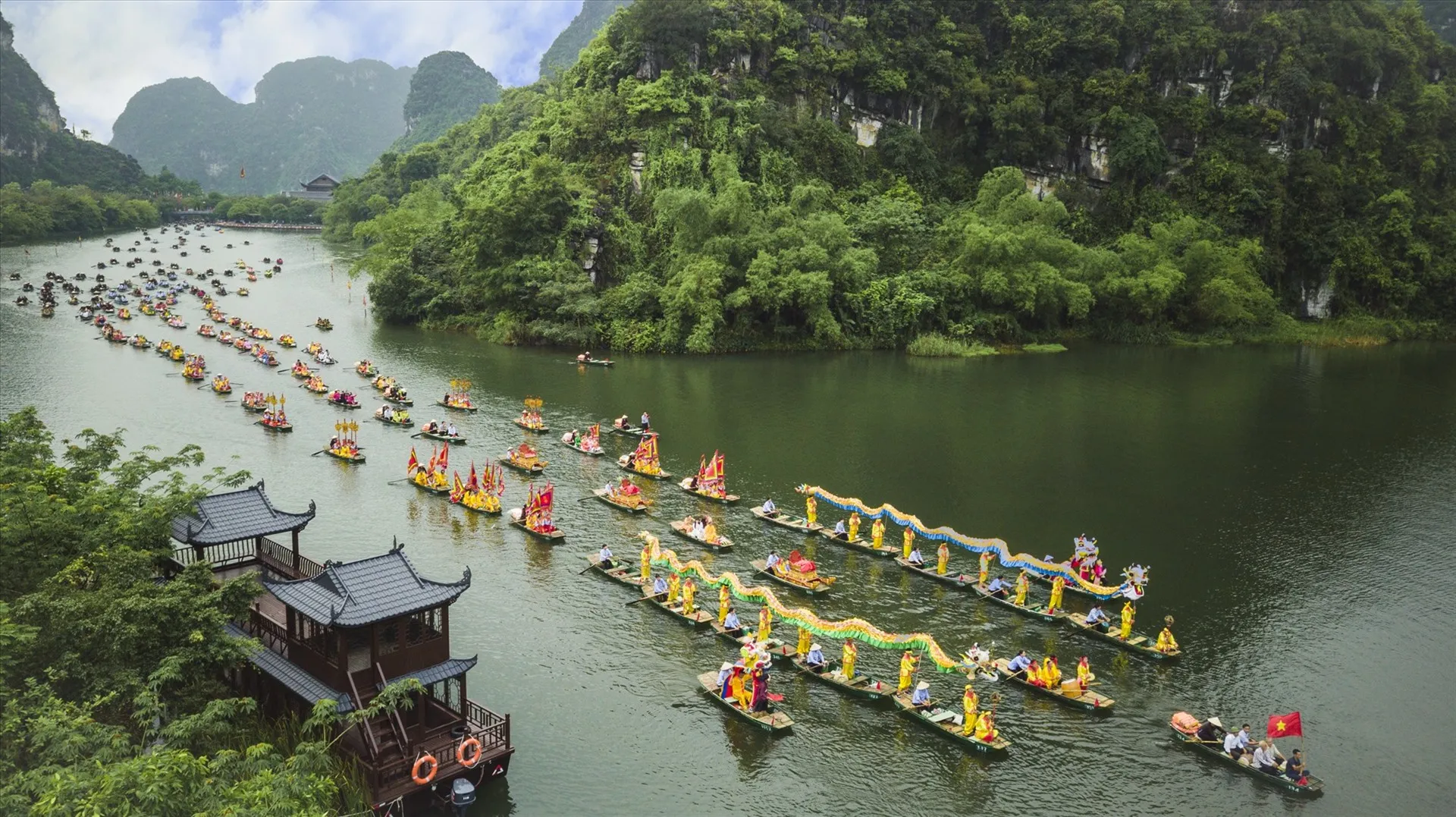
The Perfume River Festival in Hue celebrates the region’s cultural heritage, featuring music, dance, and art performances along the scenic river. The festival showcases traditional Vietnamese arts, including classical opera and folk performances.
Visitors are treated to boat rides, allowing them to appreciate the landscape while experiencing the vibrancy of local culture. This festival embodies the spirit of Hue, bridging the past with contemporary expressions of art and culture.
Ethnic Minority Festivals in the Highlands
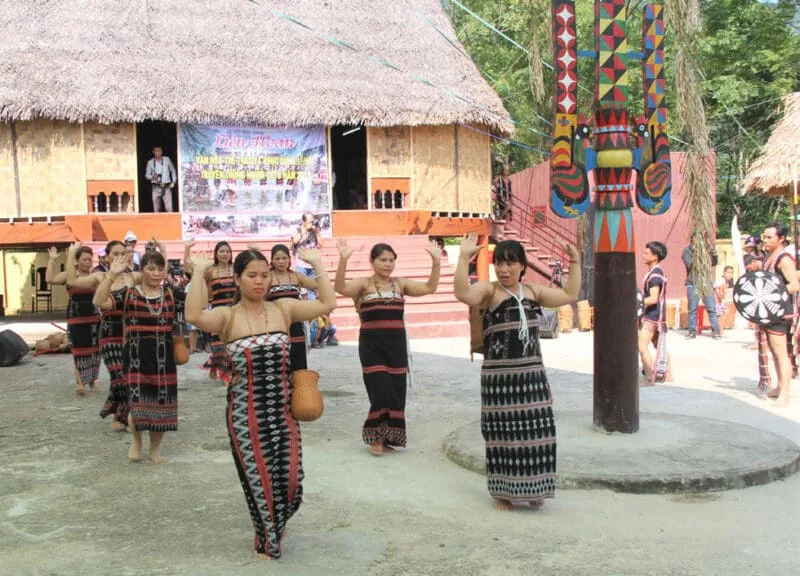
Ethnic minority festivals in the highlands present an opportunity to experience the diverse cultures of Vietnam. Each ethnic group holds unique celebrations, often centered around harvests, ancestor worship, or changes in seasons.
These festivals feature traditional costumes, music, and dance, showcasing the richness of cultural heritage. Participating in these events allows visitors to connect with local communities and gain insights into their traditions and lifestyles.

Religious and Spiritual Sites Cultural Tourism Vietnam
Religion and spirituality play a vital role in Vietnamese culture, with various beliefs coexisting harmoniously. The country is home to numerous religious sites that reflect the rich spiritual landscape of its people.
Buddhist Temples and Pagodas
Buddhism is the dominant religion in Vietnam, with countless temples and pagodas scattered across the country. Notable sites like the One Pillar Pagoda in Hanoi and the Truc Lam Zen Monastery near Dalat are revered for their architectural beauty.
Visitors can experience the tranquility of these sacred spaces, engaging in meditation and prayer. Exploring these sites offers insights into the philosophical teachings of Buddhism and their influence on Vietnamese culture.
Confucian and Taoist Influences
Confucianism and Taoism have also significantly contributed to Vietnam’s spiritual heritage. Temples dedicated to Confucius serve as centers of learning and moral guidance, promoting values such as respect for elders and education.
Taoist practices emphasize harmony with nature and the universe, evident in rituals and ceremonies. Visitors can explore these philosophical tenets through interactions with local practitioners and participation in traditional ceremonies.
Catholic Churches and Christian Heritage
Christianity, introduced during the colonial period, has established a presence in Vietnam, particularly in urban areas. Historic churches, such as the Saigon Notre-Dame Basilica, showcase beautiful architecture and cultural significance.
Visitors can learn about the unique blend of Catholicism with local customs, understanding how faith influences daily life and community gatherings.
Indigenous Spiritual Practices
Indigenous spiritual practices remain integral to certain ethnic groups in Vietnam, offering a window into their beliefs and rituals. Animism and shamanism are prevalent among minority communities, with ceremonies focused on ancestor worship and nature reverence.
Experiencing these practices allows travelers to appreciate the deep-rooted connections between culture, identity, and spiritual beliefs, enriching their understanding of Vietnam’s cultural diversity.
Conclusion Cultural Tourism Vietnam
In conclusion, Cultural Tourism Vietnam offers a fascinating glimpse into the nation’s rich heritage, shaped by its diverse history, traditions, and artistic expressions. From the ancient civilizations that laid the foundations of society to the ongoing efforts to preserve cultural identity in the face of modernization, every aspect of Vietnamese culture invites exploration and appreciation. As travelers engage with the myriad of cultural destinations, culinary delights, and vibrant festivals, they contribute to the continued flourishing of this extraordinary tapestry that defines Vietnam. Embracing cultural tourism means not only discovering a destination but also participating in the stories, struggles, and triumphs of the Vietnamese people.
Amidst countless options, you are probably looking for a travel company that truly understands Vietnam to turn your dream of exploring this S-shaped land into a reality. We, a local travel company in the heart of Vietnam, are proud to be natives of this land, carrying within us a love and deep understanding of every corner and every unique cultural aspect. Different from international travel companies, we don’t just offer tours; we share the most authentic and intimate experiences with Vietnamese life and people. You will discover famous destinations such as the majestic Ha Long Bay, the poetic ancient town of Hoi An, or the serene Imperial City of Hue from a local’s perspective
We understand that when setting foot in a foreign country, dedicated and timely support is extremely important. Therefore, our support team is always ready 24/7 throughout your journey in Vietnam, answering all your questions and assisting you in every situation. Moreover, with full licenses to organize domestic and international tours issued by the Vietnamese government, you can be completely assured of our prestige and service quality. Contact us today for the most professional and dedicated consultation, and let’s plan an unforgettable and complete trip to Vietnam together

At Vietnamtour.travel, we’re dedicated to making your journey seamless and memorable. We offer a comprehensive range of services, including Hotel booking, Car rental, Visa assistance, and Airport fast-track services, ensuring all your travel needs are covered.
Beyond the essentials, we specialize in a diverse array of tourism types tailored to your interests. Whether you’re looking for a Private, custom-designed tour, a relaxing Beach and island getaway, an enriching Cultural exploration, the vibrant energy of Urban tourism, or an authentic Agricultural and rural experience, we have something for everyone. We also expertly handle MICE tourism (Meetings, Incentives, Conferences, Exhibitions), providing professional solutions for corporate events.
Contact Us Now Cultural Tourism Vietnam
WhatsApp 1 : +84 965 251 618
WhatsApp 2 : +84 989 248 646
Email: [email protected]
[email protected]
Website: www.vietnamtour.travel
• Hanoi Office: No. 3, Ngo 225 Luong The Vinh Street, Trung Van Ward, Nam Tu Liem District, Hanoi
• Ho Chi Minh City Office: Room 503, 5th Floor, C4 Building, Gia Khang Apartment Complex, 38 Street, Ward 14, Go Vap District, Ho Chi Minh City
Vietnam Tour Packages from Mumbai: Explore Exotic Destinations and Culture
cu chi tunnels mekong delta tour – Discovering Vietnam’s Hidden Treasures
Explore Vietnam’s Stunning Beaches and Islands
Plan Your Vietnam Trip
Get a free tailor-made itinerary within 24 hours — no obligation.
WhatsApp Us Now