Vietnam Tours for United Kingdom Travelers
Essential Vietnamese Phrases for Tourists
Essential Vietnamese Phrases for Tourists
Why Learning Vietnamese Phrases Enhances Your Travel Experience
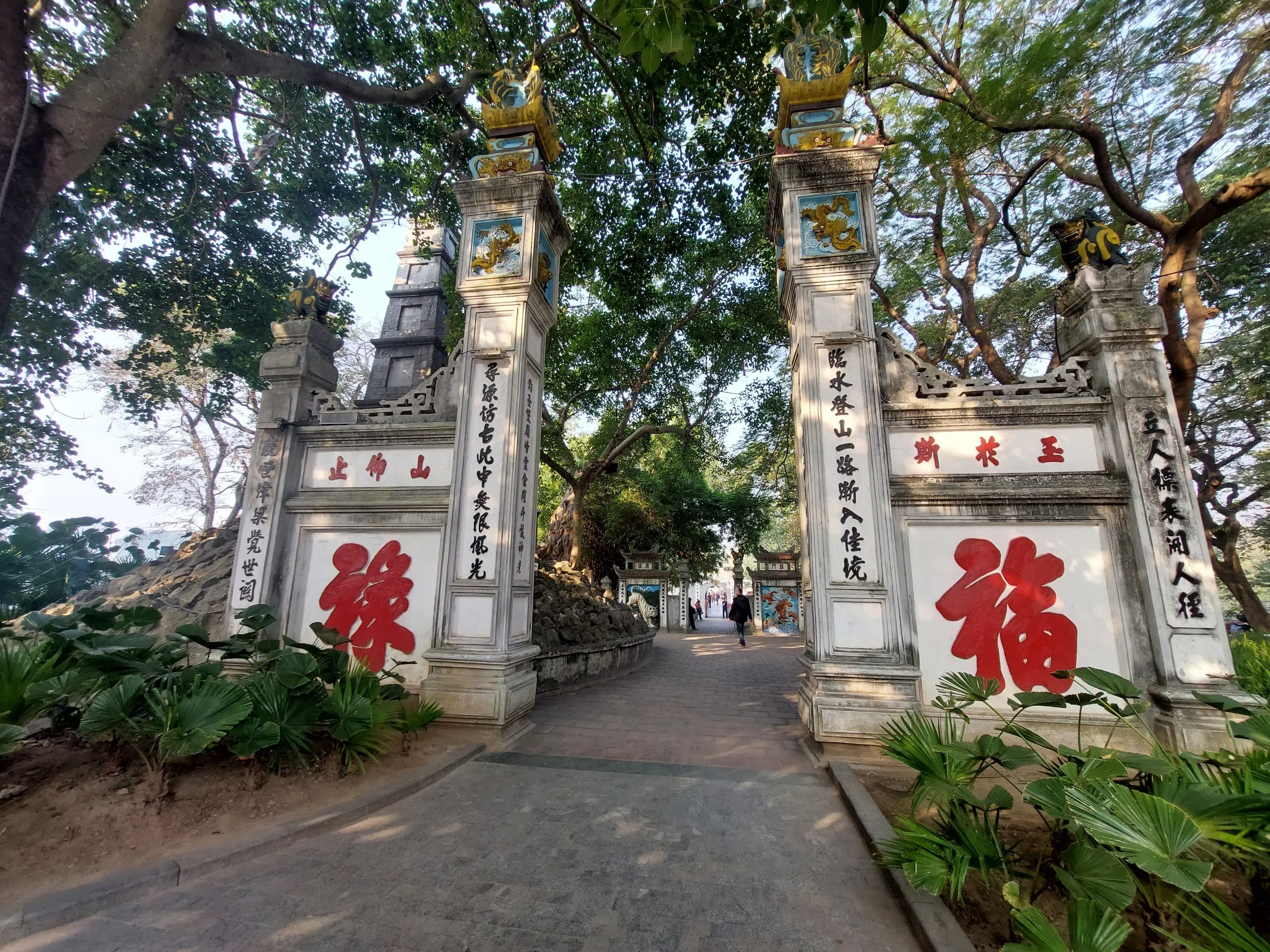
As UK travellers prepare to explore the vibrant streets of Vietnam, learning vietnamese phrases can enhance their adventure. Picture the warm morning sun filtering through the canopy of Hoan Kiem Lake, the gentle clatter of a Hanoi street vendor’s stall, and the sweet aroma of pho drifting from a nearby cart. Vietnamese phrases are the key that unlocks these sensory moments, transforming a simple visit into a genuine cultural immersion. This guide shows you how a handful of words can open doors to heartfelt connections.
Table of Contents
The desire to connect with locals is natural—so is the fear of being misunderstood. Yet in Vietnam, even a tentative “Xin chào” is met with a smile that turns a stranger into a friend. The rhythm of daily life here is punctuated by courteous exchanges, and using vietnamese phrases signals respect and appreciation for the culture. You need not be fluent; the effort itself is celebrated. Remember, many UK travellers have found that the simplest greetings unlock hidden alleys, family-run eateries, and spontaneous invitations you would otherwise miss.
To begin your journey, consider that every phrase you learn becomes a bridge. The scent of incense in a temple, the chatter of a floating market, the laughter of children playing near the Mekong—these experiences deepen when you can say “Cảm ơn” (thank you). With Vietnam’s visa-free access for UK passport holders and direct flights from London, there’s never been a better time to pack your curiosity. For personalised help with planning your trip or practising these essentials, simply message us on WhatsApp at +84 965251618 or email [email protected].

Essential Vietnamese Phrases for Everyday Use
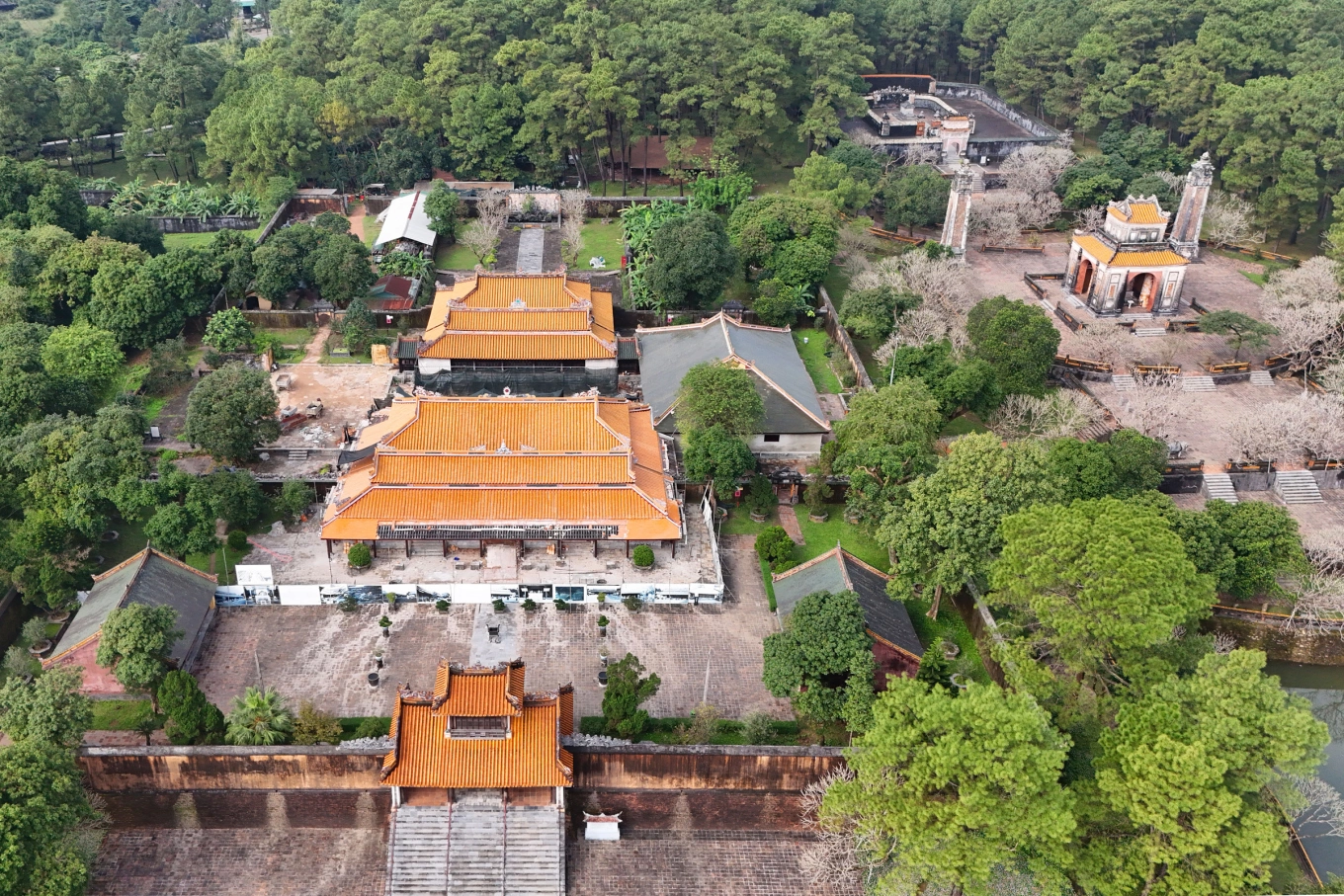
Now that you feel the pull of authentic encounters, let’s equip you with the vietnamese phrases that make daily interactions smooth and enjoyable. Whether you’re ordering a bowl of bún bò Huế or asking for directions to the Imperial Citadel, these words are your passport to genuine moments. The objections you may have— “I won’t pronounce it right” or “I don’t have time to learn”—fade once you realise how forgiving locals are. Practice these simple sets, and watch how the energy of Vietnam embraces you.
Basic Greetings
Start every encounter with a warm “Xin chào” (pronounced “sin chow”), which means “Hello.” Use it when you step into a shop, meet your hotel host, or pass a farmer on a country path. In the morning, a cheerful “Chào buổi sáng” (“jow boo-ee sahng”) is a respectful way to greet the day. These vietnamese phrases cost nothing but return immense goodwill—a nod, a smile, and often an offer of a cold refreshment.
When leaving, say “Tạm biệt” (“tam bee-et”) for “Goodbye.” In a bustling market, a quick “Tạm biệt” to the vendor who helped you choose dragon fruit leaves a lasting impression. If you’re invited into a home, the greeting “Chào ông/bà” (for an older man/woman) shows extra respect. Practice these aloud while you pack; the sounds will feel natural by the time you land in Hanoi.
Beyond the basics, “Cảm ơn” (“gam un”) for “Thank you” and “Vâng” (“vung”) for “Yes” are your daily allies. After a meal, a sincere “Cảm ơn” to the chef can lead to a shared recipe or an invitation to watch the family’s sunset ritual. These vietnamese phrases are not just words—they are keys to the country’s heart, opening doors to spontaneous adventures that no guidebook can offer.
Important Polite Phrases
Politeness is the currency of Vietnamese culture, and a few key vietnamese phrases will help you spend it wisely. Begin with “Xin lỗi” (“sin loy”) for “Excuse me” or “Sorry.” Use it when you accidentally bump into someone on a crowded cyclo, or when you need to pass through a tight alley. In the soft light of a pagoda, a quiet “Xin lỗi” before stepping near an altar shows reverence that locals deeply appreciate.
“Dạ” (“yah”) is a polite “Yes” used when speaking to elders or those in service roles. Pair it with “Thưa” (“thuh-ah”) before addressing someone formally, as in “Thưa ông” (Sir). These vietnamese phrases ease your way through formal interactions—like checking into a hotel or asking for help at a train station. Locals will notice your effort and respond with warmth, often switching to slower, clearer speech to help you.
Master “Cảm ơn nhiều” (“gam un nyew”) for “Thank you very much”—it is a phrase that carries genuine gratitude. After a homestay meal or a guided tour, saying this with a slight bow seals a positive memory. Remember, the goal is not perfection but connection. A mispronounced “Xin chào” is still a gesture of goodwill, and that sincerity speaks louder than any textbook accent. For more tips on using these phrases in real situations, reach out to our team via WhatsApp at +84 989248646 or email [email protected].

Using Vietnamese Phrases Respectfully and Confidently
Once you have your greetings and polite phrases ready, the next step is to use them with ease. Many UK travellers worry about accidentally causing offence, yet the truth is that Vietnamese culture honours effort over perfection. By understanding a few cultural cues, you can employ your vietnamese phrases in a way that feels natural and respectful. This section will help you overcome any hesitation and embrace the language confidently.
How to Avoid Offence with Vietnamese Phrases
The fear of offending someone often stems from not knowing the right tone. In Vietnam, a calm and gentle voice is key—avoid speaking loudly or sharply, even when you are excited. When you use your vietnamese phrases, soften your voice and pair them with a smile; this combination signals sincerity and respect. Locals respond warmly to such an approach, and any small misstep in pronunciation is forgiven instantly.
Another common concern is using the wrong form of address. If you are unsure, a simple “Xin chào” followed by a slight nod works for almost everyone. Remember that direct language is less common here; frame your requests as polite suggestions rather than commands. For instance, “Có thể giúp tôi được không?” (Can you help me?) is far more effective than a blunt “Help me.” These vietnamese phrases demonstrate your awareness of local customs and build trust rapidly.
Finally, never fear silence. Vietnamese conversations often have natural pauses, and rushing to fill them with nervous chatter can feel aggressive. Instead, wait for the other person to respond, then acknowledge their reply with “Dạ” or “Vâng.” By mastering these subtleties, your vietnamese phrases become bridges rather than barriers. The result is that every interaction feels more like a friendly chat than a transaction.
When Vietnamese Phrases Outshine English
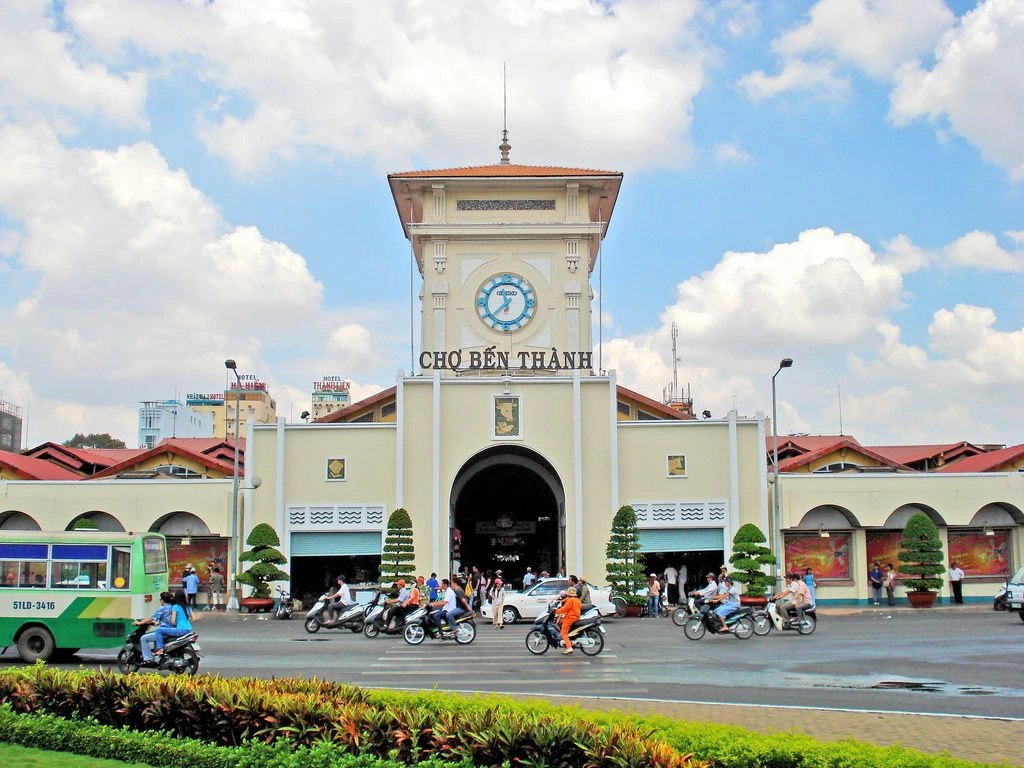
While English is spoken in tourist hubs like Hanoi and Ho Chi Minh City, many rural areas and local markets rely almost entirely on Vietnamese. In these settings, your vietnamese phrases become your most valuable travel tool. Imagine wandering through a village in the Mekong Delta and being able to ask a farmer about his fruit crop—such moments are impossible without the language. Even a few words can transform a simple transaction into a memorable exchange.
Beyond practical communication, using vietnamese phrases signals that you are not just a passing visitor but a traveller who cares. Locals often respond by going out of their way to help, offering directions to hidden gems or inviting you to share a meal. This is where the true authenticity of Vietnam reveals itself. The effort you put into learning these phrases is reciprocated with warmth and generosity that English alone cannot unlock.
Consider also the confidence it gives you. Navigating a bustling street market or ordering a customised bowl of pho becomes an adventure rather than a challenge. Each successful interaction with your vietnamese phrases builds momentum, making you more eager to explore off-the-beaten-path locations. The objection that English is sufficient fades as you realise how much more you gain by stepping outside that comfort zone. To begin crafting a personalised language guide for your trip, please contact our travel specialists—we can help you practise the phrases most relevant to your itinerary.
Frequently Asked Questions about Vietnamese Phrases
How many Vietnamese phrases do I need to learn for a trip?
Learning around ten to fifteen core phrases is enough to handle most daily situations. Focus on greetings, thank you, please, excuse me, and basic numbers. These vietnamese phrases will cover ordering food, asking for directions, and simple conversations.
Will locals laugh at my pronunciation of Vietnamese phrases?
Not at all. Vietnamese people are generally delighted when foreigners attempt their language. Any laughter you might hear is one of amusement and appreciation, not mockery. Your sincere effort using vietnamese phrases is always met with encouragement and often with help to improve your accent.
Can I use the same Vietnamese phrases in both the north and south?
Yes, the phrases taught here are understood nationwide. Small differences in accent or vocabulary exist between regions, but your basic vietnamese phrases like “Xin chào” and “Cảm ơn” are universal. Locals will appreciate your attempt regardless of which dialect they speak.
Is it worth learning Vietnamese phrases if I only visit major cities?
Absolutely. While English is common in tourist zones, using vietnamese phrases elevates your experience. Even in Hanoi or Da Nang, vendors, taxi drivers, and homestay hosts respond warmly to a local greeting. It also helps you bargain respectfully and avoid tourist traps.

Conclusion: Start Your Vietnamese Language Journey
Embracing vietnamese phrases is one of the most rewarding decisions you can make for your trip to Vietnam. From the first “Xin chào” to the final “Tạm biệt,” each word you speak opens a door to genuine connections and unforgettable moments. The fears of mispronunciation or causing offence are natural, but as you have seen, the Vietnamese people welcome your efforts with open arms. Your confidence will grow with every interaction.
Remember that language is not about perfection—it is about connection. Whether you are bargaining in a market, sharing a meal with a homestay family, or asking for directions along the Mekong, your willingness to use vietnamese phrases will be remembered long after you return home. These small efforts create a travel experience that is far richer and more authentic than any guidebook can promise. For a complete guide and practice tips, revisit our page on vietnamese phrases.
If you have any questions about planning your itinerary or need help with additional phrases, we would love to help you prepare for your journey. Reach out via WhatsApp at +84 965251618 / +84 989248646 or email [email protected] / [email protected]. We will tailor a language guide and trip plan that suits your travel style perfectly.
Ready to plan your Vietnam trip?
Our specialists are available 7 days a week. Share your travel dates and we will design your itinerary promptly.
WhatsApp: +84 965251618 / +84 989248646
Email: [email protected] / [email protected]
Plan Your Vietnam Trip
Get a free tailor-made itinerary within 24 hours — no obligation.
WhatsApp Us Now