Vietnam Tours for United Kingdom Travelers
Bargaining in Vietnam: Tips for Brits
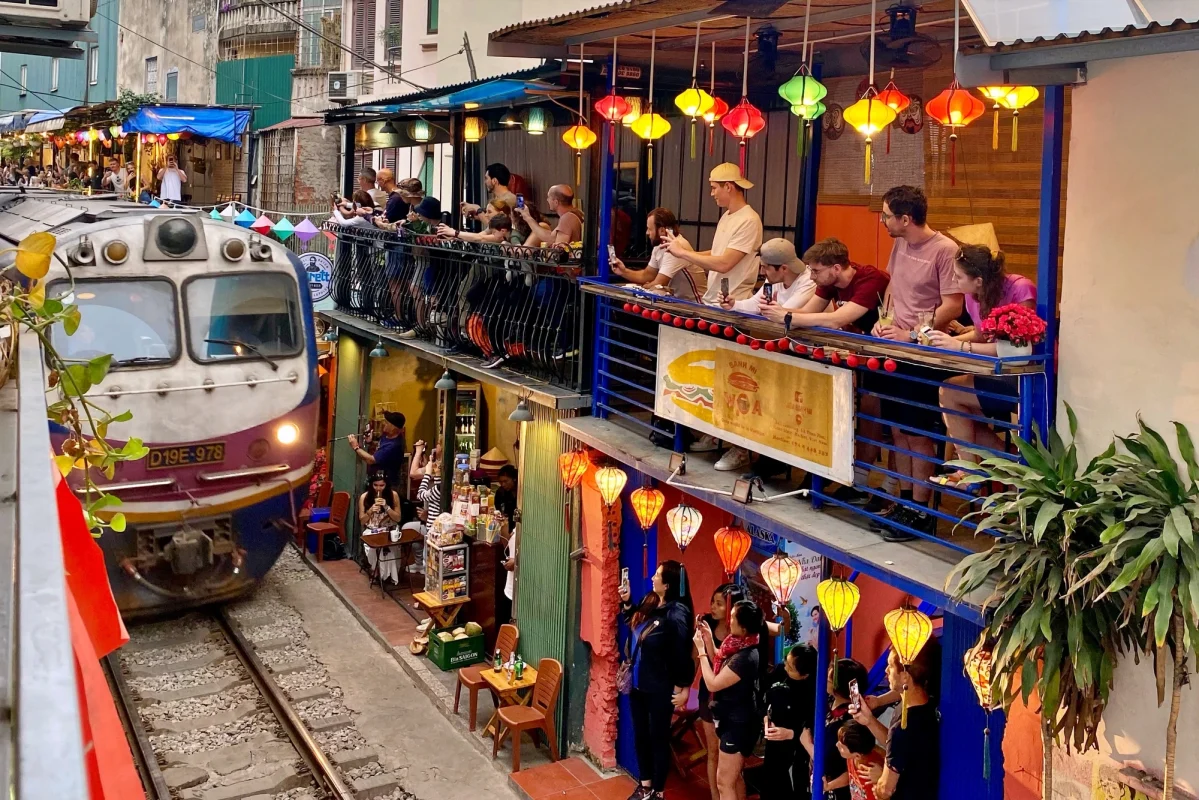
Bargaining in Vietnam: Tips for Brits
Understanding Bargaining in Vietnam
The air hums with the clatter of wooden stalls, the rich scent of star anise and cinnamon drifting from spice piles as sunlight filters through awnings in Hanoi’s Old Quarter. For UK travellers, stepping into a Vietnamese market is like entering a living tapestry – silk scarves in lacquer-red and emerald-green sway next to hand‑carved wooden bowls, while vendors call out with warm, singsong invitations. This is where bargaining in Vietnam becomes an art form, not a transaction, and where every purchase carries a story.
Table of Contents
We understand the secret fear that bubbles beneath your excitement: the worry of overpaying because you don’t know the local rules, or the anxiety of accidentally offending a shopkeeper. In Vietnamese culture, haggling is not a sign of distrust but a dance of mutual respect. Locals expect you to negotiate, and when you do it with a smile, you forge a genuine connection that no fixed-price store can offer. Bargaining in Vietnam transforms a simple souvenir into a cherished memory of interaction.
The key is to approach it with openness and a little preparation. At vietnamtour.travel, we have spent years helping British visitors feel at ease in these vibrant marketplaces, from Ben Thanh in Saigon to the floating markets of the Mekong. Our friendly‑expert team can guide you through the nuances, so you never feel lost. Ready to start your adventure?
If you have any questions about planning your trip, simply reach out to us on WhatsApp at +84 965251618 or +84 989248646, or email [email protected] – we are here to help.

The Art of Bargaining: Tips for Success
Embrace the Cultural Norm
In Vietnam, haggling is woven into the fabric of daily life. When you engage in bargaining in Vietnam, you are not just securing a price – you are participating in a ritual that shows respect for the vendor’s craft. A friendly laugh, a compliment on their goods, and a sincere smile can lower the starting price faster than any stern negotiation. Locals view a cheerful haggler as someone who values the experience, not just the product.
Start your offer at about half the quoted price, then let the vendor counter with a gentle upward gesture. The dance moves in small steps; each back‑and‑forth builds rapport. Remember, the goal is to reach a price both sides feel happy with, not to win a contest. This is what makes bargaining in Vietnam so uniquely engaging – it turns a shopping trip into a lively conversation.
If you ever feel stuck, just shake your head with a polite “không, cảm ơn” (no, thank you) and begin to walk away. Often the vendor will call you back with a better offer. But never be aggressive – keep your tone light and your eyes kind. That is the secret to leaving with both a great deal and a new friend.
Know Your Prices
Before you start haggling, a little research goes a long way. For example, a hand‑woven silk scarf typically starts around a reasonable price, while a lacquerware bowl might begin at a similar range. Observe what local customers pay – you will notice a pattern. Understanding these benchmarks gives you confidence when you begin bargaining in Vietnam.
Ask your hotel concierge or check travel forums for recent price ranges of items you are interested in. Many UK travellers find that carrying small denominations of Vietnamese dong helps them stick to their budget and avoid confusion. The more you know, the less you will fear being taken advantage of – and the more you can enjoy the thrill of the hunt.
Remember, the value of an item is not just in its cost but in the story of how you acquired it. When you walk away with a lantern from Hoi An after a shared laugh with the artisan, that bargaining in Vietnam becomes a tale you will tell for years. So do your homework, but leave room for spontaneity – the best deals often happen when you least expect them.
Now it is time to put these tips into practice. The markets await, and every smile and counter‑offer will bring you closer to the heart of Vietnam. For personalised guidance on your shopping itinerary, contact our team on WhatsApp or email – we love helping Brits create unforgettable memories.
Common Shopping Mistakes to Avoid
Bargaining Without Wasting Time
Many UK travellers worry that bargaining will eat into their precious holiday hours, but the truth is that a few minutes of friendly negotiation can save you both money and time. The key is to set a clear budget before you start and to know which items you truly want. When you approach each stall with a target price in mind, your bargaining in Vietnam becomes efficient and surprisingly quick.
Vendors appreciate decisive buyers who show genuine interest. A simple “Tôi muốn mua cái này” (I want to buy this) followed by a reasonable offer often leads to a fast agreement. If the price does not drop to your range, politely move on – there are dozens of similar stores nearby. This tactic keeps your shopping focused and prevents hours of indecision.
Remember that effective bargaining in Vietnam is about quality, not quantity. Choose a few special items you truly love, and invest your time in those negotiations. You will walk away with meaningful souvenirs and still have plenty of time to explore the rest of the market.
Items to Approach with Caution
While most market goods are authentic, some items require extra care. Avoid buying antique artefacts, ivory, or endangered animal products, as these may be illegal or unethical. Always check for signs of imitation – a quick test on silk (real silk feels smooth and cool) or lacquerware (genuine pieces have multiple layers) can save you from disappointment. Being aware of these pitfalls makes your bargaining in Vietnam both safe and rewarding.
Stick to recommended souvenirs such as hand‑embroidered textiles, ceramic pottery, and local spices. These are widely available and carry cultural significance that you can share with friends back home. If a price seems too good to be true, it often is – trust your instincts and compare a few stalls before deciding.
When you focus on quality and authenticity, your bargaining in Vietnam becomes a journey of discovery. Every purchase tells a story, and each story enriches your travel experience. With these tips, you can shop with confidence and avoid the common traps that trip up first‑time visitors.
If you would like a personalised market‑hopping itinerary tailored to your interests, just send us a message – our team loves helping British travellers make the most of their shopping adventures.
Frequently Asked Questions about Bargaining in Vietnam
Is it rude to bargain in Vietnam?
Not at all. Bargaining is a normal and expected part of market culture in Vietnam. Vendors respect a friendly and polite approach, and they enjoy the interaction. As long as you keep a smile and avoid aggression, bargaining in Vietnam is seen as a compliment to their goods.
What should I do if I cannot agree on a price?
Simply smile, say “cảm ơn” (thank you), and walk away. Often the vendor will call you back with a lower offer. If they do not, it means the price was already fair, and you can decide whether to accept or search elsewhere. This is a graceful part of bargaining in Vietnam.
How much should I offer initially?
A good rule is to start at a reasonable starting point, especially for items like clothing and accessories. For handmade crafts, start a little higher to show respect for the artisan’s work. The final price usually settles at a fair middle ground. Practising this rhythm makes bargaining in Vietnam easy and enjoyable.
Can I use credit cards at markets?
Most market stalls prefer cash in Vietnamese dong, so carry small bills. Some larger stores accept cards, but cash simplifies negotiations and often helps you secure a better deal. This small preparation ensures your bargaining in Vietnam runs smoothly.

Conclusion
Bargaining in Vietnam is not just about getting the best price – it is about connecting with the people, culture, and stories that make every market visit unforgettable. With a little confidence and these practical tips, you can turn a simple purchase into a cherished memory. Remember that every smile and respectful exchange adds depth to your journey, leaving you with not only a beautiful souvenir but also a genuine bond with the locals.
Your next step is to put this knowledge into action. Whether you are planning a guided market tour or venturing out independently, we are here to help. For a seamless experience, check out our comprehensive guide to bargaining in vietnam and start your adventure today. Our team is just a message away – reach us on WhatsApp at +84 965251618 or +84 989248646, or via email at [email protected] or [email protected]. Let us design a custom itinerary that brings the vibrant markets of Vietnam to life.
We know that planning a trip can feel overwhelming, but you do not have to do it alone. Our experienced travel specialists are ready to answer your questions and tailor every detail to your preferences. From market tours to cultural workshops, we ensure that your bargaining in Vietnam becomes a highlight of your holiday. Get in touch today and let the adventure begin.
Ready to plan your Vietnam trip?
Our specialists are available 7 days a week. Share your travel dates and we will design your itinerary within 24 hours.
WhatsApp: +84 965251618 / +84 989248646
Email: [email protected] / [email protected]
Plan Your Vietnam Trip
Get a free tailor-made itinerary within 24 hours — no obligation.
WhatsApp Us Now