
Discover Hanoi’s Street Food Tour Experience
Hanoi Street Food Tour: A Flavour-Filled Guide for Irish Travellers
A Hanoi street food tour is a fine way to meet the city: one minute you’re following the scent of herbs and sizzling batter, the next you’re perched on a little stool as scooters stream past. Expect lively streets, bold flavours and the sort of meal that makes you forget you were only going to have “a quick bite”. For Irish travellers, it is a lively, affordable and deeply rewarding introduction to Southeast Asian food—think of it as the ultimate chipper run, except you’re eating it on a tiny plastic stool in a Hanoi lane, and the “chips” come with a side of fresh herbs and broth.
For Irish passport holders, Vietnam is not visa-free: you will need an e-visa before you fly. Apply directly through the official portal at evisa.gov.vn. A single-entry e-visa costs USD 25 (about €23) or a multiple-entry one USD 50 (about €46), is valid for up to 90 days, and usually takes 3–5 business days to process[reference:0]. Your passport must be valid for at least six months beyond your departure date from Vietnam and have at least one genuinely blank page for the visa stamp[reference:1]. There is no Vietnamese embassy in Ireland, so the e-visa is by far the simplest route—give yourself a bit of breathing room before departure rather than leaving it to the last minute.
Flights and timing: There are no direct Dublin–Vietnam flights. Dublin to Hanoi takes roughly 14–20 hours indirectly via European, Middle Eastern or Asian hubs, with Etihad, Turkish Airlines, Vietnam Airlines and partners among the options; typical one-stop journeys land around 15–16 hours[reference:2]. Irish summer—July and August—is a popular time to travel, while March–April and September–November are generally the most comfortable months in Hanoi, with milder temperatures and lower humidity. Either way, the city’s food scene will be ready for you.
Fancy making the first evening deliciously straightforward? Message us on WhatsApp or email [email protected] and we’ll help you plan a Hanoi street food tour that fits your arrival and appetite.
What to Expect on a Hanoi Street Food Tour
Follow the Flavours Through Hanoi’s Old Streets—and Find the Irish Connection
A Hanoi street food tour brings you close to the everyday rhythm of the city: clattering pans, charcoal smoke and bowls arriving fragrant with herbs. The Old Quarter—a maze of 36 ancient trade streets—is the historic heart of the food scene, where each street was once dedicated to a specific craft or food. This is where pho was born, and the Hanoi version remains the original recipe: flat rice noodles in a clear, long-simmered broth, scattered with spring onion and almost nothing else.
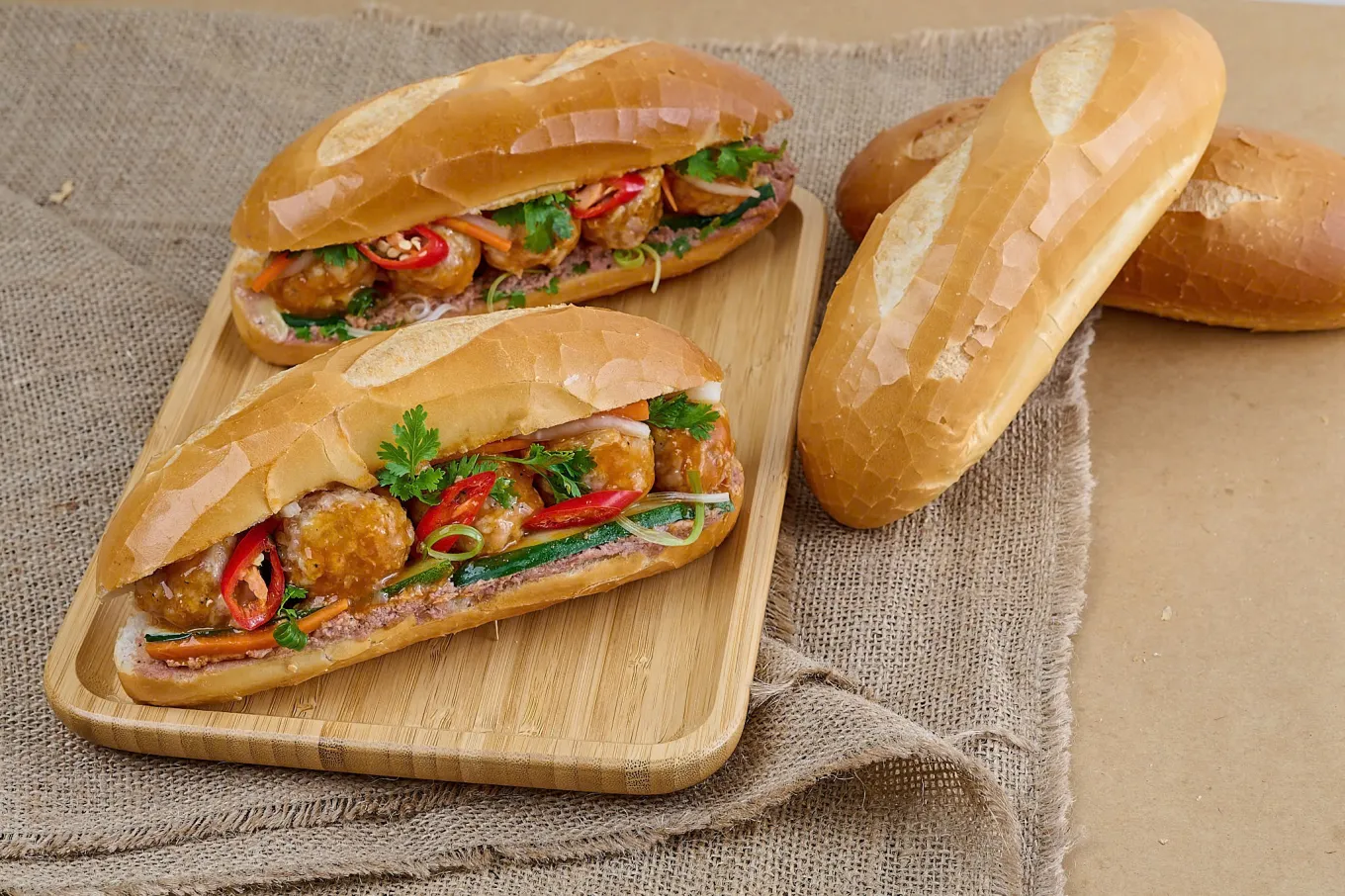
Here is where the Irish palate comes in. Think of Bánh mì as Vietnam’s answer to a hot chicken roll from the local deli—a crisp baguette (a legacy of the French) stuffed with pâté, pork, pickled veg and fresh herbs, much like a superior, warm sub you’d grab after a night out. Bún chả—smoky charcoal-grilled pork patties in a sweet-tangy broth, served with vermicelli and a basket of herbs—will feel strangely familiar to anyone who has stood around a disposable BBQ on a rare sunny Irish afternoon: it is essentially Vietnam’s version of sausages and burgers off the grill, just with a different sauce and a mountain of fresh greens. And egg coffee, that rich, custardy Hanoi invention, drinks more like a liquid tiramisu than a coffee—sweet, velvety and with a bitter espresso kick underneath, the kind of thing you’d happily order as dessert in a Dublin café[reference:3].
Food here can be pork-forward, and pork and alcohol are widely accepted, but there are plant-based choices too, including vegetable-led dishes and tofu. If you eat halal, options are available in Hanoi, including Zaynab and Dalcheeni, though halal food is not the dominant offering; it is wise to flag your needs when arranging a tour.
Bring a curious palate, comfortable shoes and a little patience at crossings; the traffic has its own confident choreography. A Hanoi street food tour is less about rushing from plate to plate and more about enjoying the smells, sounds and small discoveries along the way.
Choose a Food Experience That Suits You—and Tackle the Irish Food Fears
Some visitors want a gentle introduction to familiar flavours; others are happy to follow a guide towards dishes they might never spot on their own. A well-planned Hanoi street food tour can make room for both, with time to ask questions and enjoy the atmosphere between tastings.
Let’s be honest about what worries Irish travellers when they head to Asia. The three big concerns are food safety and stomach bugs, allergies (coeliac disease and nut allergies are taken very seriously at home), and not knowing what you are actually eating when the menu is in Vietnamese and the stall is the size of a wardrobe. The good news is that a guided Hanoi street food tour removes almost all of that guesswork. Here is how to eat well and confidently:
- Follow the locals: A stall with a long queue of Vietnamese customers is your best guarantee of freshness. High turnover means the food has not been sitting around[reference:4].
- Eat it hot and cooked to order: Pho, bún chả and bánh mì are all made fresh in front of you. Avoid anything that has been pre-plated and left out.
- Allergy communication is key: If you have coeliac disease or a severe nut allergy, carry a translated allergy card in Vietnamese. Cross-contamination and hidden sauces (soy, Maggi, Knorr) are real risks at small stalls, so your guide can help explain this at each stop[reference:5].
- Stick to bottled water: It is cheap and everywhere. Irish travel advice is blunt about tap water—stick to sealed bottles[reference:6]. Ice in busy, reputable stalls is generally fine, but use your judgement in quieter places.
- Halal options exist: If you need halal food, Hanoi has a cluster of options around the mosque on Hàng Lược Street. Zaynab Restaurant (12 Hàng Lược) serves halal pho and beef with rice, and Phở Muslim (22 Đồng Xuân) is a reliable halal pho spot. Further afield, Nan n Kabab (34 P. Lò Rèn, Hoàn Kiếm) is a popular Pakistani and Arabic halal restaurant.
Vegetarians should mention their preferences in advance, as fish sauce and meat-based ingredients can appear where you might not expect them. For halal travellers, Hanoi’s named options are useful starting points, but let your organiser know your requirements before you set off rather than relying on guesswork at the table.
If you’re comparing Vietnam with Thailand, Indonesia or Cambodia, Hanoi offers its own particular pleasure: cool bowls, fresh herbs and street-side energy, all packed into a memorable evening. Tell us what you like to eat and we’ll help shape a Hanoi street food tour around your tastes; reach us at +84989248646 or [email protected].
The Essential Dishes—and Where to Find Them
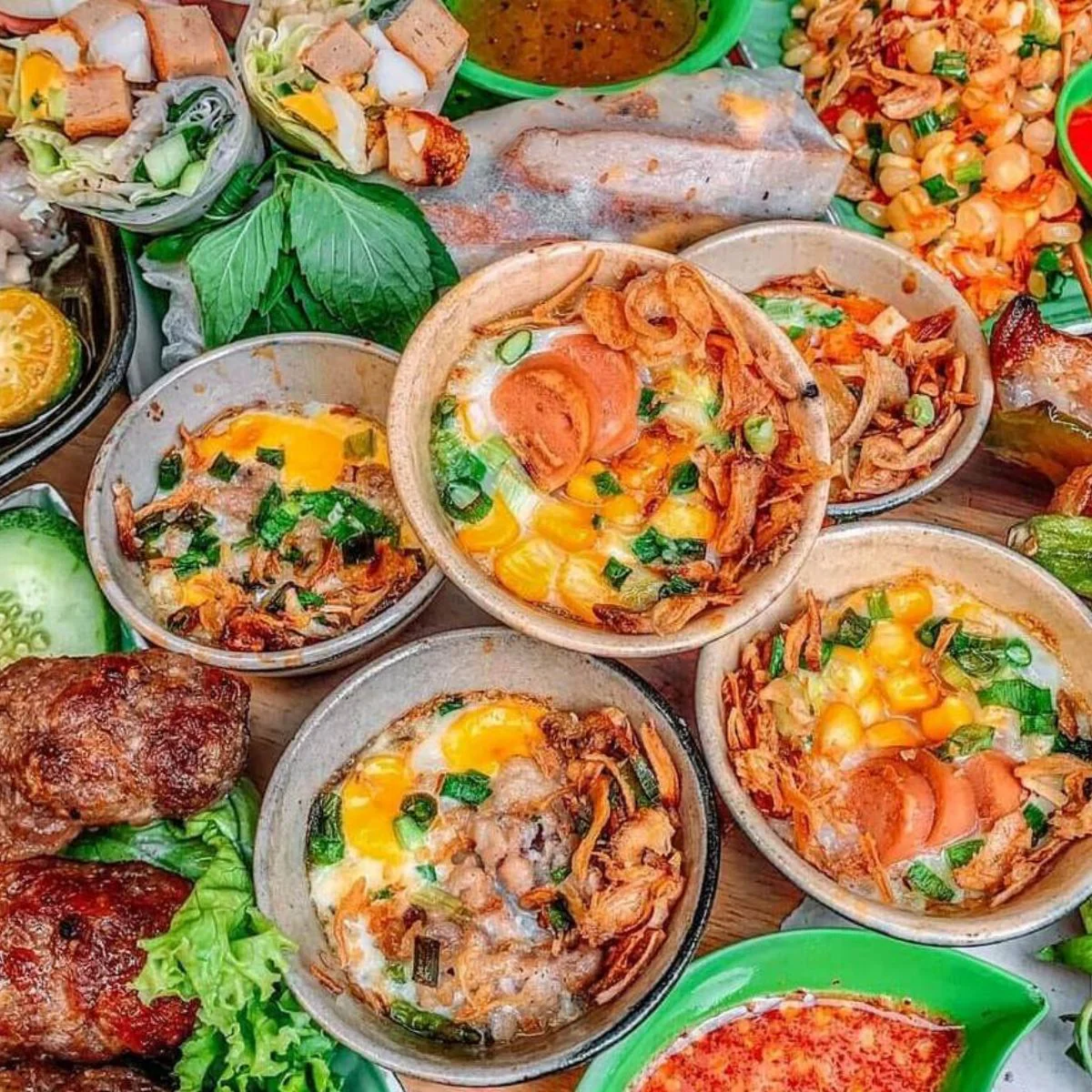
A great Hanoi street food tour is built around the city’s iconic dishes. Here are the ones to look for, with specific addresses and prices in both VND and EUR (using an approximate rate of €1 ≈ 27,000 VND).
Phở (Pho)
Pho is Vietnam’s most famous dish, and Hanoi is its spiritual home. The Hanoi version is restrained and precise: flat rice noodles in a clear, long-simmered beef broth, scattered with spring onion and almost nothing else. Pho Gia Truyen at 49 Bat Dan Street is on the 2026 Michelin Bib Gourmand list and has been ladling beef pho from the same Old Quarter address for decades[reference:7]. A bowl costs 55,000–70,000 VND (about €2.00–2.60)[reference:8]. The queue forms before seven in the morning, and the pot is often empty by ten—arrive early.
Bún Chả (Bun Cha)
While pho is the global ambassador, bún chả is the dish many Hanoians consider the city’s true signature—and for Irish travellers, it is the closest thing to a back-garden barbecue plate you will find on a Hanoi street. Smoky, charcoal-grilled pork slices and patties are served in a bowl of light, sweet-and-tangy broth, alongside a basket of fresh herbs and a mound of soft rice vermicelli. Bún Chả Hương Liên at 24 Lê Văn Hưu (south of the Old Quarter) is famous as the “Obama bun cha” spot—the Combo Obama (bun cha, fried seafood spring roll and a Hanoi beer) costs around 85,000–100,000 VND (roughly €3.10–3.70)[reference:9].
Bánh Mì (Banh Mi)
The Vietnamese baguette is a masterpiece of texture and flavour: crisp shell, soft inside, filled with pâté, pork, pickled vegetables, fresh herbs and often a smear of chilli sauce. Bánh Mì 25 at 25 Hàng Cá is a reliable spot. A banh mi costs 30,000–45,000 VND (about €1.10–1.70)—the kind of value that would make a Dublin deli blush.
Bánh Cuốn (Steamed Rice Rolls)
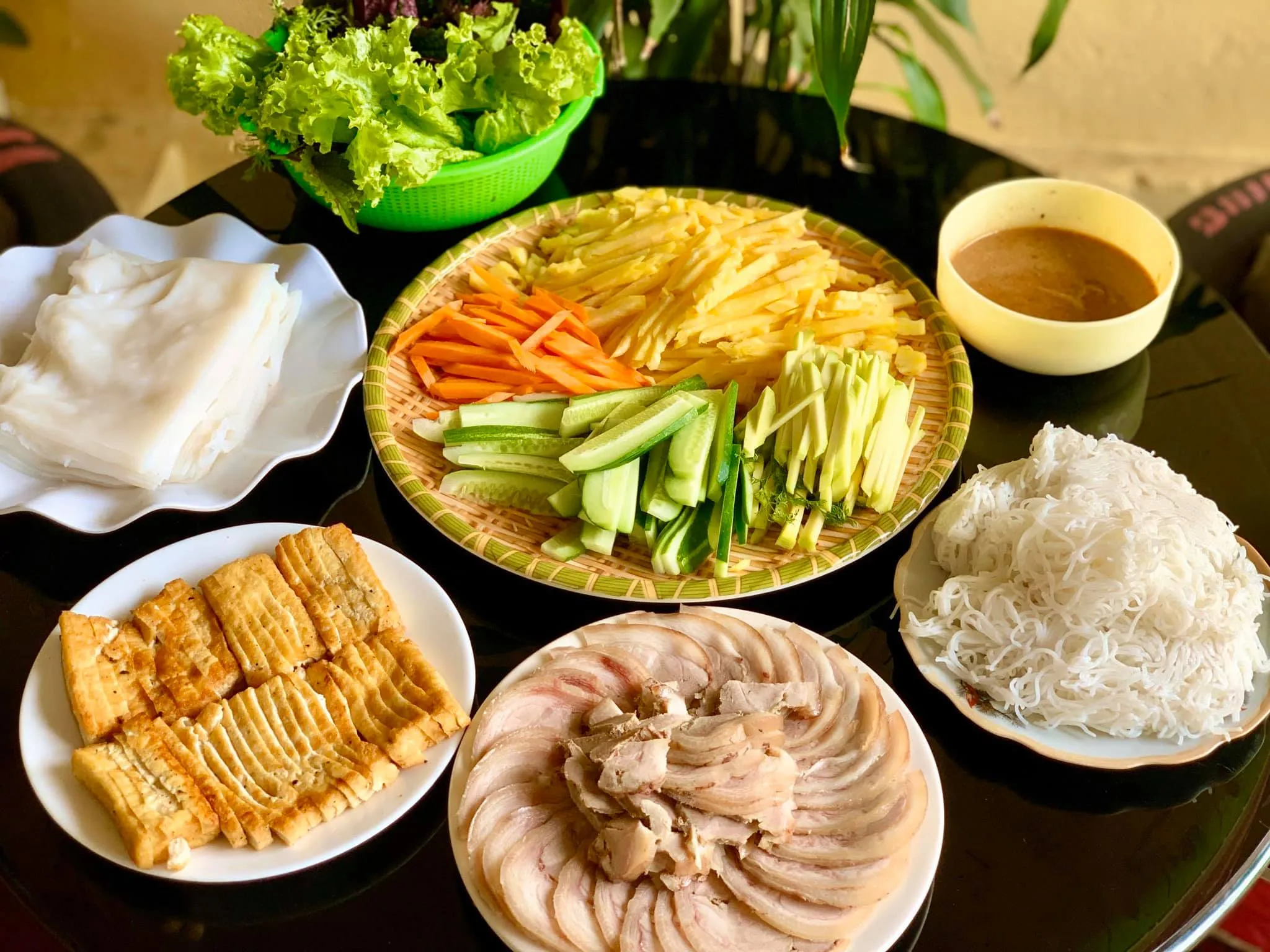
Bánh cuốn are delicate, steamed rice sheets rolled around seasoned pork and mushrooms, served with fried shallots and dipping sauce. Bánh Cuốn Gia Truyền Thanh Vân at 14 Hàng Gà is a 2026 Michelin Bib Gourmand newcomer and a favourite for breakfast or a mid-morning snack[reference:10]. Expect to pay around 40,000–60,000 VND (roughly €1.50–2.20) per plate.
Egg Coffee (Cà Phê Trứng)
No Hanoi street food tour is complete without egg coffee—a Hanoi invention of rich robusta coffee topped with a thick, whipped mixture of egg yolk and condensed milk. Café Giang at 39 Nguyễn Hữu Huân is the widely acknowledged birthplace of the drink, created in 1946[reference:11]. A cup costs about 35,000–50,000 VND (roughly €1.30–1.90)[reference:12]. It is dessert and caffeine in one—a far cry from a grand cup of tea, but every bit as comforting.
Practical Tips for Enjoying a Hanoi Street Food Tour
Getting Around and Staying Comfortable
Wear comfortable shoes and keep your belongings close in busy streets. When crossing, walk steadily and predictably rather than darting between scooters; a local guide can help you get your bearings. Hanoi’s lanes can be lively, so leave a little flexibility in your plans and take your time between stops.
Bring a light layer if you tend to feel chilly in the evening, and keep your phone charged for meeting arrangements. If you’re arranging a Hanoi street food tour as part of a wider trip, leave room in your schedule for travel delays and a breather after arrival.
Planning Your Spend and Tour Details
Cash is king at street stalls—many do not take cards—so carry small Vietnamese dong notes. A Revolut or Wise card can help you avoid your Irish bank’s conversion fees; check your card’s terms before travelling. Confirm what is included in your tour before booking, such as the number of tastings, transport and any drinks, so you can compare options fairly and avoid surprises when you meet your guide.
Group tours are social and budget-friendly, typically starting from around US$16–28 per person (roughly €15–26) for a three-hour walking tour. Private tours offer more flexibility and personal attention, usually ranging from US$33–45 (roughly €30–42). Many tours include a stop at the famous Train Street, where you can watch a train pass inches from the cafes lining the tracks[reference:13].
Want help choosing an option that suits your plans? Send us a message on WhatsApp at +84965251618 and we’ll help you get the details sorted.
Frequently Asked Questions About a Hanoi Street Food Tour
How long should I allow for a street food tour?
Most walking tours last three hours, covering five to seven stops. Private tours can be tailored to be shorter or longer depending on your schedule and appetite. Allow enough time to enjoy the stops without squeezing the experience between other plans.
Can I book a private Hanoi street food tour?
Yes, private options are available depending on your dates and preferences. Contact us with your group size and plans, and we’ll help check what can be arranged. Private tours give you more control over the route, pace and dietary requirements.
What should I wear for an evening tour?
Choose comfortable clothes and shoes that are easy to walk in. A light layer can be useful after sunset, especially between December and February when Hanoi can feel surprisingly cool.
Should I bring cash?
Yes, carrying some Vietnamese dong is essential for small purchases along the way. Cards are more commonly accepted at hotels and larger restaurants, so a mix of payment options is handy.
Is the food safe to eat?
For most travellers, yes. Stick to busy stalls with high turnover, eat food that is hot and cooked to order, and drink bottled water. A guided tour removes the guesswork by taking you to trusted vendors and helping you communicate any allergies[reference:14].
Can dietary requirements be accommodated?
Yes, if you communicate in advance. Vegetarian and vegan options are widely available, including vegan pho, banh mi, spring rolls and rice rolls. Halal food is available around Hàng Lược Street and in the West Lake area. If you have a severe allergy, carry a translated allergy card and let your guide know before the tour starts[reference:15].
Conclusion
A Hanoi street food tour is a lovely way to experience the city at street level, with plenty of flavour and lively scenes along the way. From the early-morning queue at Pho Gia Truyen to the smoky charcoal grills of Bún Chả Hương Liên and the creamy richness of egg coffee at Café Giang, the city’s essential dishes are within reach—and they will feel surprisingly familiar to anyone who loves a good chipper, a summer BBQ or a decent hot deli roll.
Plan a little, stay curious and leave room for an unexpected favourite. For help fitting a food experience into your Vietnam plans, explore our Hanoi street food tour page and tell us what kind of evening you have in mind.
To talk through your plans, reach us on WhatsApp at +84965251618 or +84989248646, or email [email protected], [email protected] or [email protected].
Ready to plan your Vietnam trip?
Our specialists are available 7 days a week. Share your travel dates and we will design your itinerary within 24 hours.
WhatsApp: +84965251618 / +84989248646
Email: [email protected] / [email protected] / [email protected]
Interested in this tour?
Contact us now for pricing and availability. We reply within 1 hour!
WhatsApp Us NowRelated Tours
Hanoi Craft Beer Adventure Tour – Explore Vietnam
Experience the Hanoi Craft Beer Adventure For Irish travellers seeking a unique experience, our Hanoi craft beer adventure is a delightful way to uncover the vibrant brewing culture of Vietnam. This immersive tour not only quenches your thirst but also offers a deep dive into the history and artistry behind craft beer in the heart […]
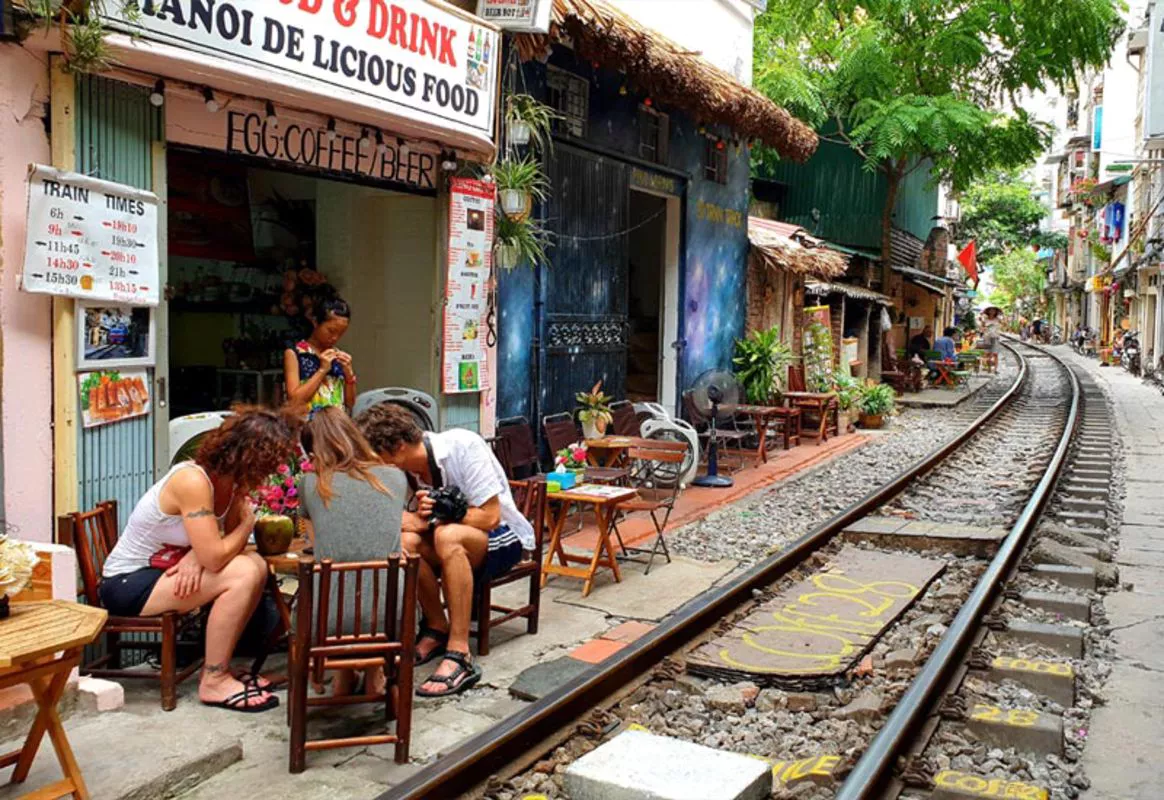
Experience Fish Trap Making in Hanoi
Discover the Art of Fish Trap Making in Hanoi Embark on a captivating journey through time with our fish trap making tour in Hanoi, perfect for adventurous travellers from Ireland. This unique experience not only showcases the vanishing craft of bamboo weaving but also immerses you in the rich cultural tapestry of Vietnam’s heritage. As […]

Ninh Binh Private Tour: Discover Vietnam’s Nature
Explore Ninh Binh: Private Tour from Hanoi For Irish travellers seeking a blend of stunning landscapes and rich culture, our Ninh Binh private tour is the perfect escape from Hanoi. This adventure offers a captivating glimpse into the heart of Vietnam, showcasing its natural beauty and the vibrant lives of the local farmers. Discover what […]
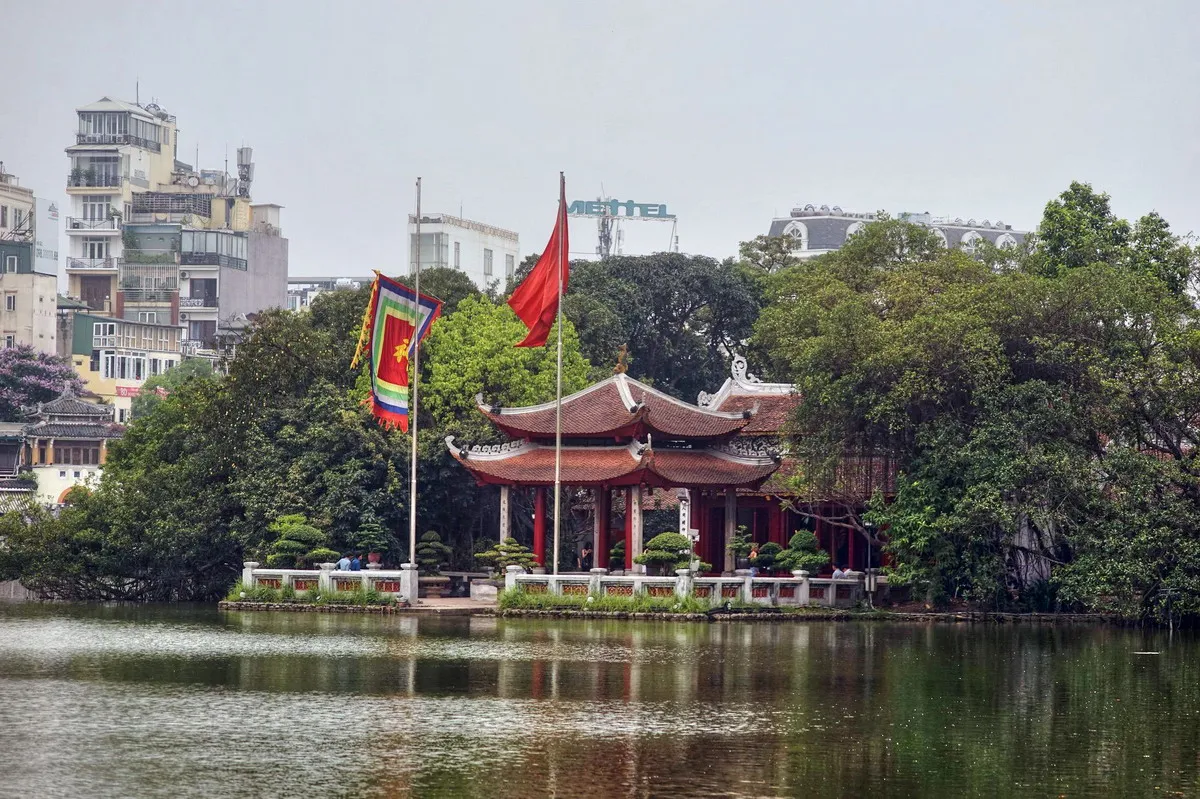
Explore Hanoi on a Scenic Motorbike Tour
Discover Hanoi on a Memorable Motorbike Tour For travellers from Ireland seeking an unforgettable adventure, our Hanoi motorbike tour offers a captivating glimpse into the heart of Vietnam’s ancient capital. Over four hours, you’ll not only capture stunning photographs but also immerse yourself in the rich tapestry of local culture and history. This experience is […]
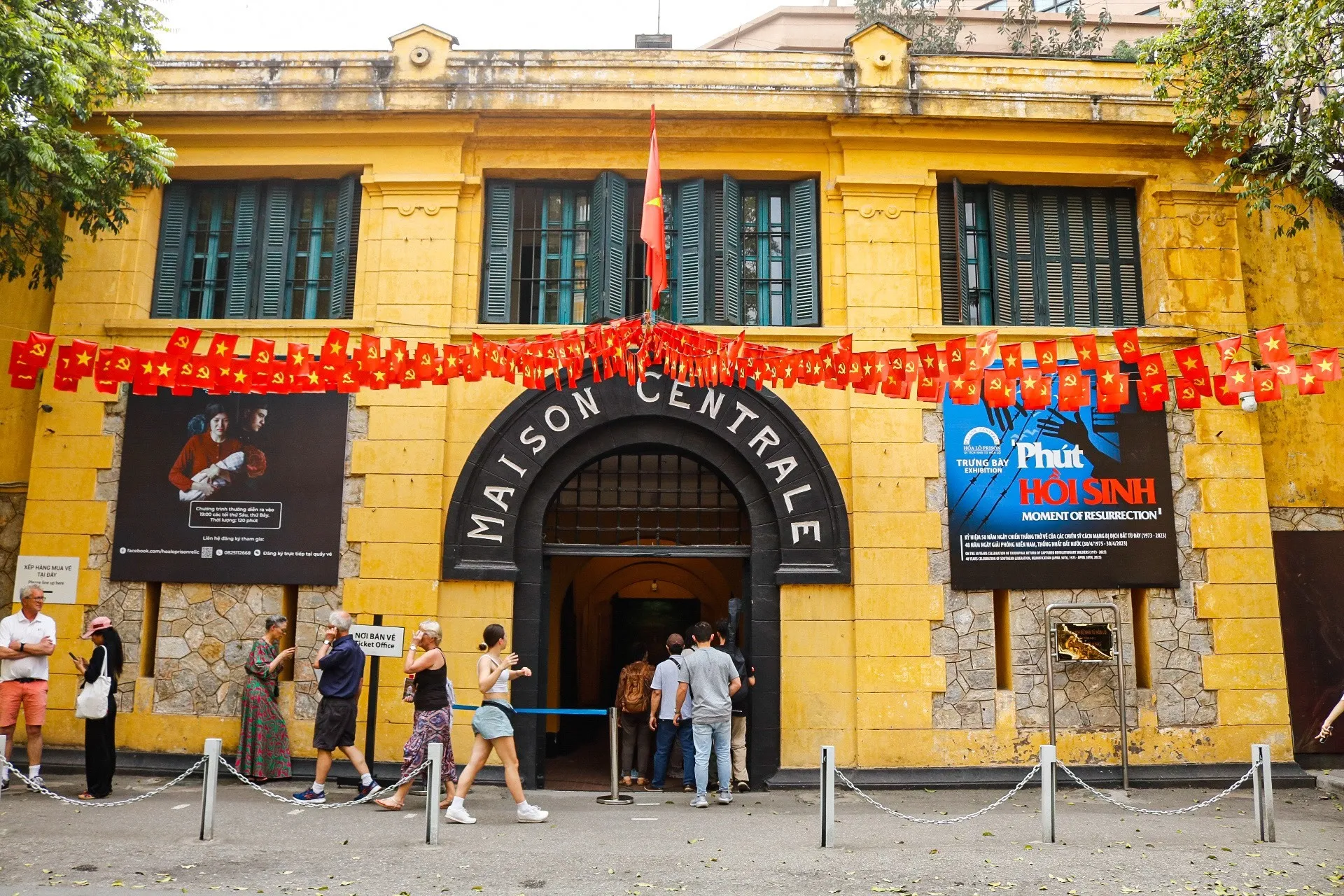
Discover Hanoi: Cycling Tour of City Highlights
Explore Hanoi on a Cycling Tour For Irish travellers seeking adventure and culture, our Hanoi City Cycling Tour is a perfect way to explore the vibrant soul of Vietnam’s capital. Over 4.5 hours, you’ll discover both the iconic sights and the hidden gems that make Hanoi so special. Cycling through the bustling streets allows you […]
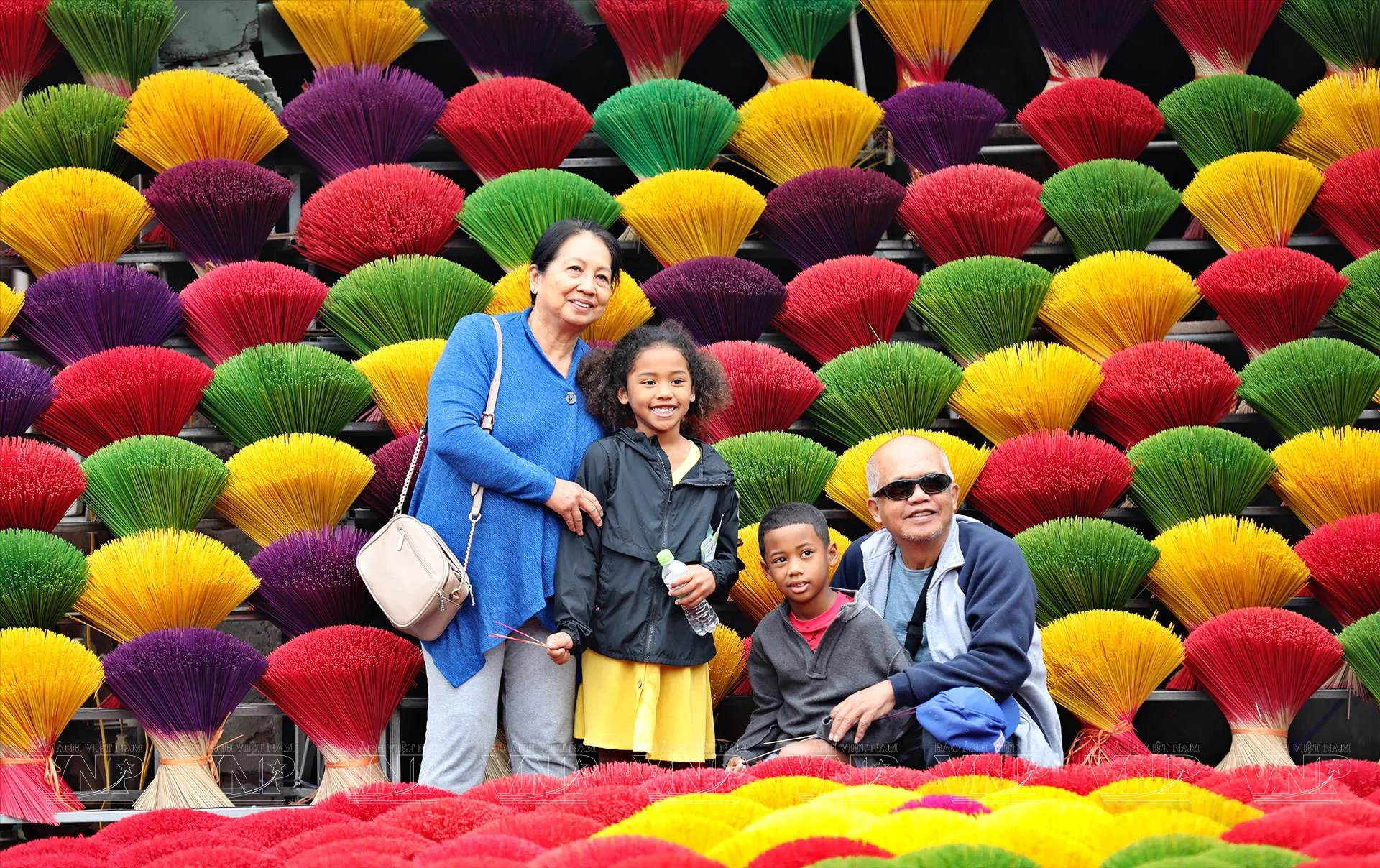
Unforgettable Hanoi Boat Tour Experience
Experience the Magic of a Hanoi Boat Tour Embarking on a Hanoi boat tour is a journey into a world of stunning landscapes and rich culture, perfect for Irish travellers seeking adventure. Imagine gliding through the emerald waters of Lan Ha Bay, surrounded by towering limestone cliffs and vibrant greenery, all while enjoying the comfort […]